 Overall Experience
Quality
Price
Convenience
Overall Experience
Quality
Price
Convenience

Installed temp thermostat, tested system for proper operation. Looked into registers. Should work, will follow up with Jeremy.

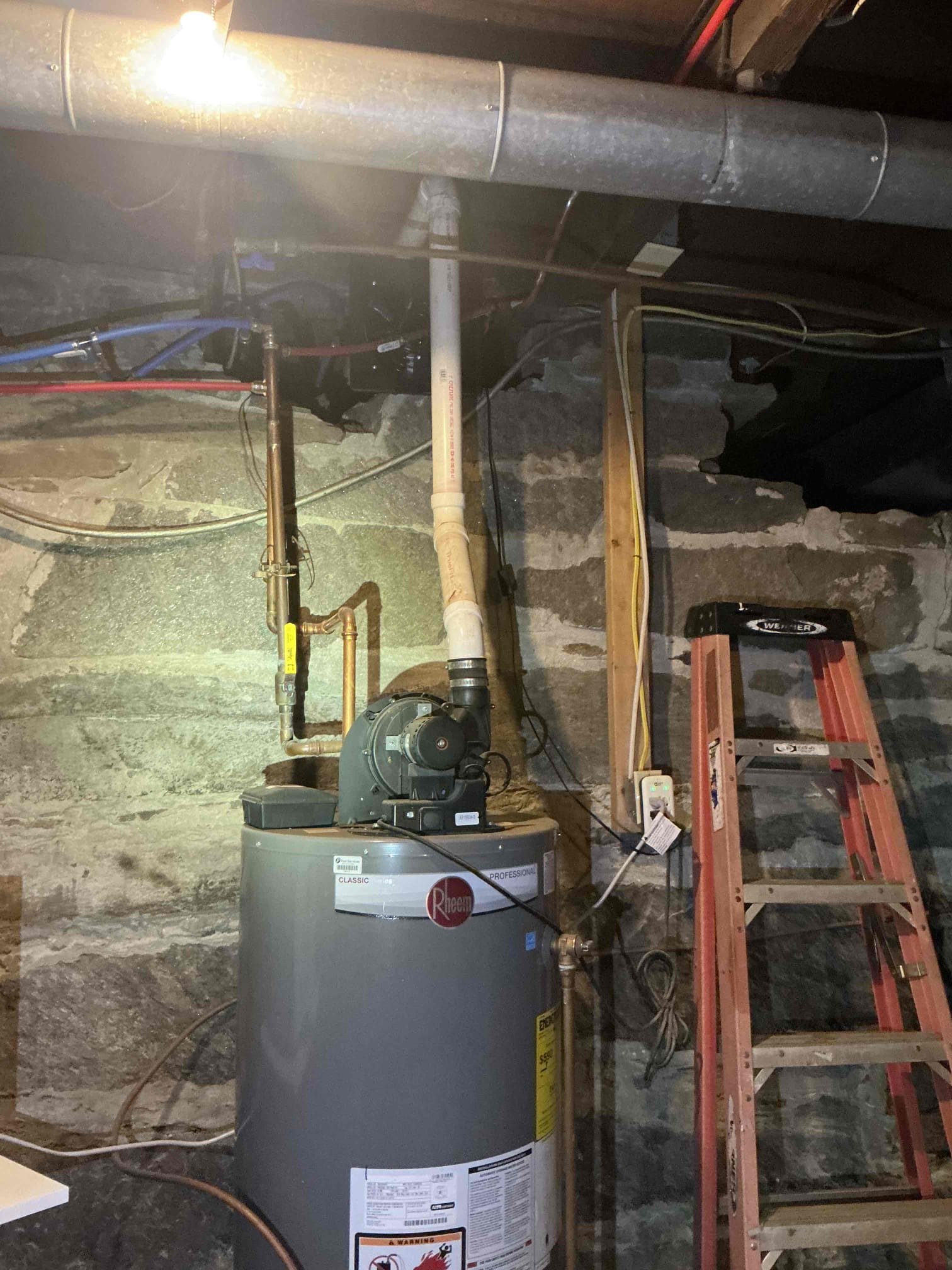
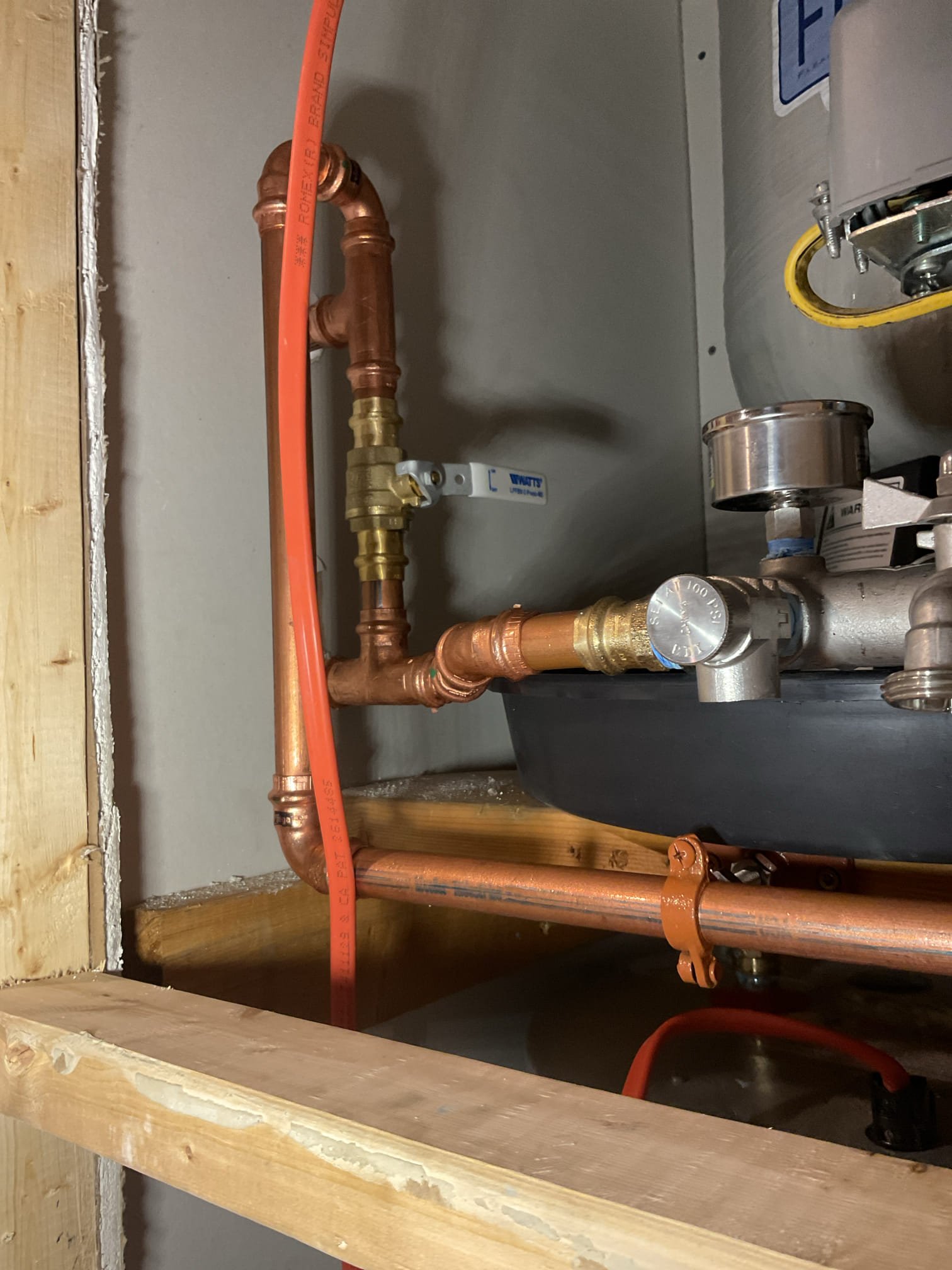
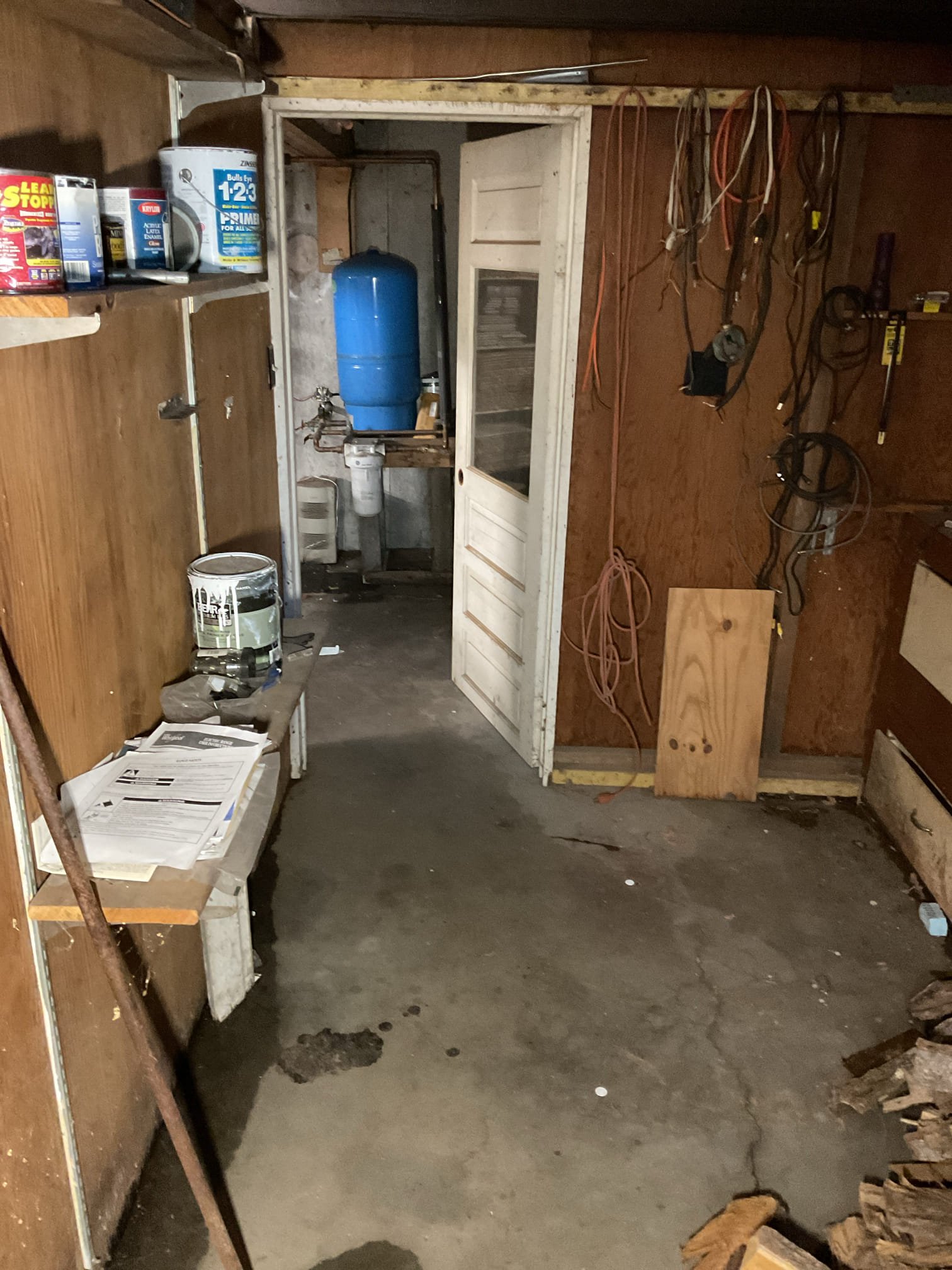
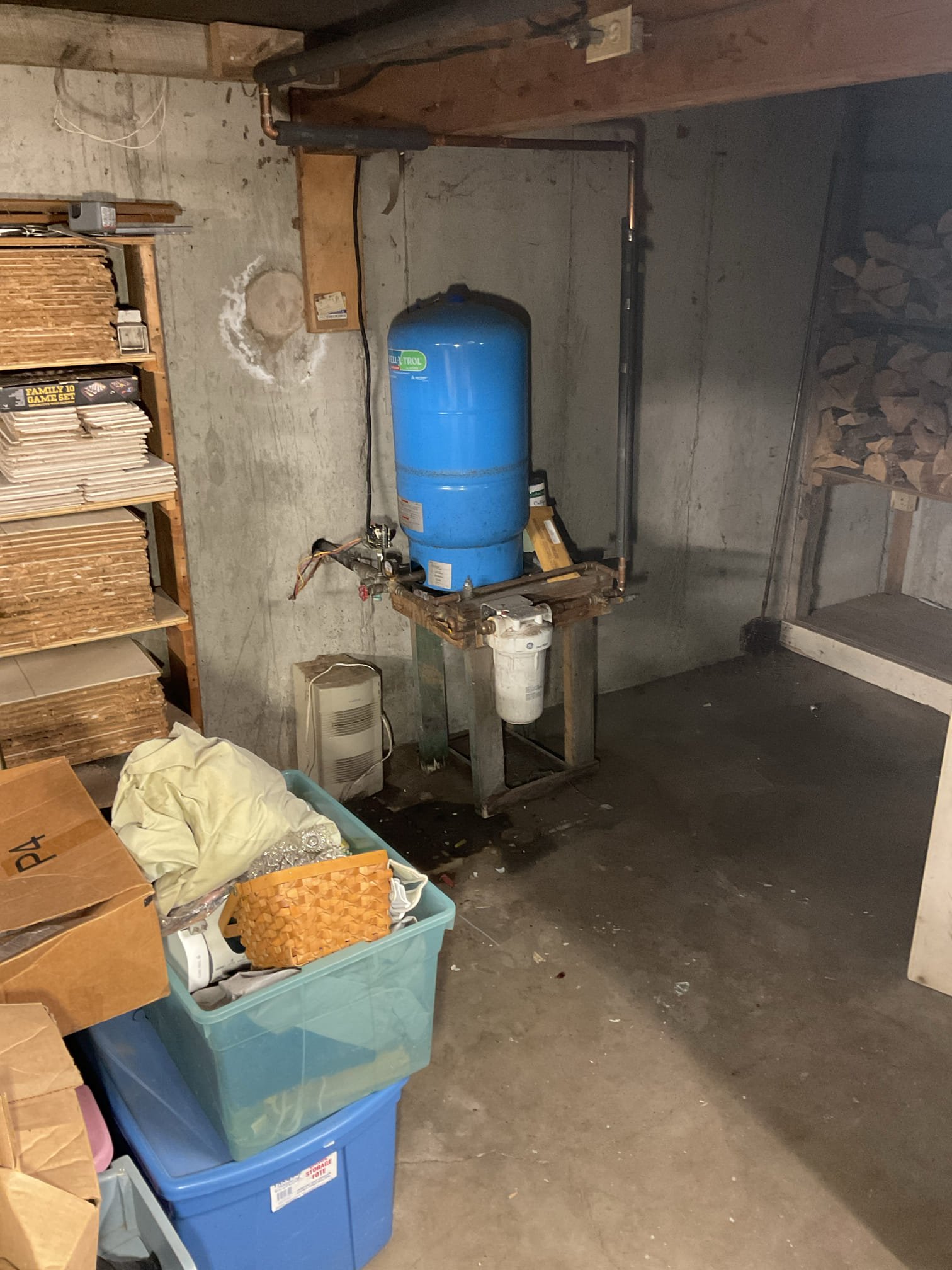
We found that the water system was not properly configured, with the pressure tank not serving as the starting point of the system and portions of the water heater piping not meeting current code requirements. We recommended redirecting the water lines to properly position the pressure tank and reworking the water heater piping to meet code, improving overall system reliability, efficiency, and safety. The existing PEX piping to the pressure tank and water heater was cut out and removed. A new sediment filter housing with a three-valve bypass was mounted to the left of the mechanical space to allow filtration and easy isolation for maintenance. The filter housing was secured to the ship-lath siding, a boiler drain was installed on the outlet to relieve pressure during cartridge changes. The homeowner was instructed on proper cartridge replacement procedures. New piping was installed from the existing poly water line below the residence up through the floor to the pressure tank inlet.

Homeowner requested installation of a new kitchen sink and faucet that she had purchased. Upon evaluation, we determined the existing drainage required updates to meet current code requirements and ensure safe, reliable performance; once the work was approved, we removed the existing sink, faucet, and drain piping, cleaned and prepared the installation surface, installed the new sink with proper waterproof sealing, and re-piped the drainage system. After completion, the work area was cleaned and all connections were tested, confirming proper operation with no leaks observed at this time. We diagnosed a leaking lavatory faucet and identified worn hot and cold cartridges as the cause. Replacement cartridges have been ordered, and we will return at a later date to install them and restore reliable, leak-free operation.
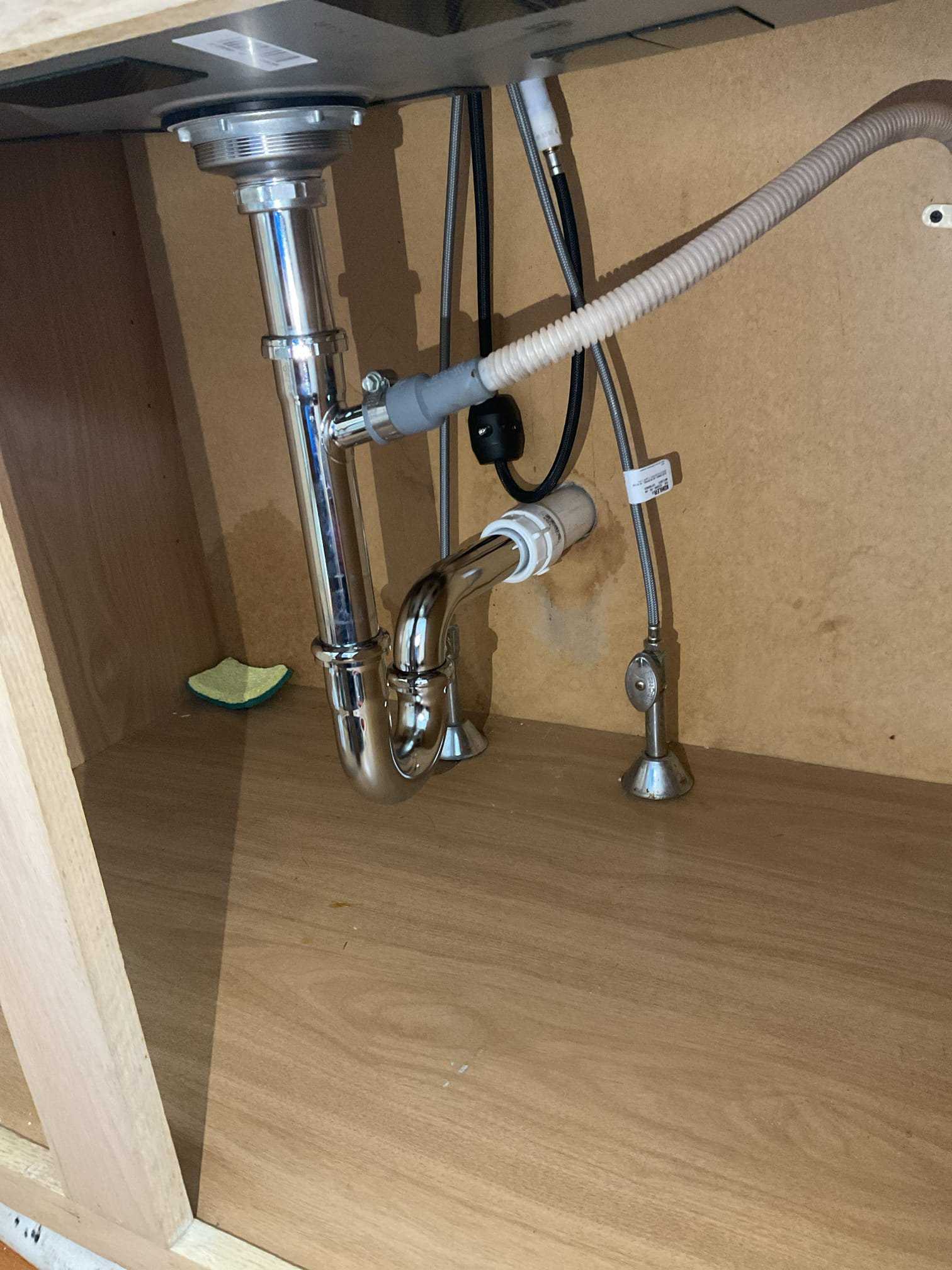
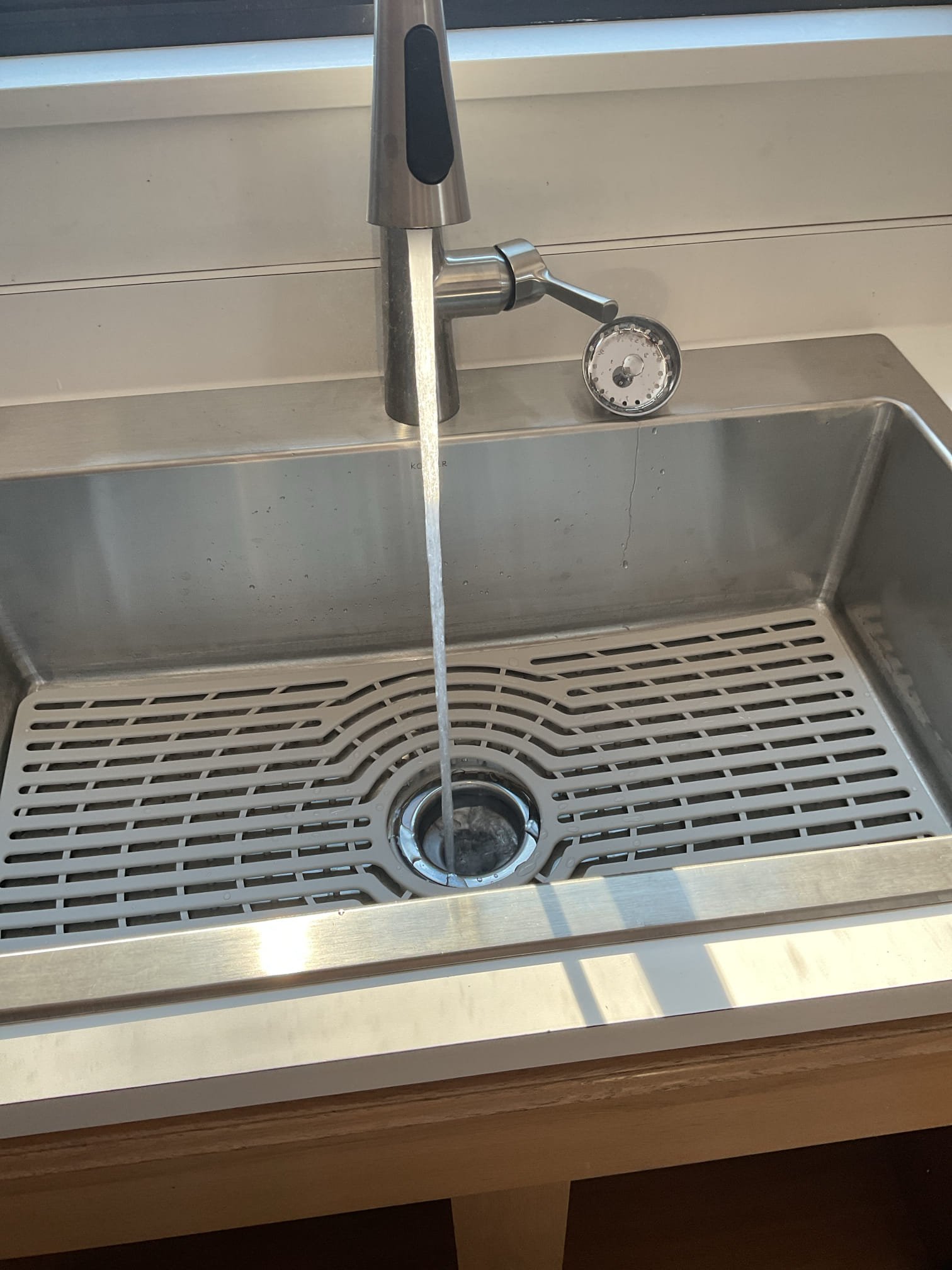

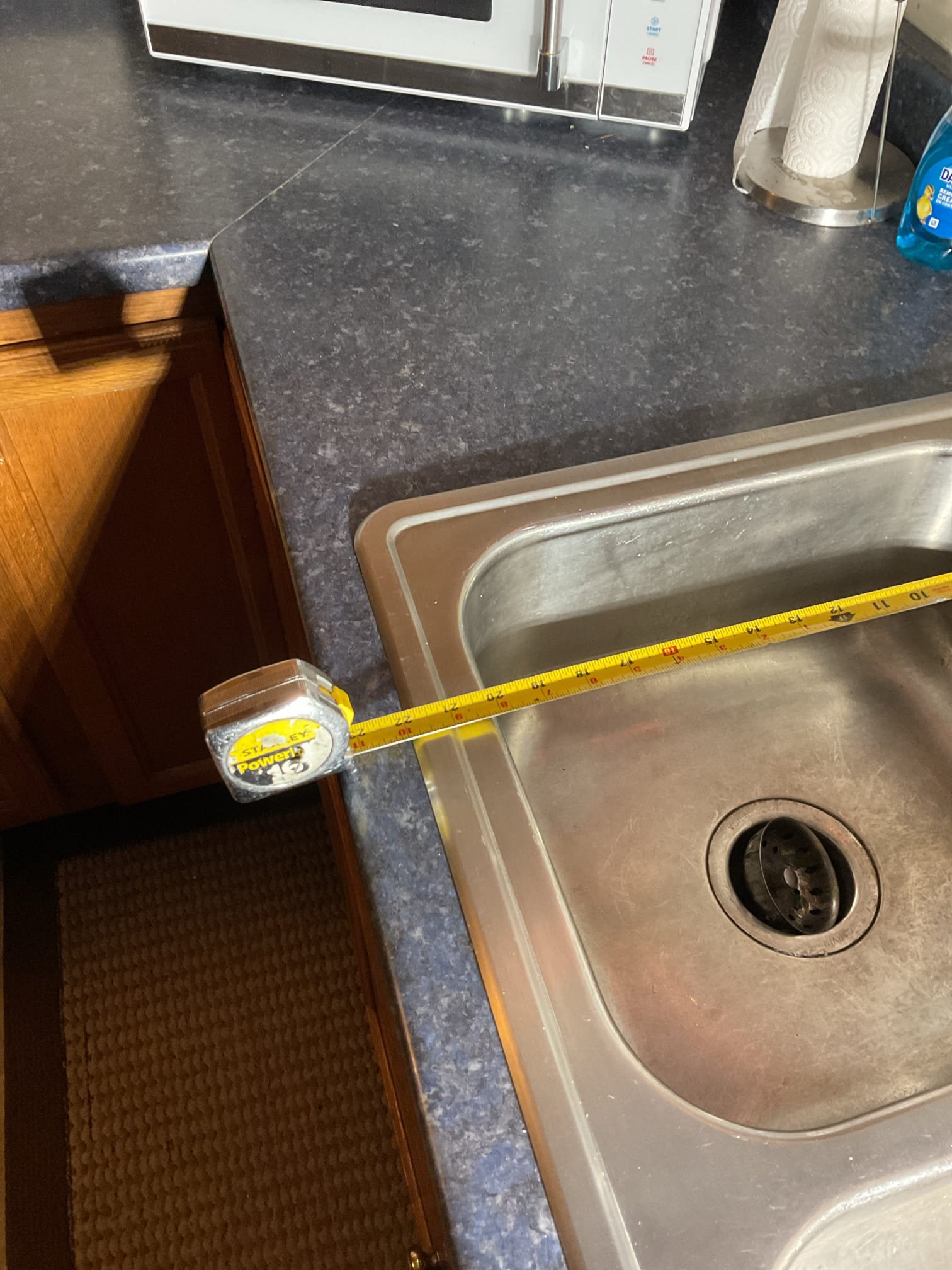
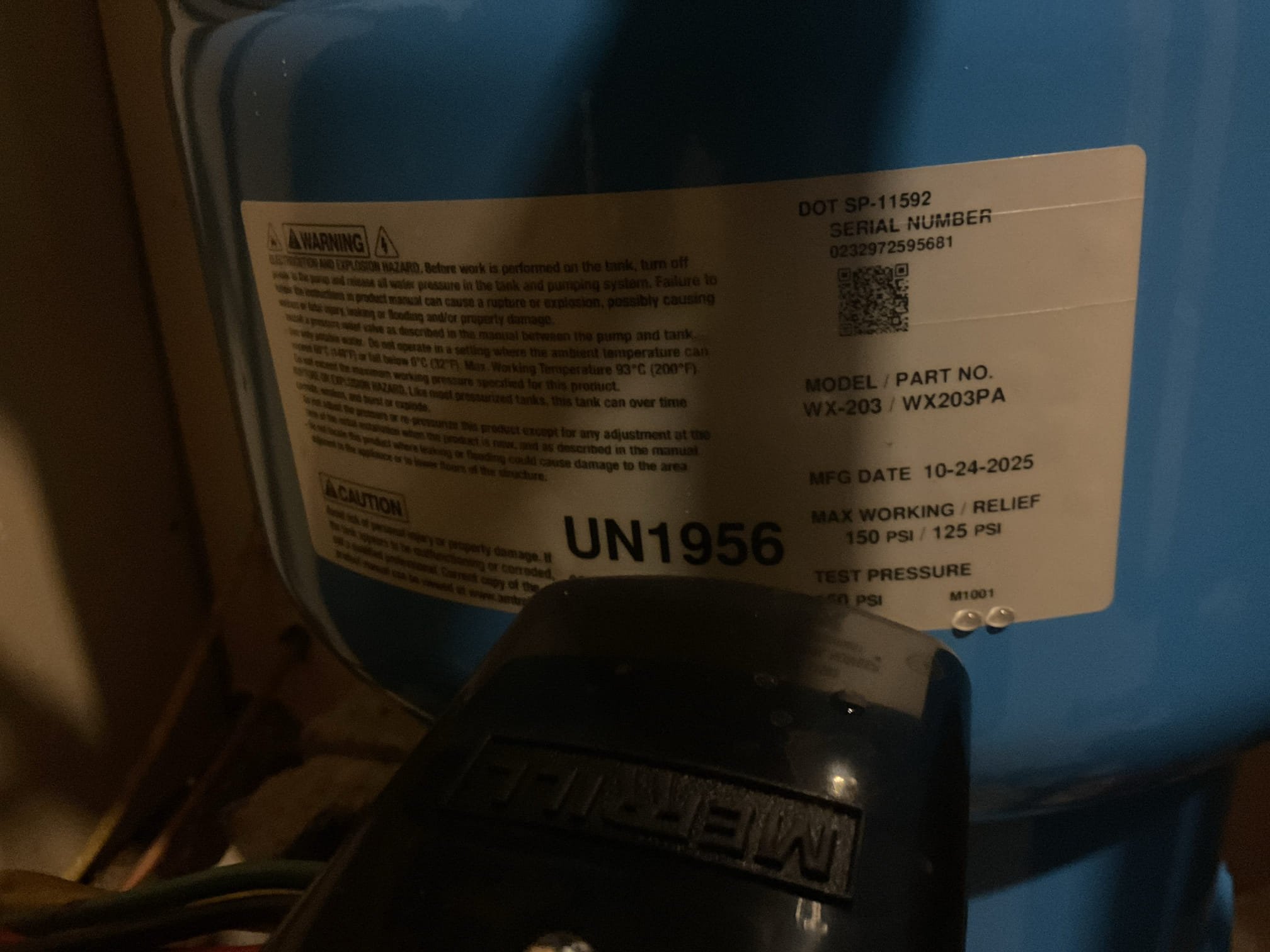
Upon arrival customer had two leaking faucets. The first being in the kitchen will be replaced at a later date along with the sink. The other being a lav sink which was extremely corroded and only partially functional. Customer also had a filter they wanted replaced. Upon inspection of the filter and the plumbing around it I saw that the pressure tank was showing early signs of bladder failure and was extremely rusted at the 90. I removed the pressure tank by cutting out the filter housing and removing the plumbing attached to it so I could safely move the old pressure tank. I then proceeded to install the new 32 gallon well-xtroll pressure tank, tank tee, 30/50 pressure switch, check valve, ball valve, and boiler drain to give the building greater serviceability. I then plumbed the filter back in and replaced the filter cartridge with a customer supplied one. Filter had previously been damaged and should be replaced. I then removed the corroded lav faucet, cleaned the surface, ins

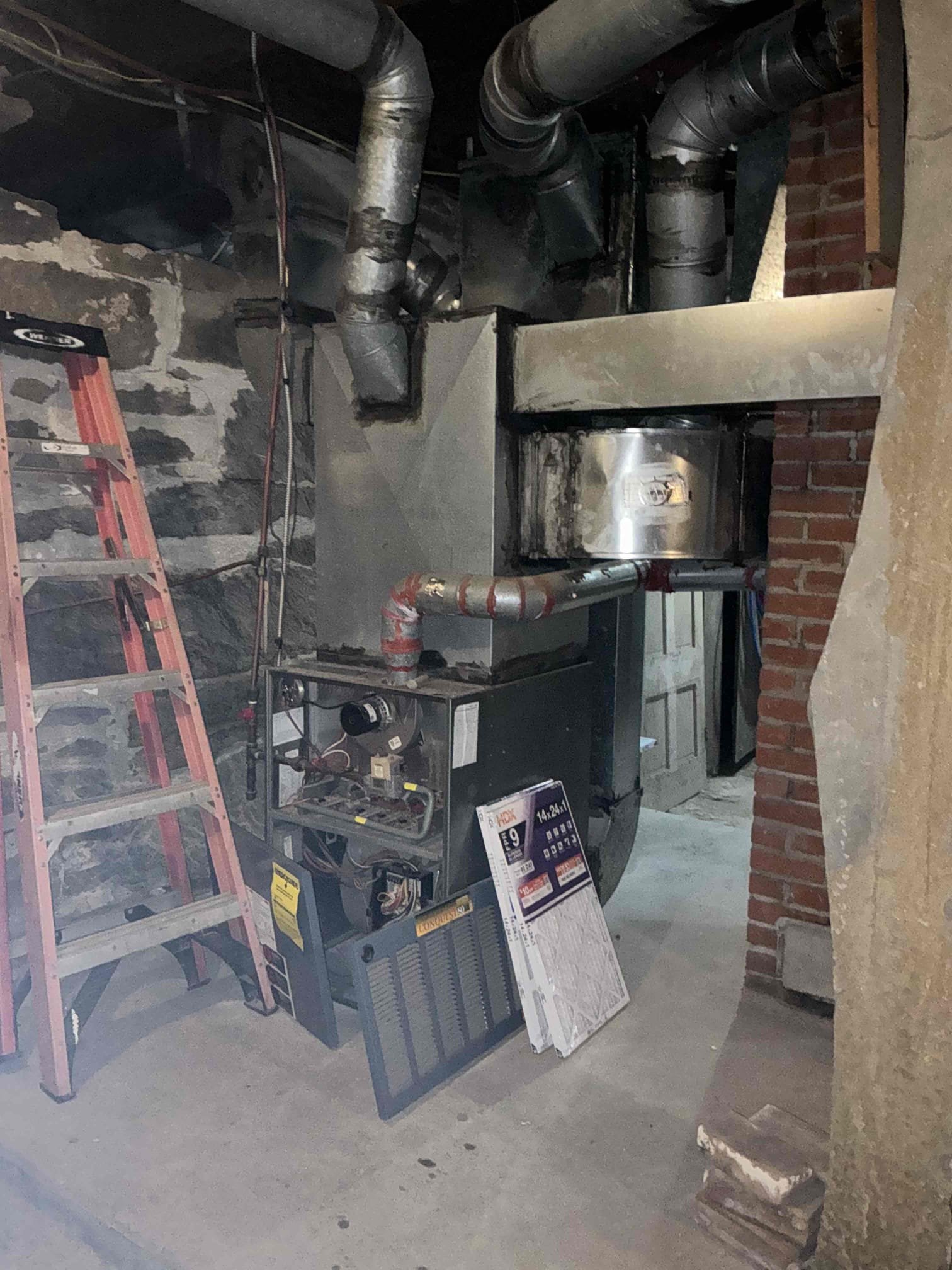
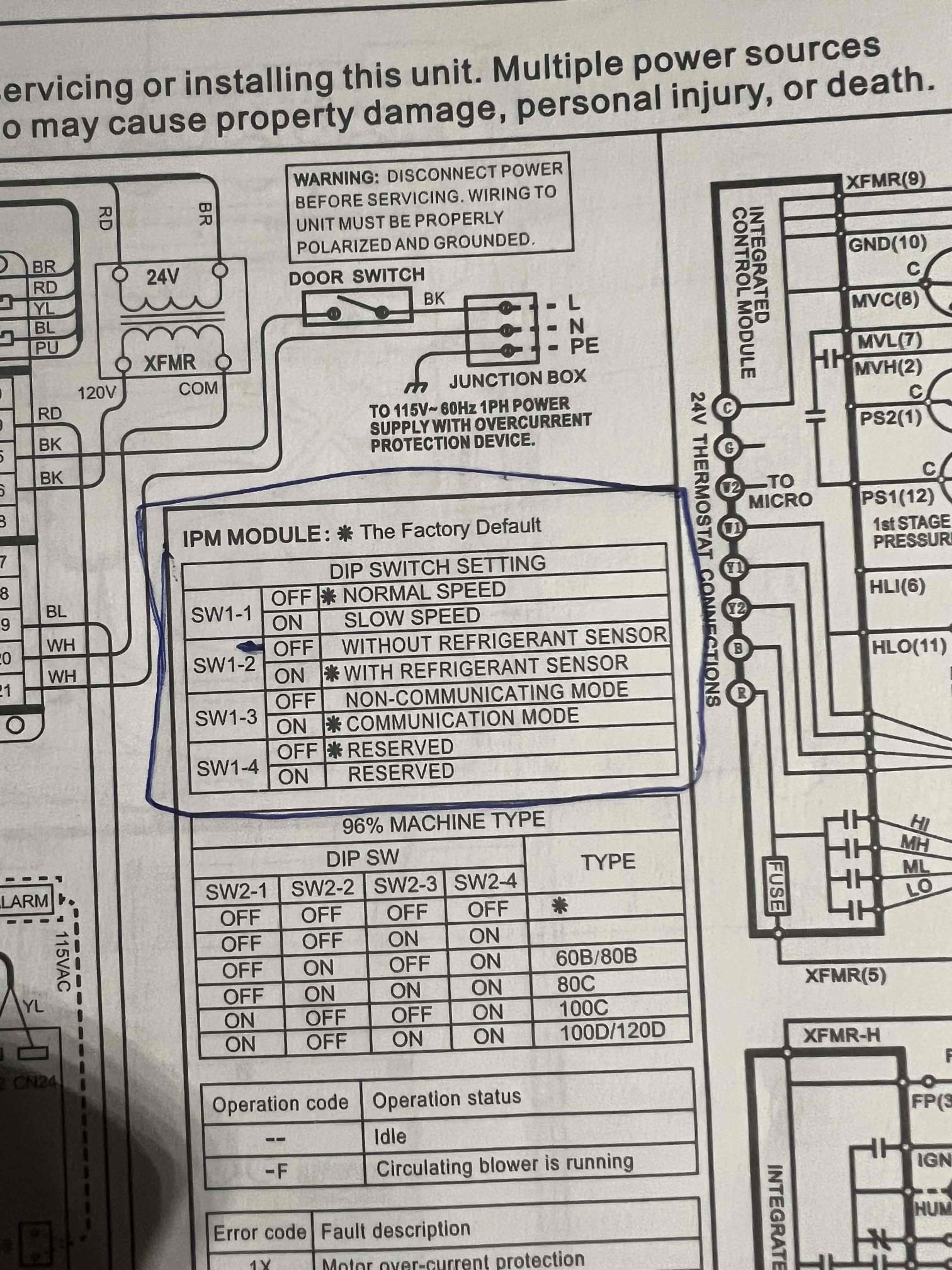
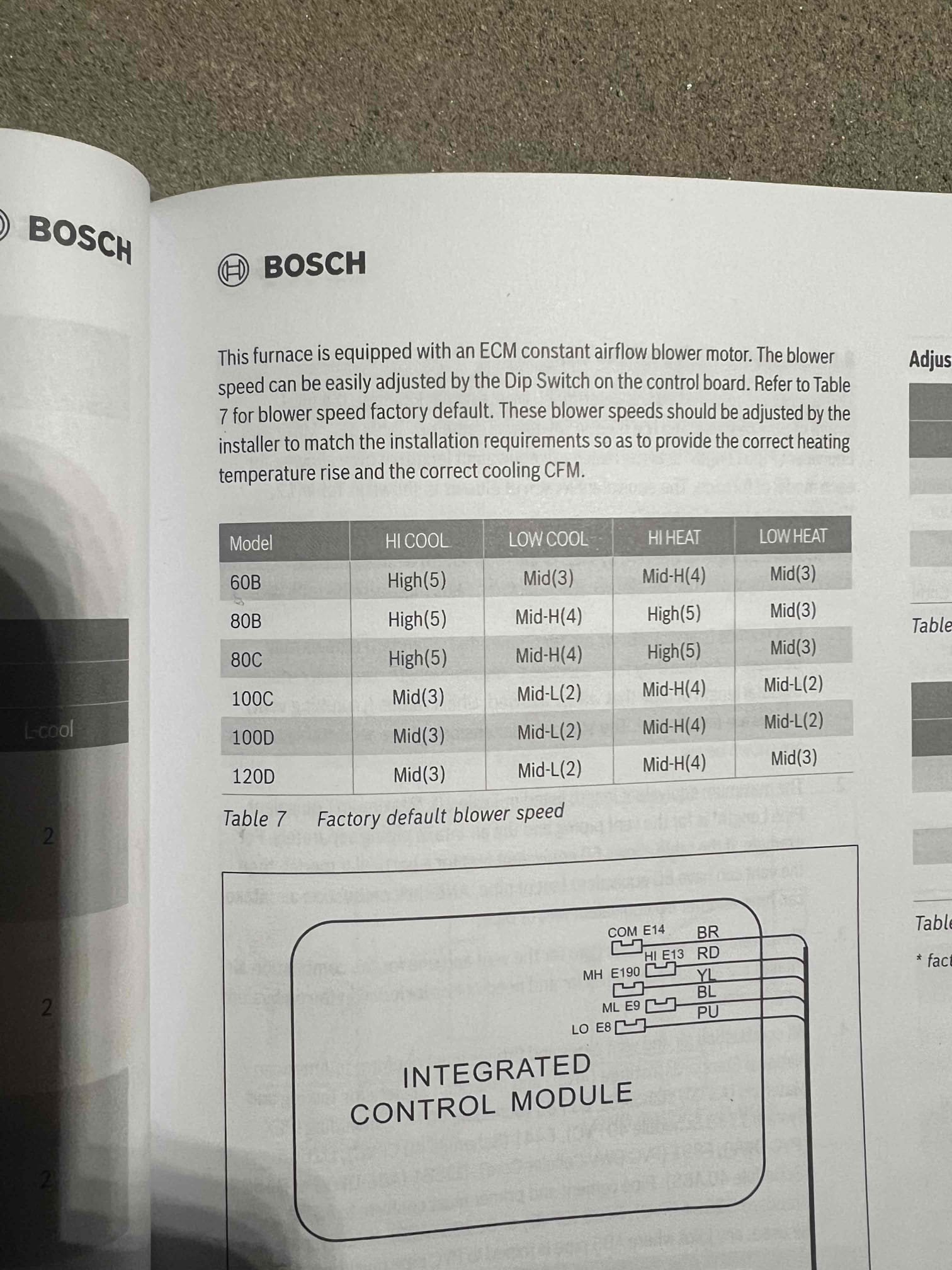
Arrived onsite to investigate a blower fan running continuously on a Bosch propane furnace that we installed yesterday. We contacted technical support, who explained that because this is a heat-only furnace, a dip switch needed to be changed to disable the refrigerant sensor function so the control board would allow the blower to shut off properly. We adjusted the dip switch accordingly and installed a new air filter as part of the installation. Verified proper operation; the system is working correctly at this time.
Arrived onsite to investigate a noise believed to be coming from the heating system. The customer reported hearing a loud bang in the middle of the night on a few occasions, though it has not occurred recently. We operated all three heating zones and the domestic hot water zone and were unable to reproduce the noise. We did notice air in the heating zones, so we purged the system and removed trapped air. We verified that the automatic water feeder and air eliminator are operating properly. An estimate was emailed to replace a noisy circulator. The customer was advised to contact us if the noise occurs again. Verified operation; the system is working properly at this time.
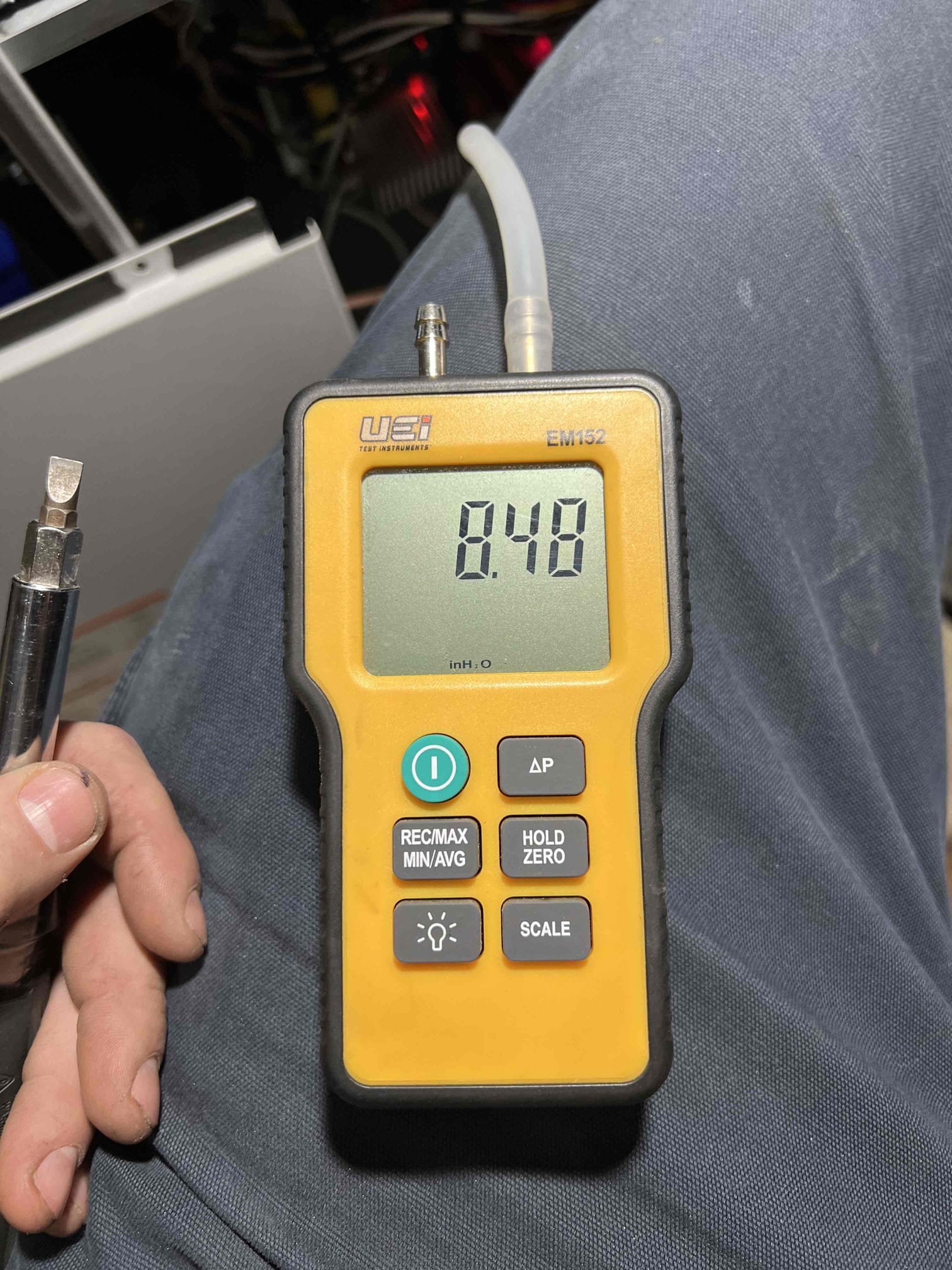
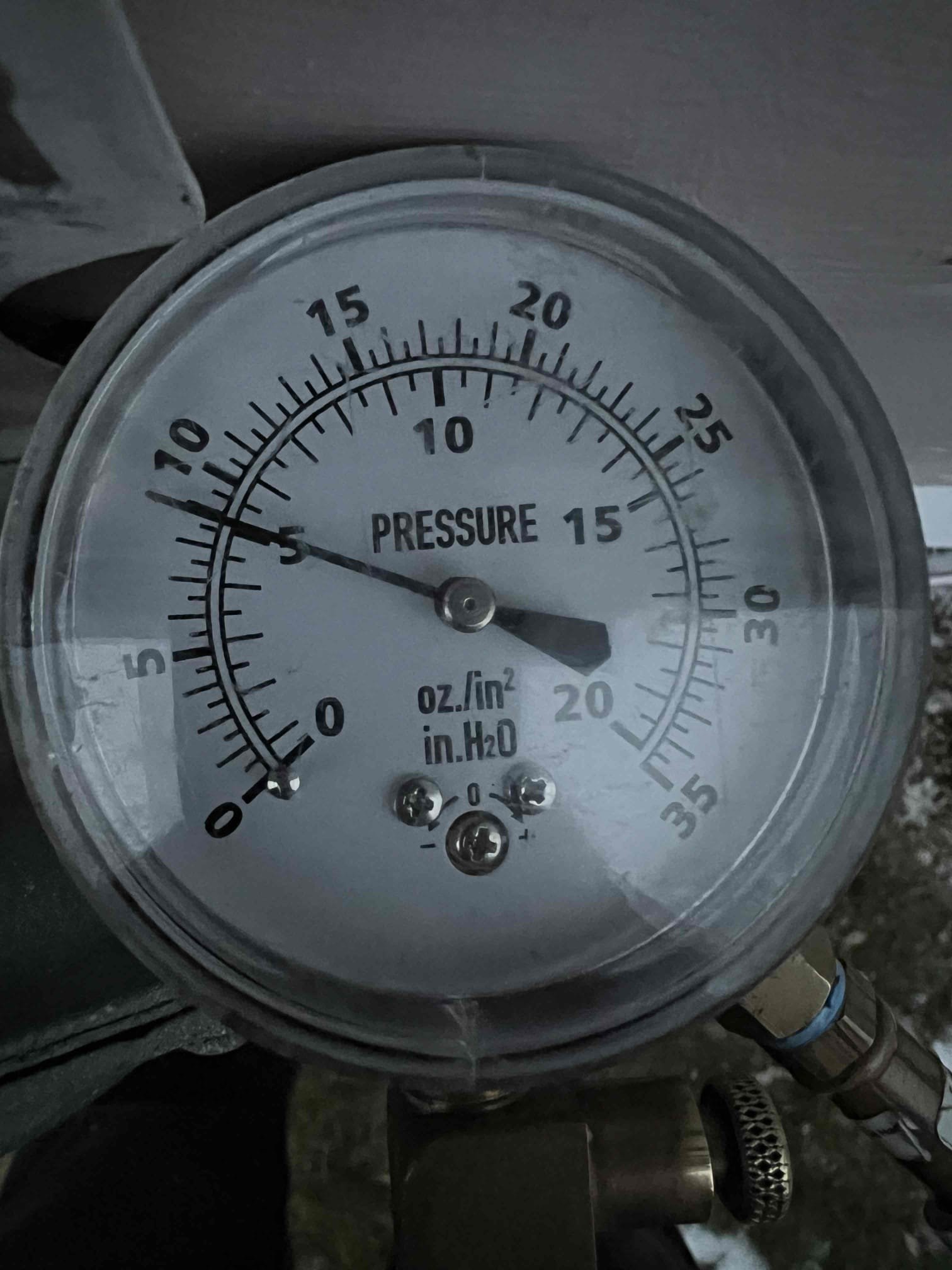
Installed a new Bosch propane furnace and connected it to the existing ductwork. Installed new 2” PVC venting to the exterior. Reworked the gas line to the furnace using 5/8” copper tubing. Performed a leak check at 8.5 in. w.c. for 3 minutes with no leaks detected. Set high- and low-fire manifold pressures to factory specifications. Checked carbon monoxide levels with no leaks present. Verified proper operation; the system is working correctly at this time. We need to return and install a 20x20x1 air filter.

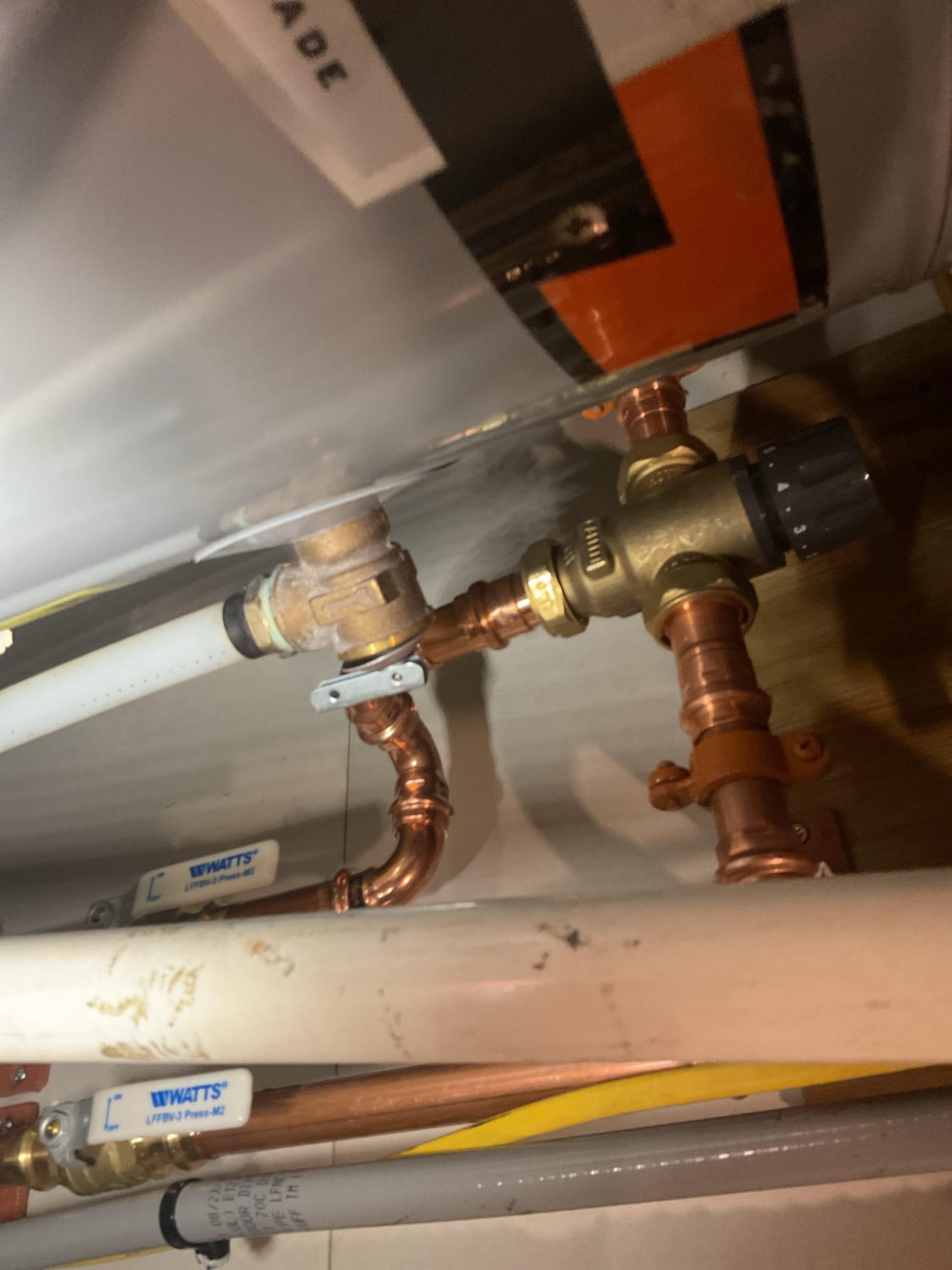
Due to the home having no water, we pulled the well pump to diagnose the issue and found the existing pump had failed. The pump was removed and replaced with a new 3/4 HP, 2-wire well pump. After installation, the system was reassembled, the well was returned to service, and water was restored to the home and confirmed to be operating properly. Once water was turned back on, a broken section of 1/2” water line exiting the house was discovered leaking; this damaged piping was repaired to stop the leak and restore proper flow. Customer is now apart of Jerms Home Care Club, and the entire system was tested to ensure proper operation and no further leaks. Pressure tank whole house filter and mixing valve will be rescheduled for a different date to install
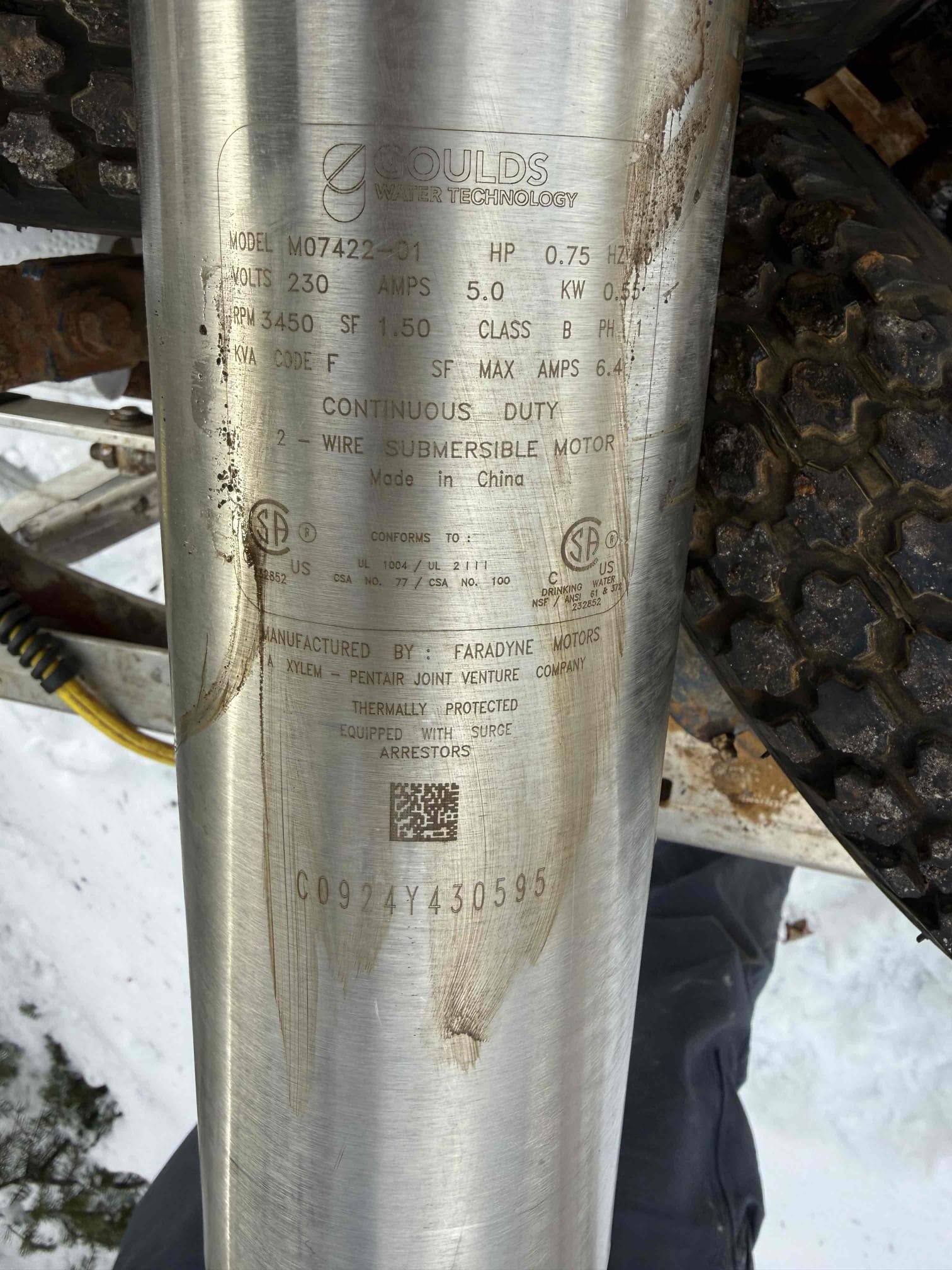
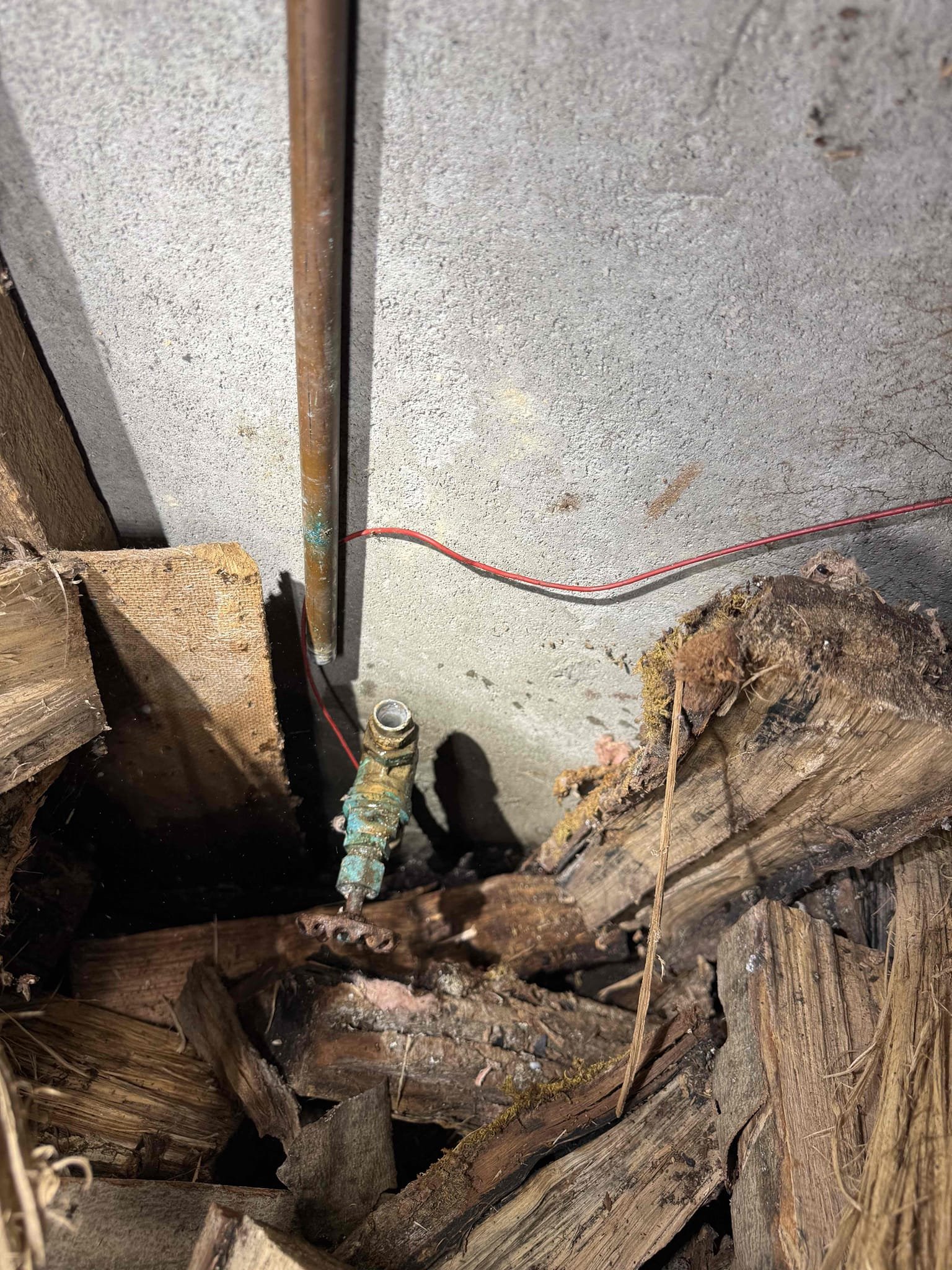
For this service call, we responded to a no-water condition and performed a diagnostic of the well system. During testing, we found that the breaker would trip immediately when the well pump was connected, but it did not trip when the pump was disconnected. This testing confirmed that the well pump has failed and is causing the breaker to trip. Based on these findings, the well pump will need to be replaced to restore proper water supply and system operation. We are scheduled to return on 1/9/26 to replace the failed well pump and restore full water service to the home.

Arrived on site to perform a tune up on propane furnace. Upon first inspection, we found that the igniter and burner tubes needed to be replaced. After providing estimates for both parts, we continued on with the tune up. When we were testing the system we found evidence that the heat exchanger is cracked. We performed a lighter test at the burners and found the flame was sucked right into the heat exchanger which leads me to believe there is a hole or crack somewhere allowing the blower fan to suck combustion gases through and into the ductwork. Unfortunately we had to disable the furnace. We took measurements of the ductwork and pictures of the general area so we can properly provide an estimate to replace the furnace. Thank you for your patience.
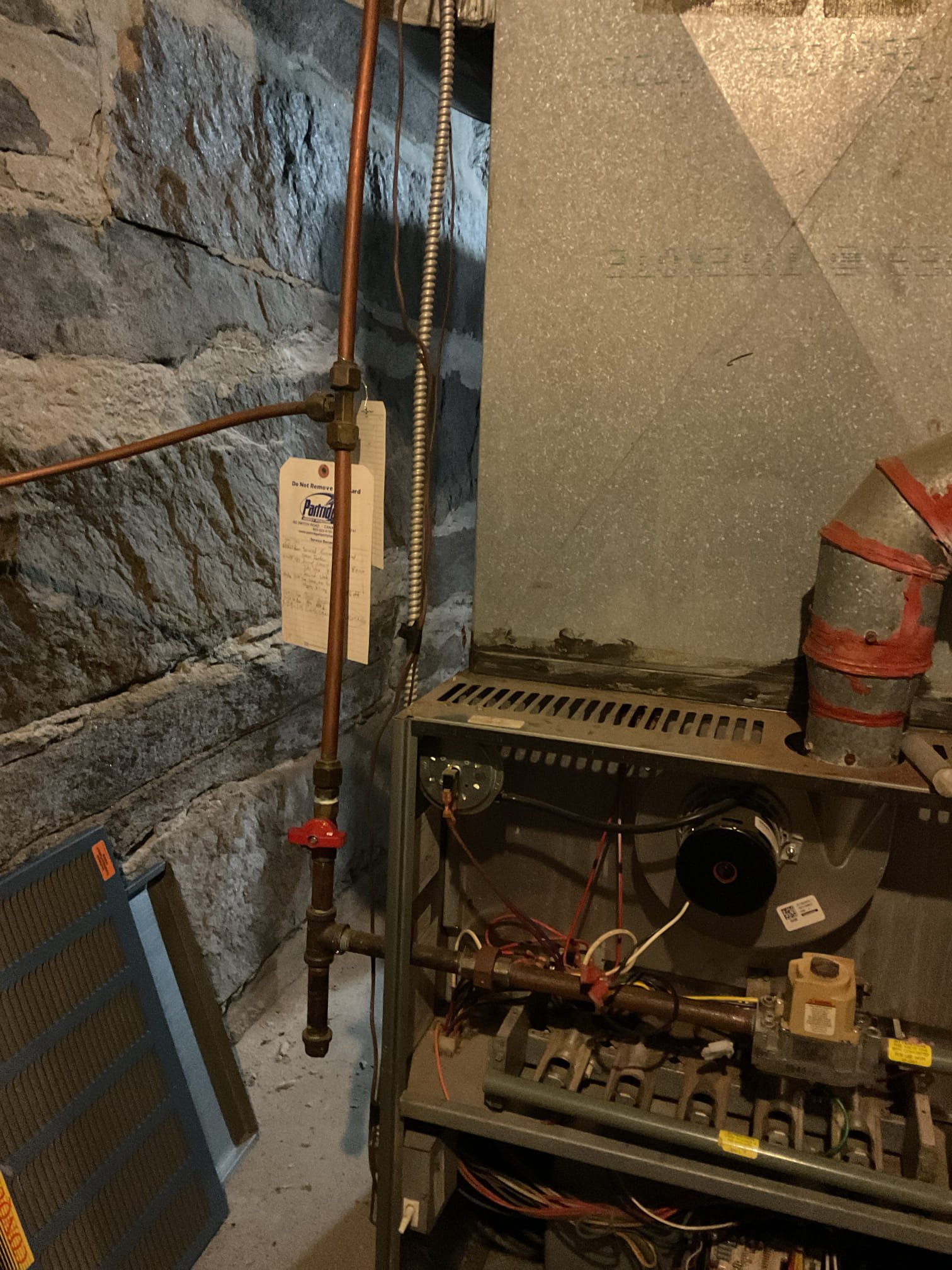
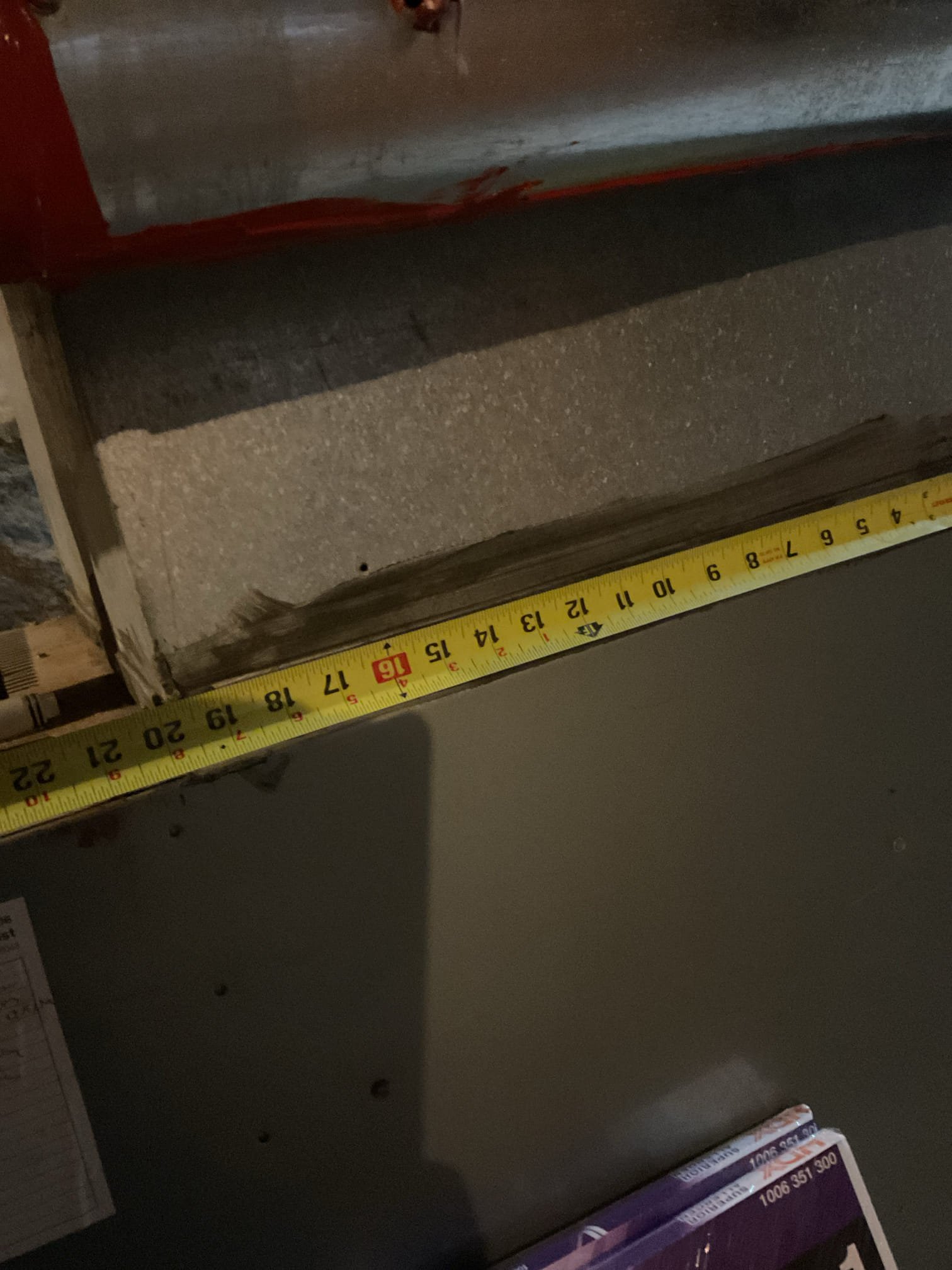
Arrived on site to replace customer supplied thermostats. We removed each of the old thermostats and mounted the new ones to the walls. We then wired them. Tested operation by turning them on and off. Zones called when thermostats were turned on. System is operating properly.
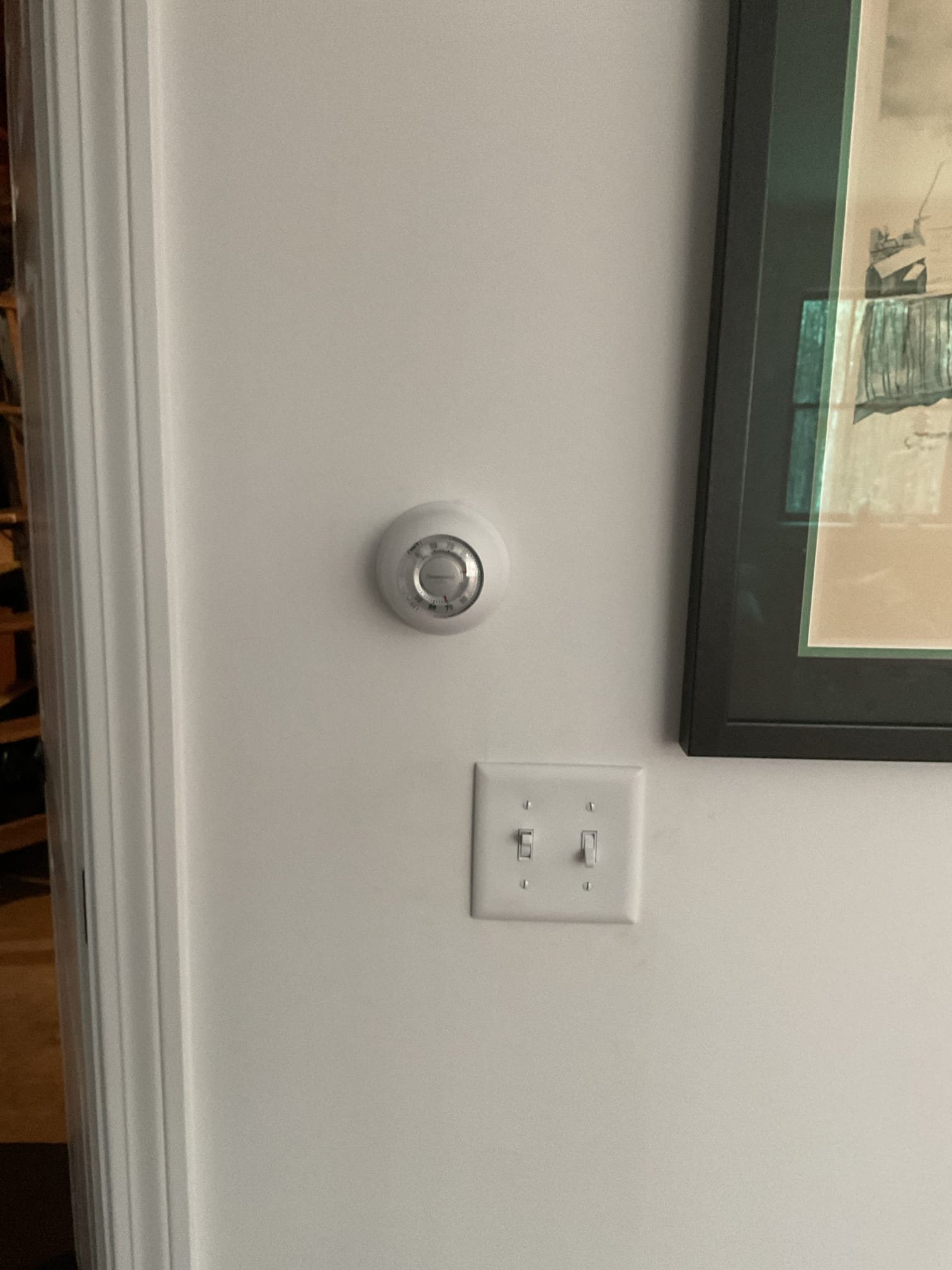
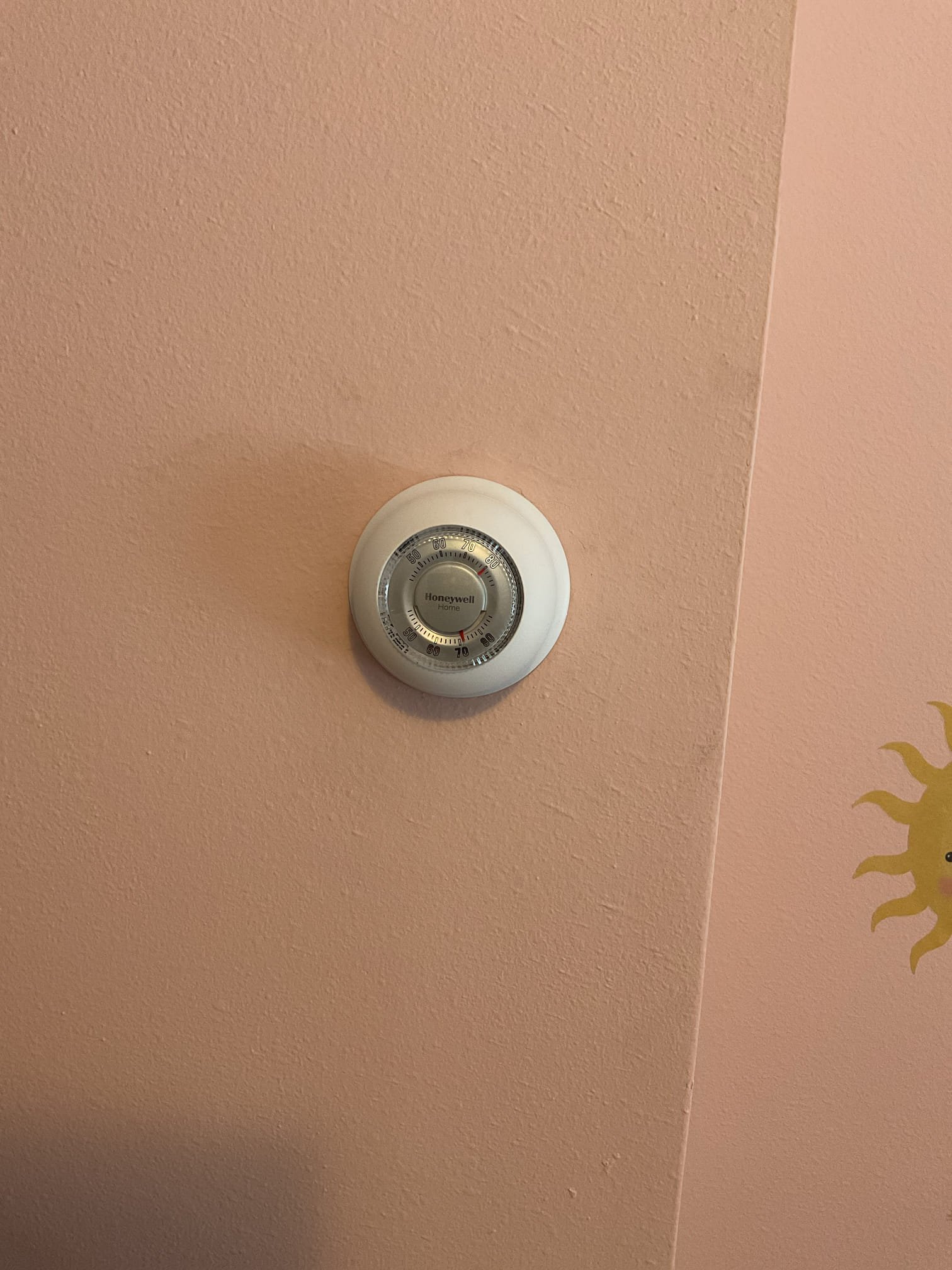
During this visit, the homeowner expressed concerns regarding increased sediment and water hammer since the previous visit on 1/2. Upon inspection, the washing machine inlet screens were found to be heavily clogged with both larger sediment particles as well as fine silt and iron. We discussed that this condition is likely related to the prior system issue involving the absence of a check valve and stagnant water within the system. The homeowner also reported that the washing machine was displaying error codes each time the well pump cycled. After attempting to recreate the reported water hammer, we confirmed that the banging noise occurs at pump startup when the pressure tank cycles. This is likely caused by a vacuum forming in the well line ahead of the newly installed check valve; when the pump starts, the sudden pressure change is transmitted throughout the water lines. We reviewed the newly identified system issues and discussed reworking the water lines so the pressure tank ser
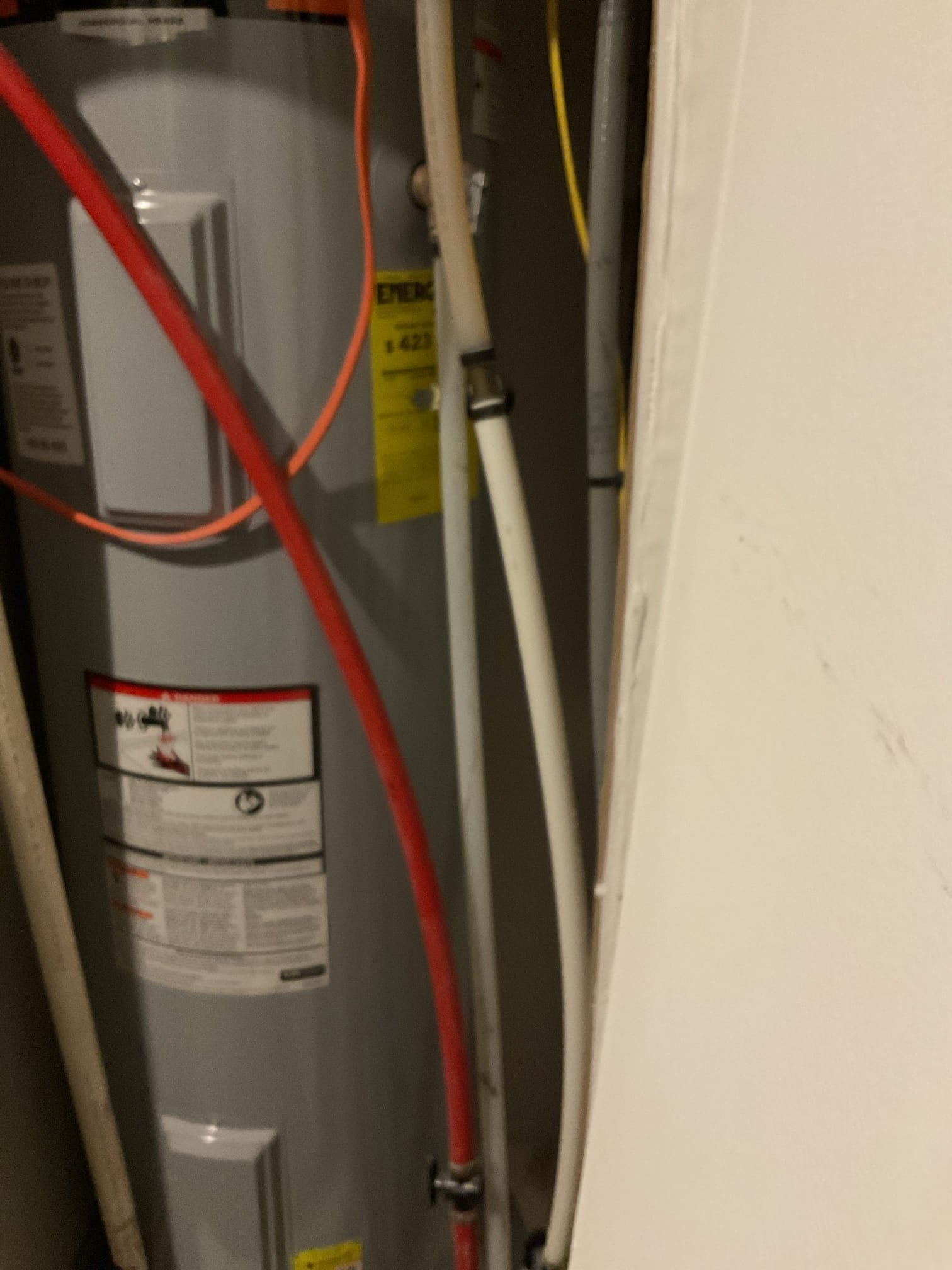
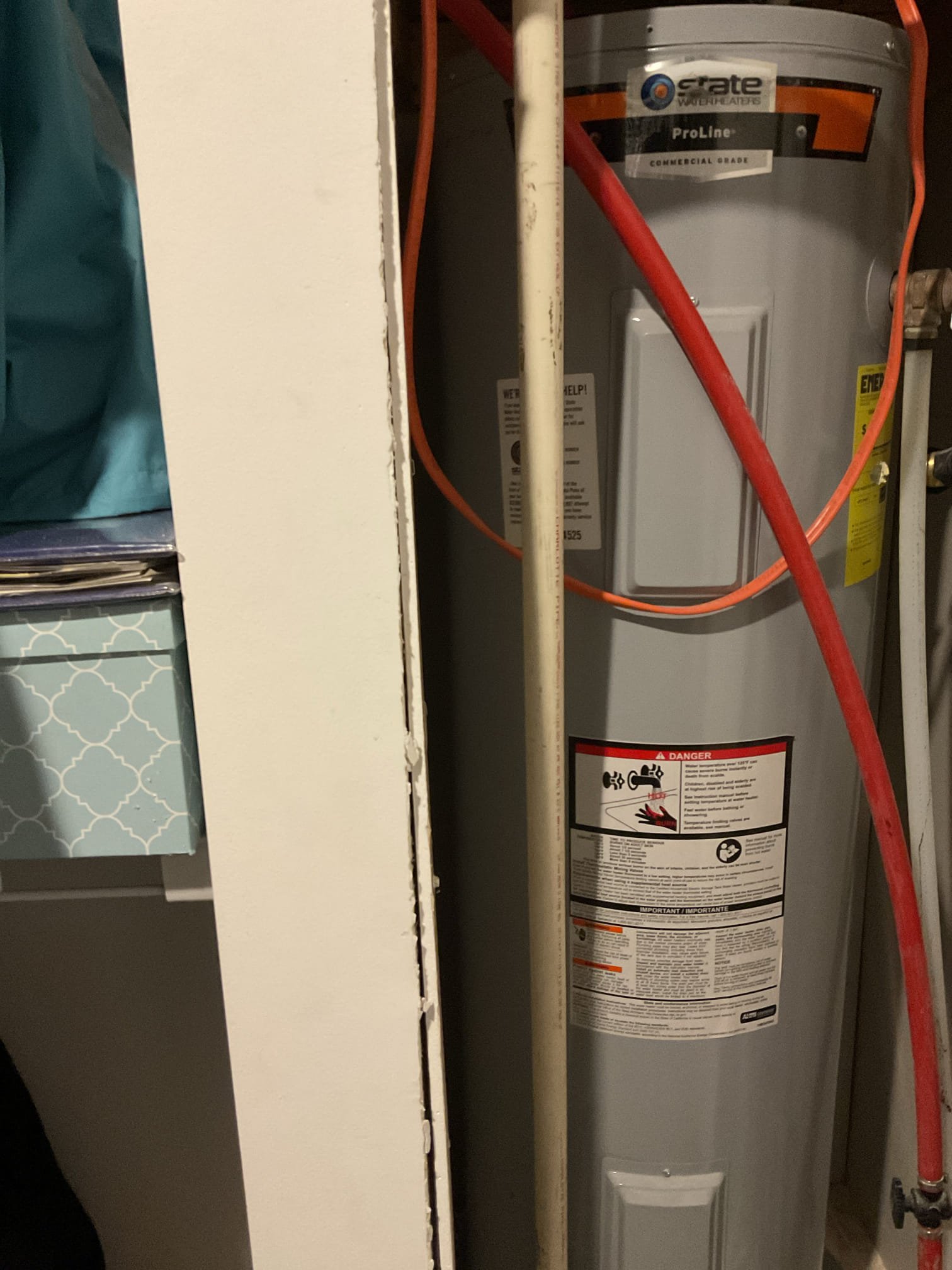
We found that the pressure tank was short cycling due to water backflow in the system and recommended installing a spring check valve on the water line ahead of the pressure tank to improve efficiency and reliability. A check valve was installed in the crawl space within the poly line prior to entering the building; the system was drained, insulation removed, an existing coupling replaced with a 1″ spring check valve, and the line reconnected to the existing 3/4″ PEX. The system was then restored and tested, confirming normal operation with short cycling eliminated and proper pressure maintained. Initial air in the line cleared after the first cycle. We also discussed adding a check valve at the well pump, which will be revisited during warmer weather, and all insulation was resecured with the crawl space properly resealed.
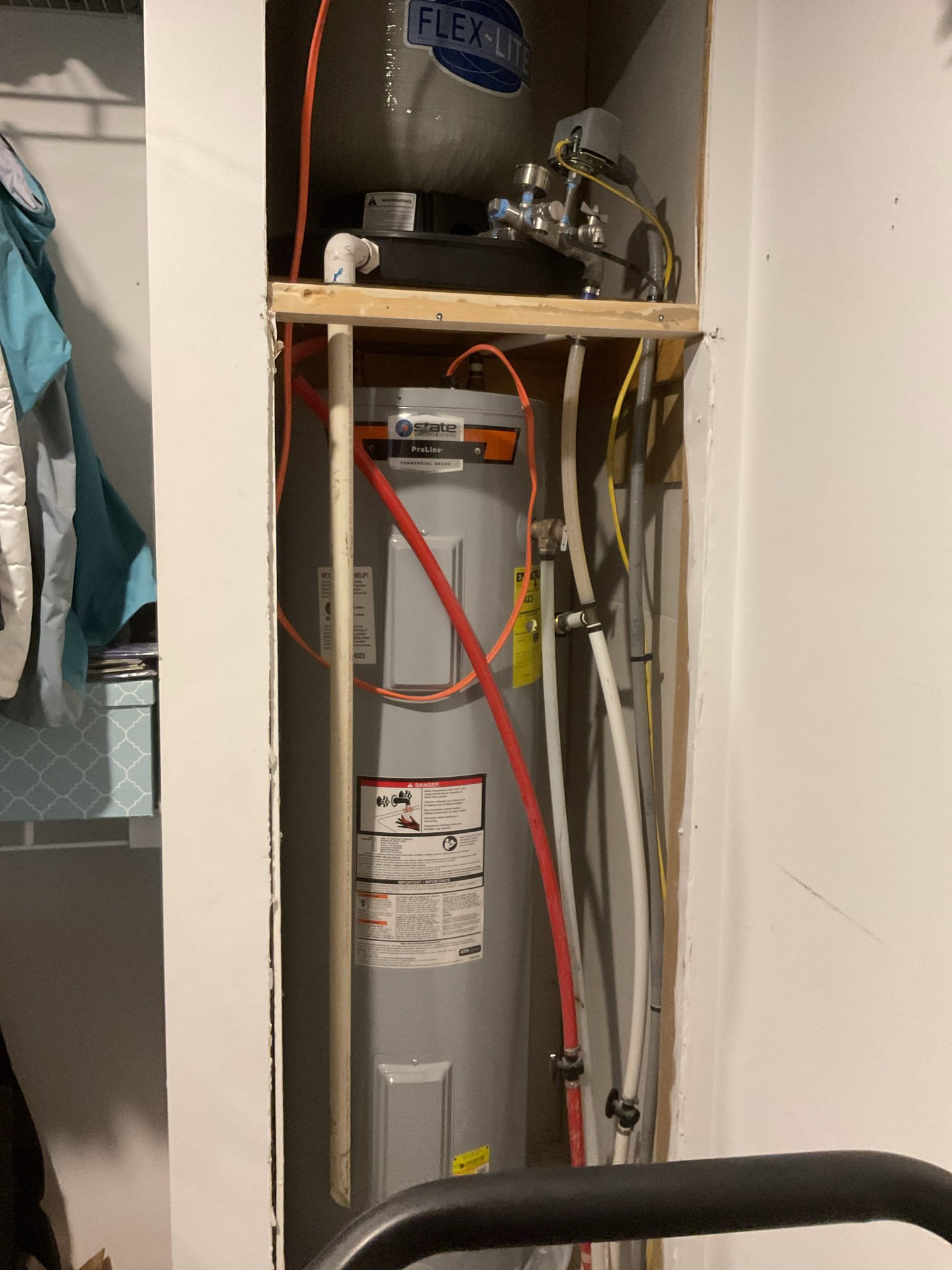
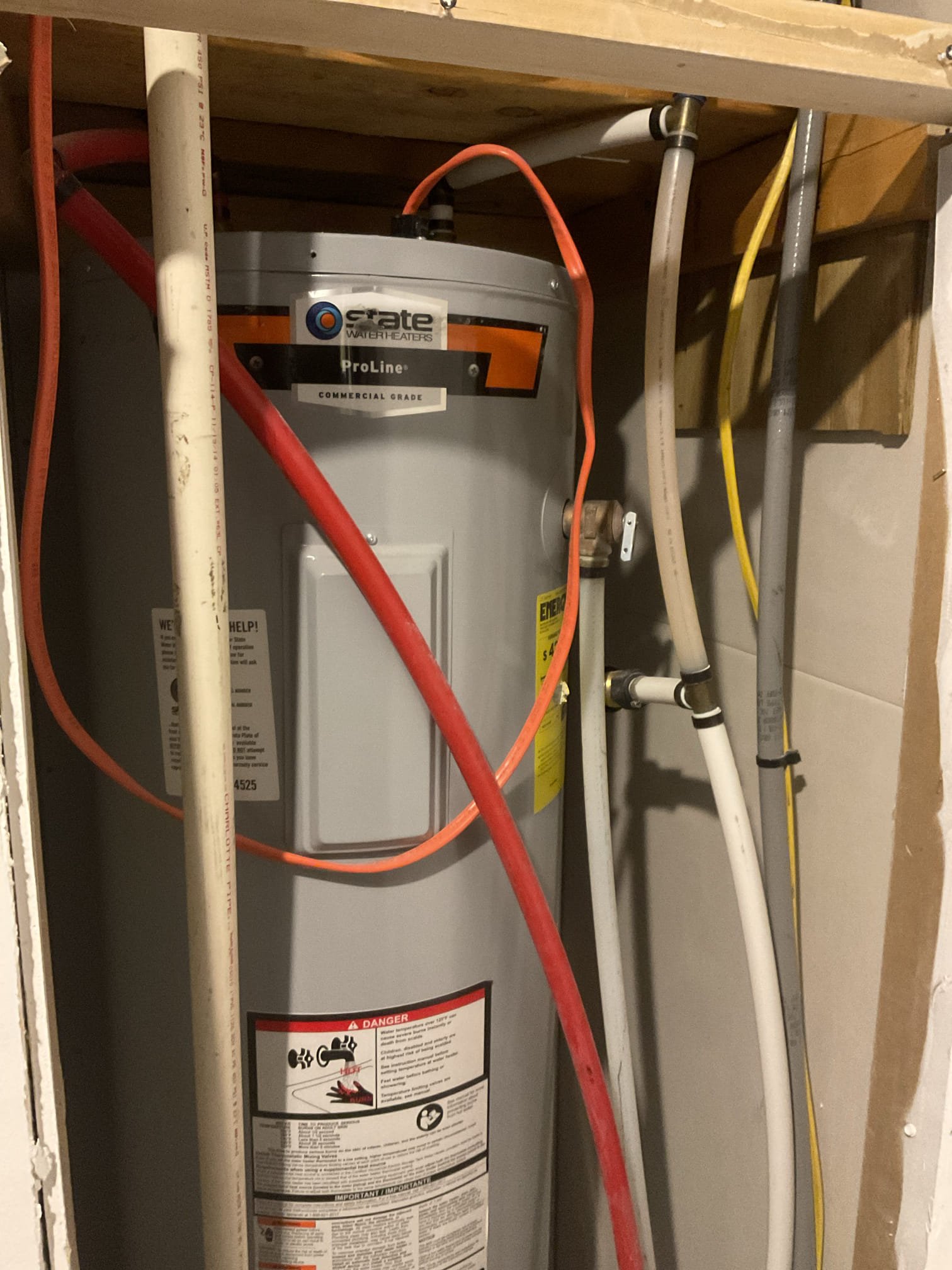
Finished insulation on downstairs drops, set condenser, ran line sets, set bypass damper, installed discharge air temp sensor, will need to return to do final wiring and start up