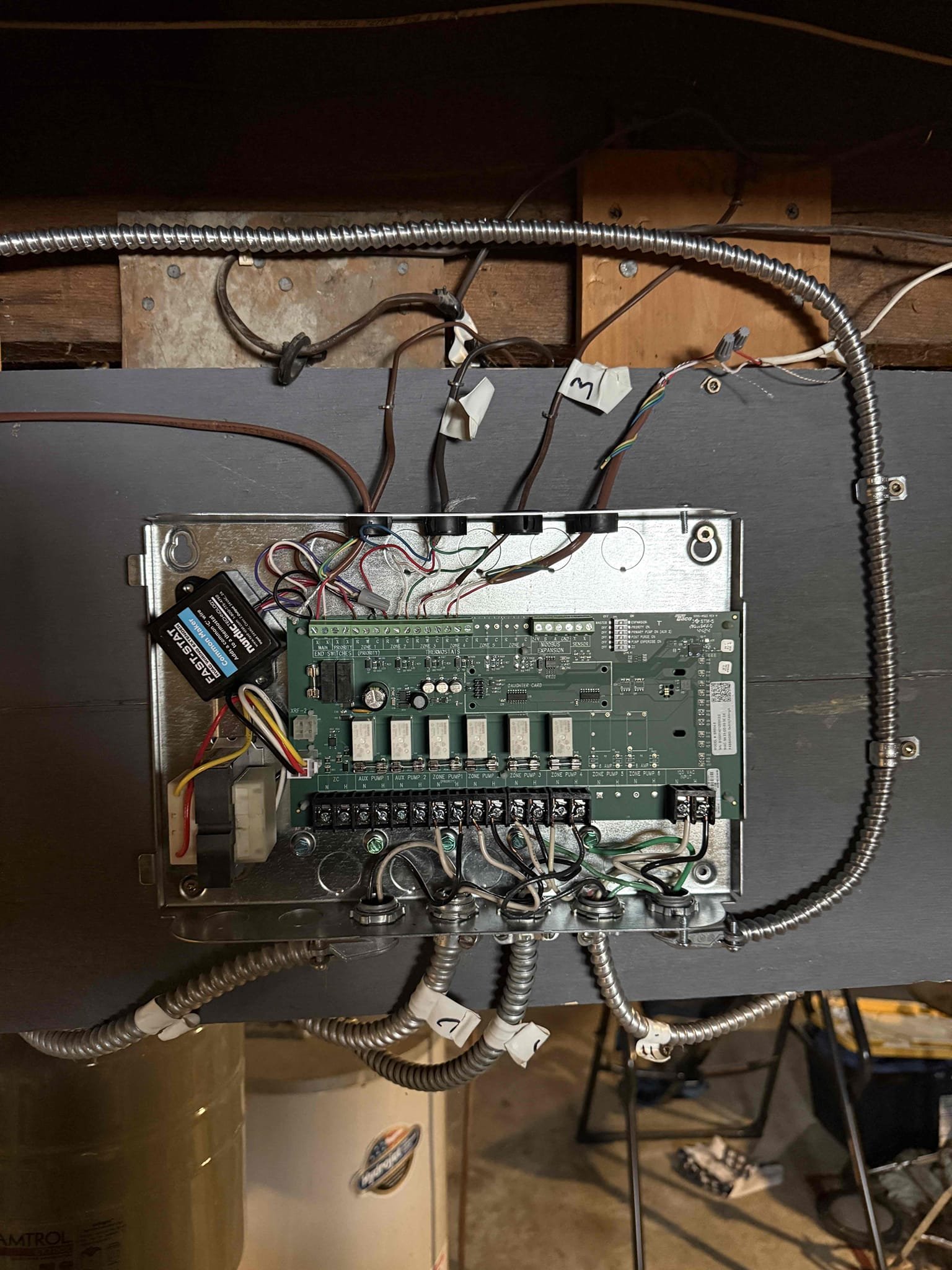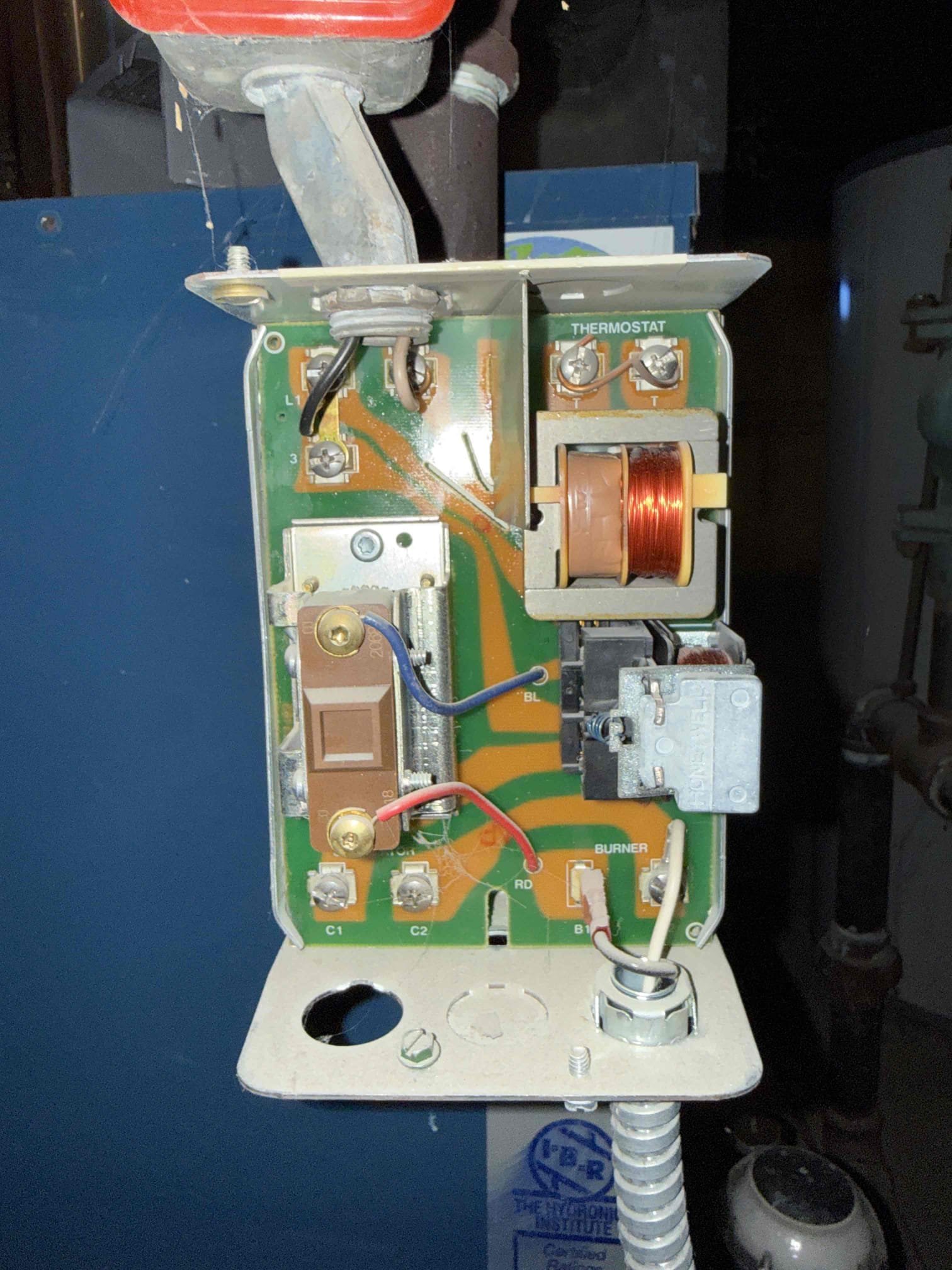

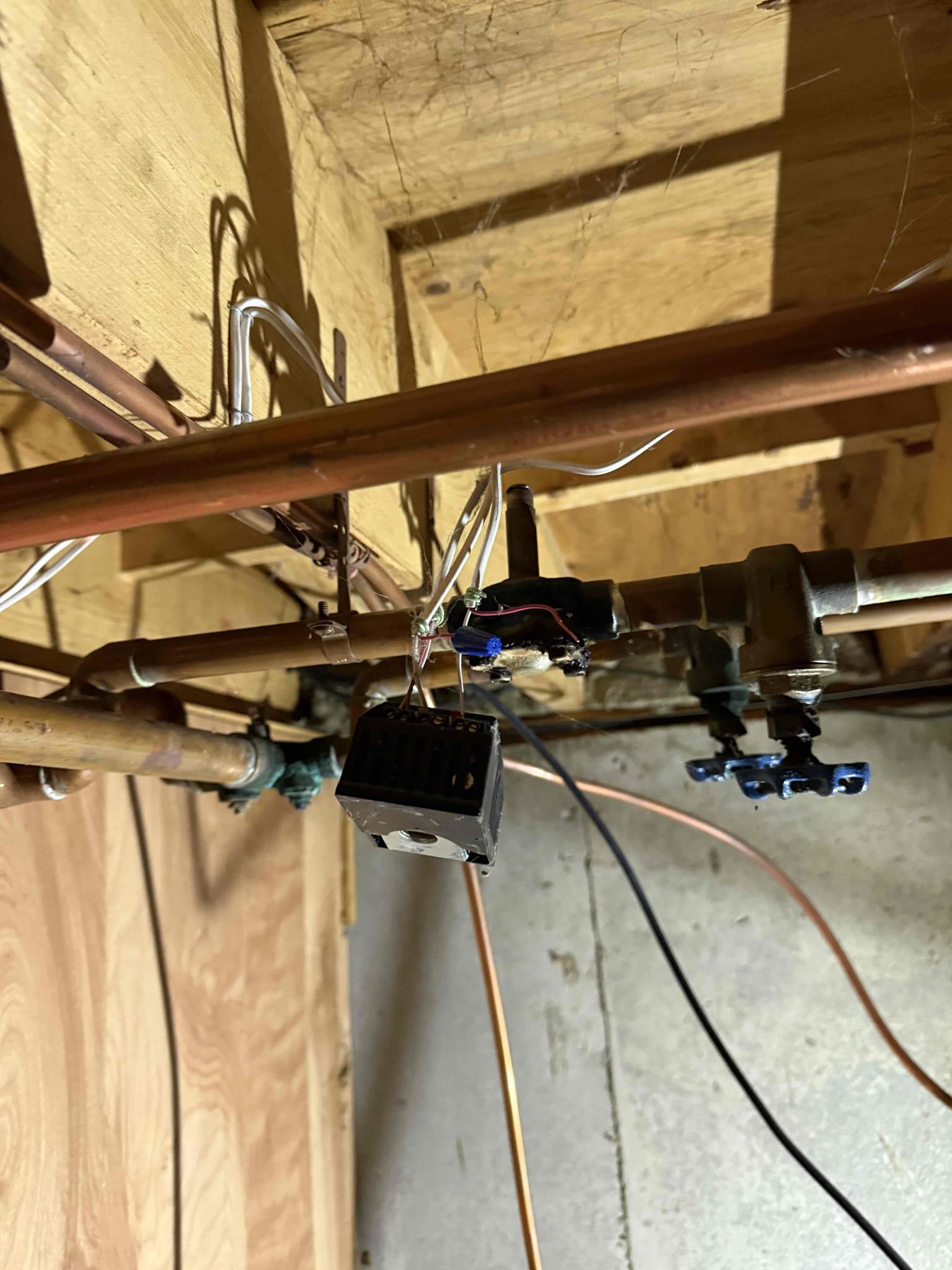
The customer reported a loss of heat in the home. She stated that she attempted to reset the boiler once; however, the boiler did not attempt to fire. Upon arrival, I found the burner motor had tripped and failed. The burner motor and nozzle were replaced, and the boiler was restarted. I allowed the boiler to run up to the high limit and observed system pressure rising to approximately 40 PSI. At that time, the pressure relief valve did not discharge. The expansion tank and pressure relief valve were replaced. After restarting the boiler, system pressure stabilized at approximately 20 PSI. During operation, the relay control board was observed chattering. Further inspection revealed a failed automatic zone valve (AutoMag) serving the second-floor heating zone. Power to the automatic zone valve was disconnected, which resolved the control board chattering issue. Due to the age of the system and the overall condition of the boiler and its components, boiler replacement is strongly re
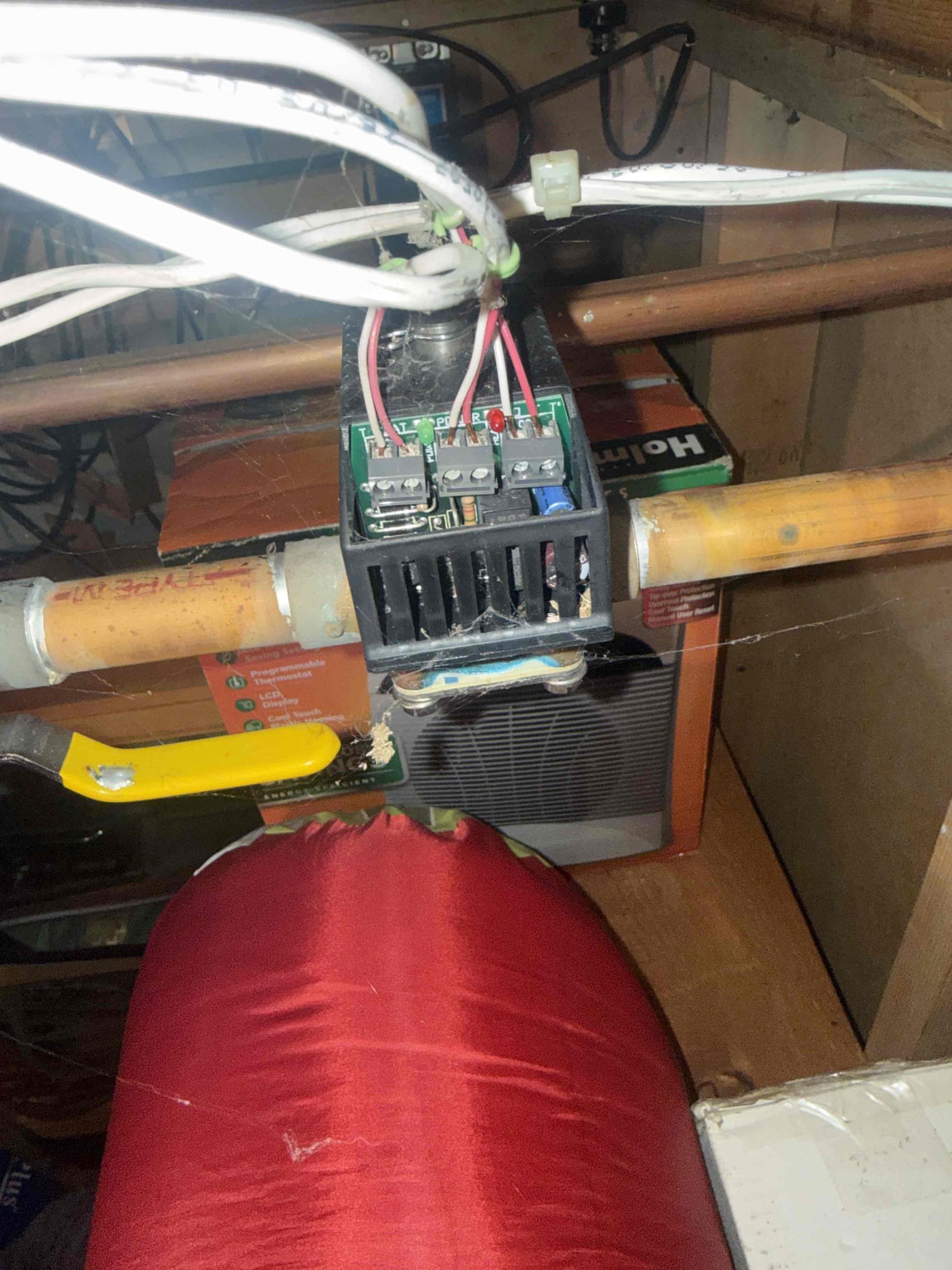
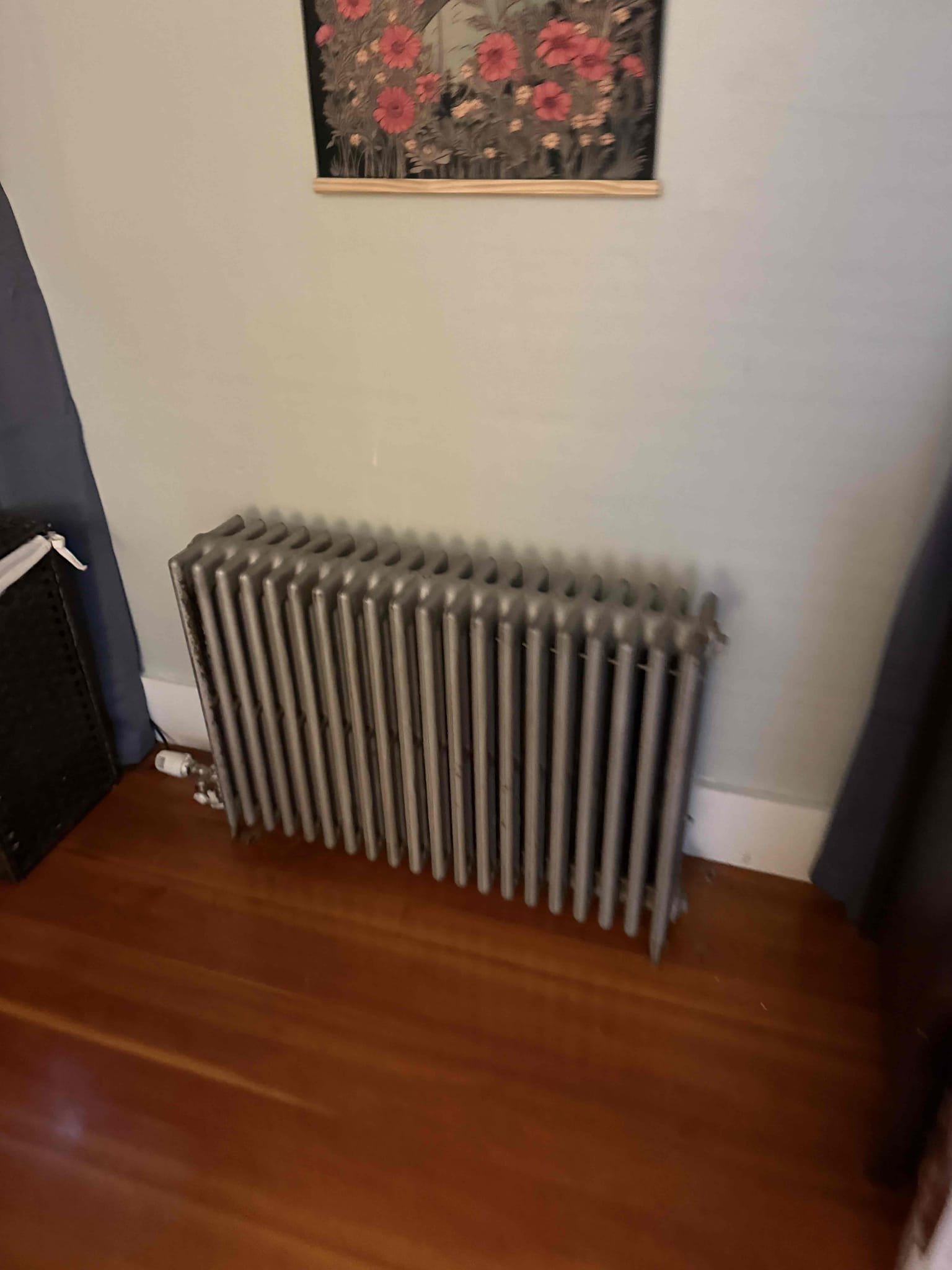
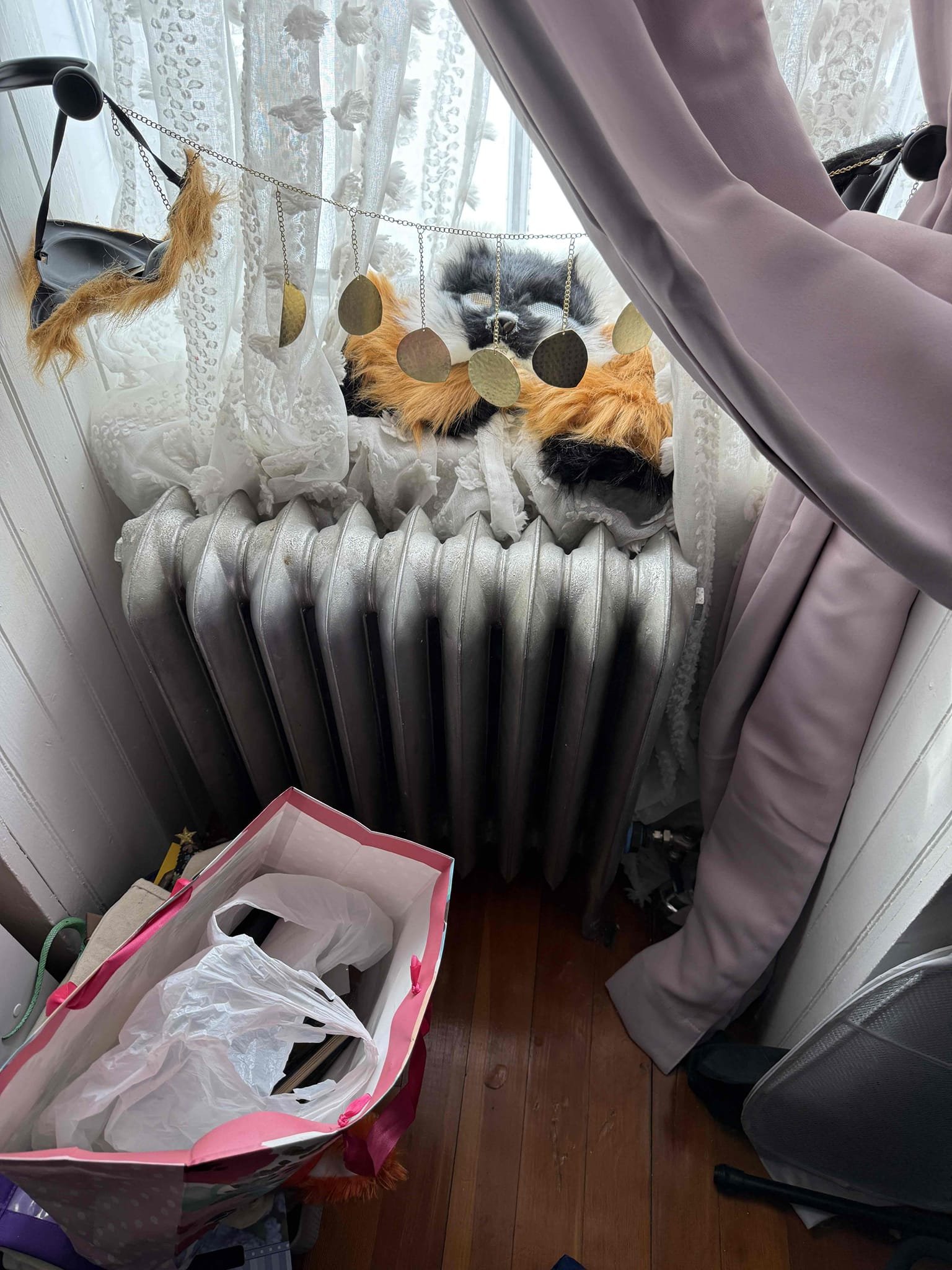
Customer reported that a supplier had previously inspected the upstairs heating zone, which was not producing heat, and suspected the zone may have been frozen. Upon inspection of the crawlspace, both heating pipes serving the zone were found to be completely frozen. A heat gun was used to safely thaw both pipes until full water flow was restored. The crawlspace temperature was observed to be extremely cold; insulation of the space is strongly recommended to prevent future freezing. An estimate to insulate the piping will be emailed to the customer. The antifreeze solution was tested and is providing freeze protection down to 10°F. The upstairs system utilizes steam radiators; only one radiator is equipped with an air bleeder for air relief. The zone was fully purged, and all components were verified to be heating properly and returning hot. At the time of service, the system was operating as designed.

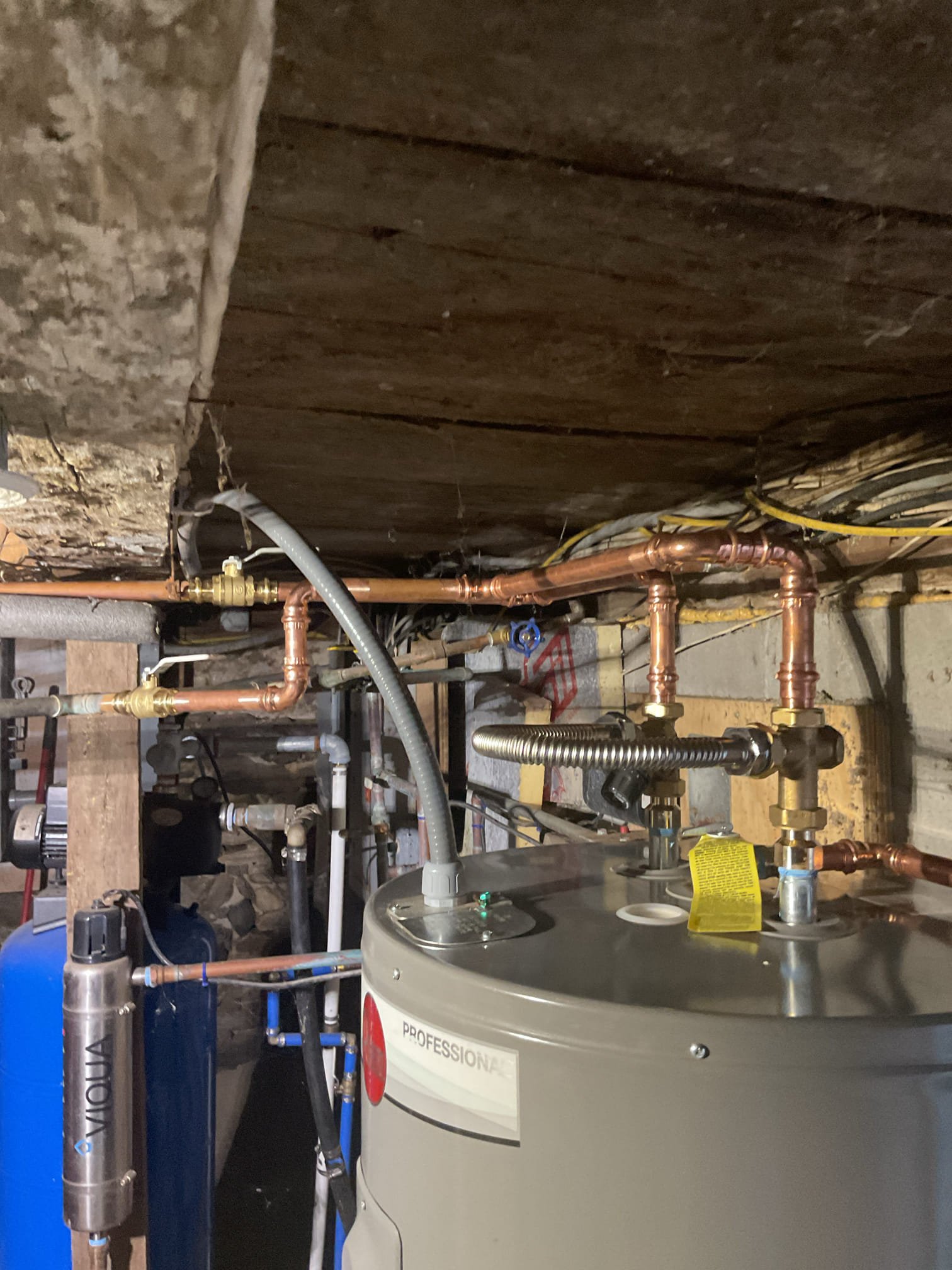
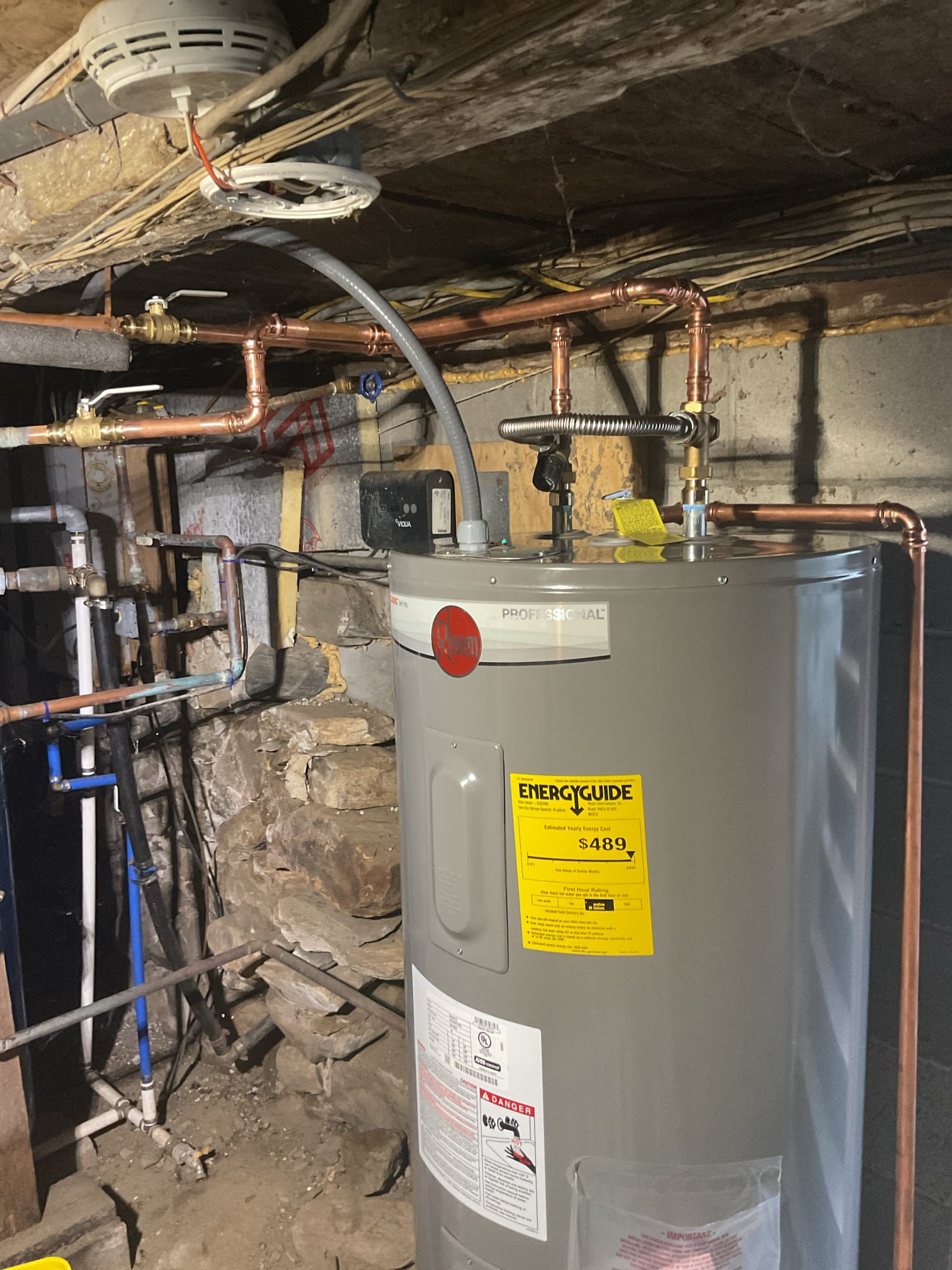
The homeowner’s existing water heater was not operating properly. We removed the existing 50-gallon electric water heater and installed a new Rheem Professional Series 50-gallon electric water heater. A new thermostatic mixing valve was installed at the outlet of the water heater. Additionally, two new ¾-inch ball valves were installed—one on the cold-water supply and one on the hot-water outlet—to provide proper shutoff capability for the unit. A liquid-tight electrical conduit was installed to protect the exposed wiring up into the ceiling joist, ensuring code compliance and improved safety. The mixing valve was set to 4.5, which corresponds to approximately 120°F, in accordance with Vermont’s anti-scalding requirements. The internal thermostats of the water heater were set to 140°F to aid in the prevention of bacterial growth within the tank. All piping connections were thoroughly inspected, and no leaks were found. At the completion of the installation, the system was tested an
Built estimates for applying silicone to the primary shower

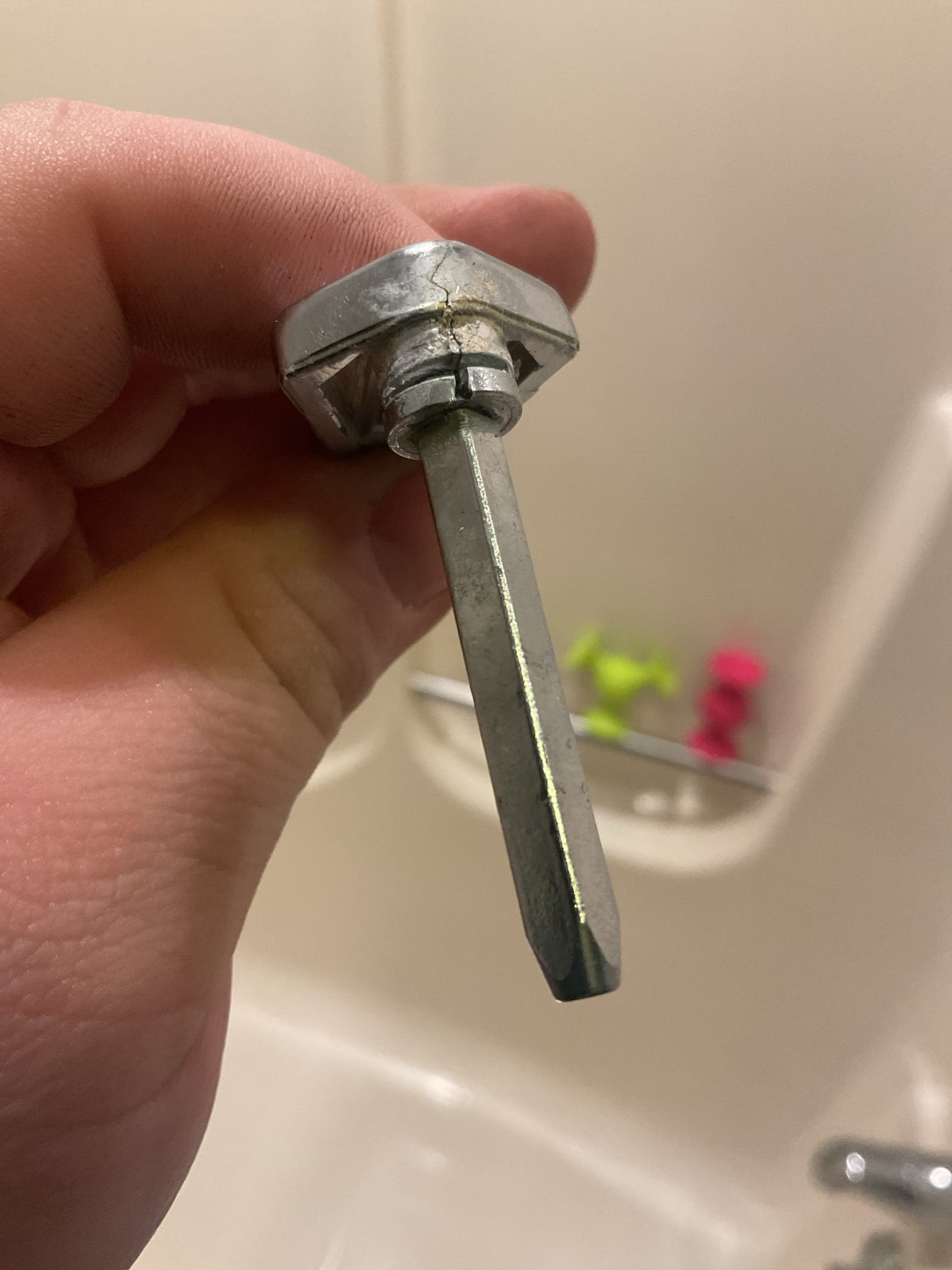
Upon arrival, an active water leak was observed occurring through deteriorated grout lines during shower use. As a temporary corrective measure, silicone was applied to the failing grout areas to help mitigate water intrusion. A full evaluation of the guest bathroom shower was then performed due to reported operational issues. The shower was not properly diverting water from the tub spout to the shower head and exhibited low water flow. Further diagnosis determined that the Symmons cartridge and diverter handle had failed. The failed cartridge and diverter handle were removed and replaced, restoring proper diversion, water flow, and overall shower operation. The shower was tested after repairs were completed and confirmed to be functioning as designed at the time of service.
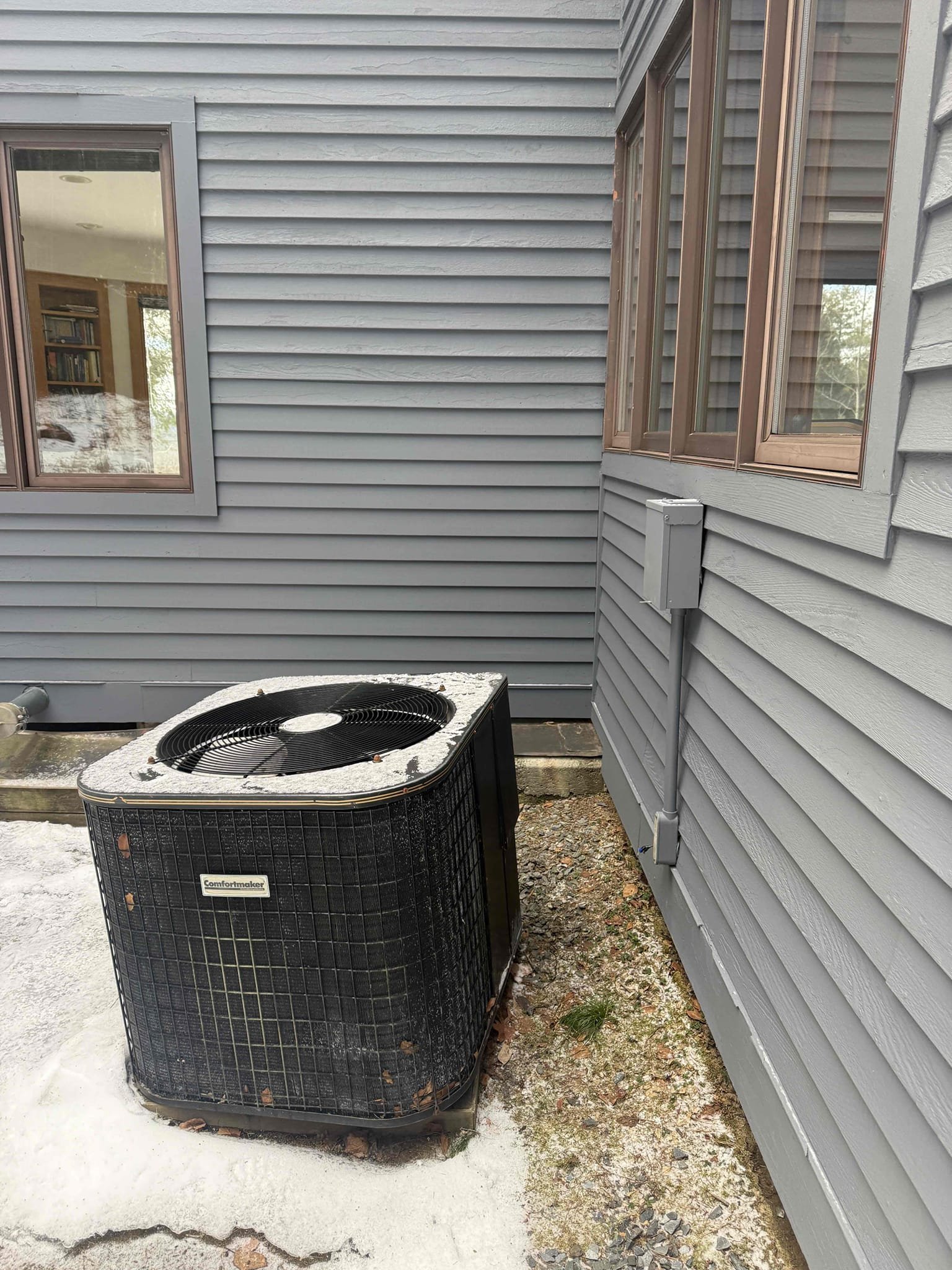
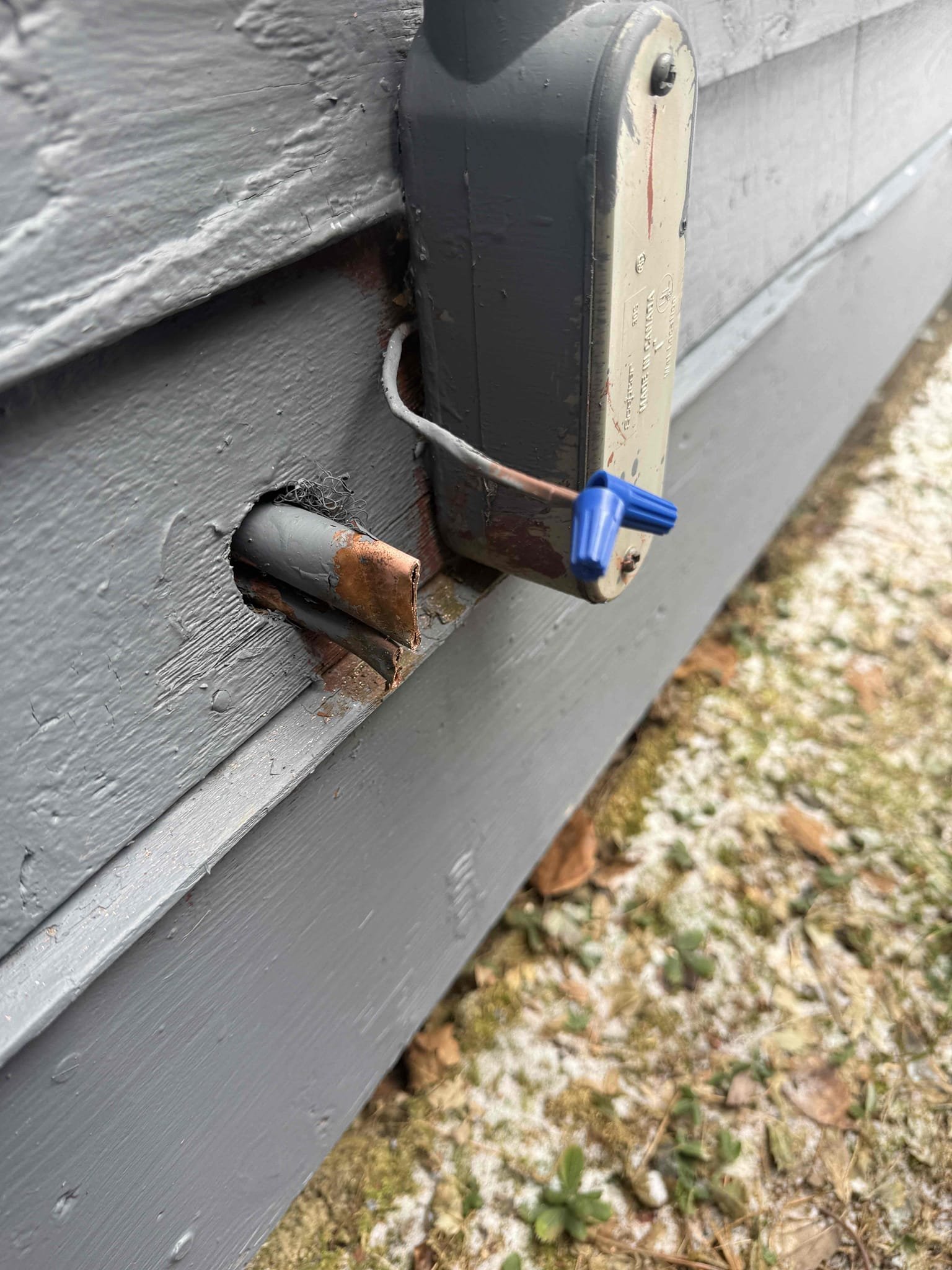
Disconnected the existing air conditioning unit from the residence to allow for homeowner removal. Verified the condenser contained 0 PSI and no refrigerant. Cut and crimped the copper line sets to properly seal the system, disconnected the electrical whip, and left the electrical disconnect in place on the house. De-energized the circuit by shutting off the breaker supplying the outdoor disconnect, and disconnected and secured the thermostat control wires with wire nuts.

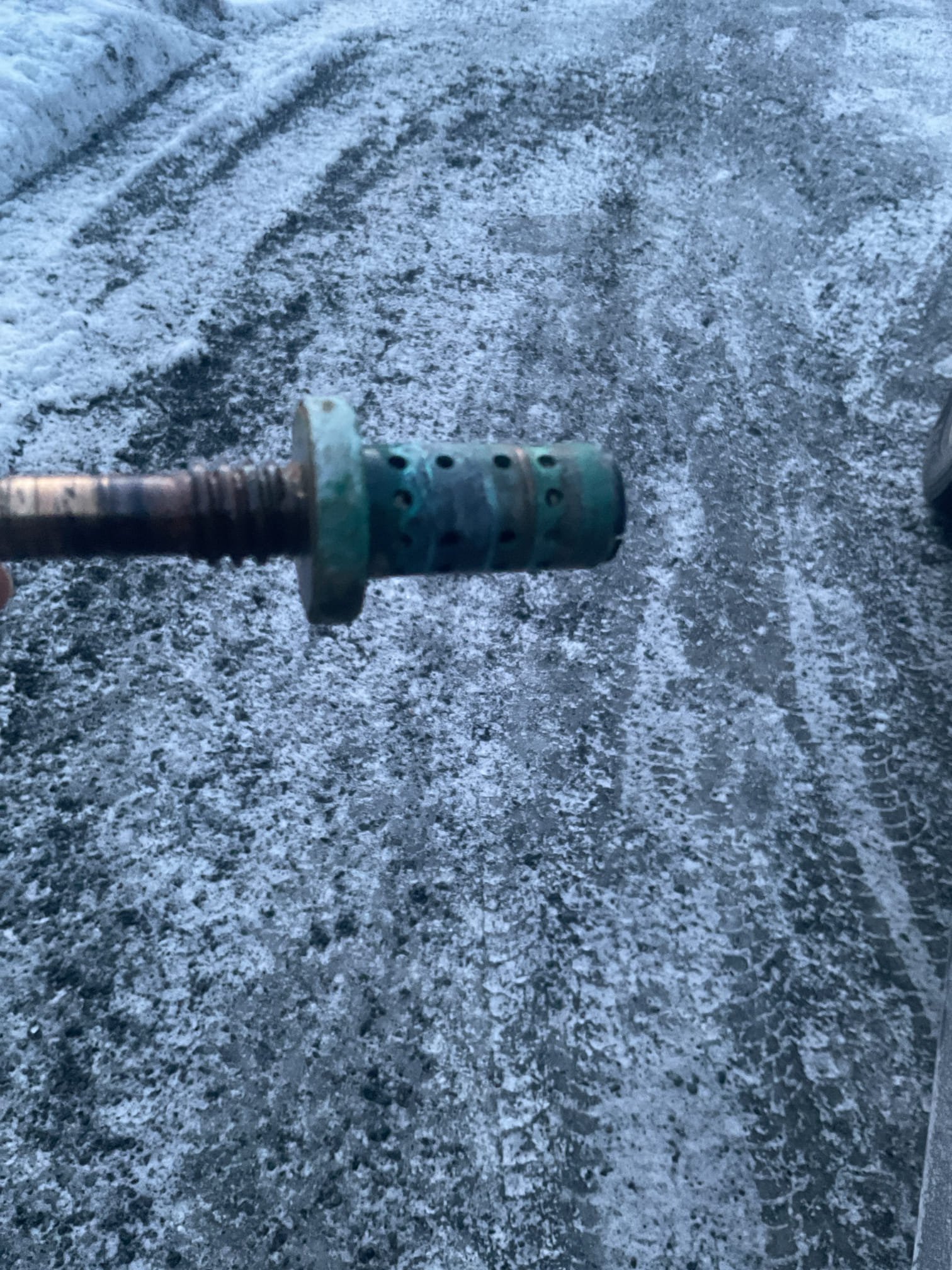
The homeowner contacted us regarding a loss of water at the residence. Upon arrival, we found the well pump unplugged from the outlet; the homeowner stated he did not unplug the unit and noted that a heating technician had been on site when the water loss occurred. We verified the pressure tank air charge at 30 PSI, reconnected the pump, and confirmed proper operation as the system built pressure and shut off at 50 PSI. The homeowner operated fixtures throughout the home, and the pump continued to function normally. The homeowner also reported a gradual decline in water pressure over recent years and stated that the sediment filter had not been replaced. Inspection revealed the sediment filter cartridge was completely clogged with iron, restricting water flow. We bypassed the filter housing, relieved system pressure, removed and cleaned the housing and gasket, and installed a new sediment cartridge. The housing was reassembled using lubricant on the threads and O-ring, the system was
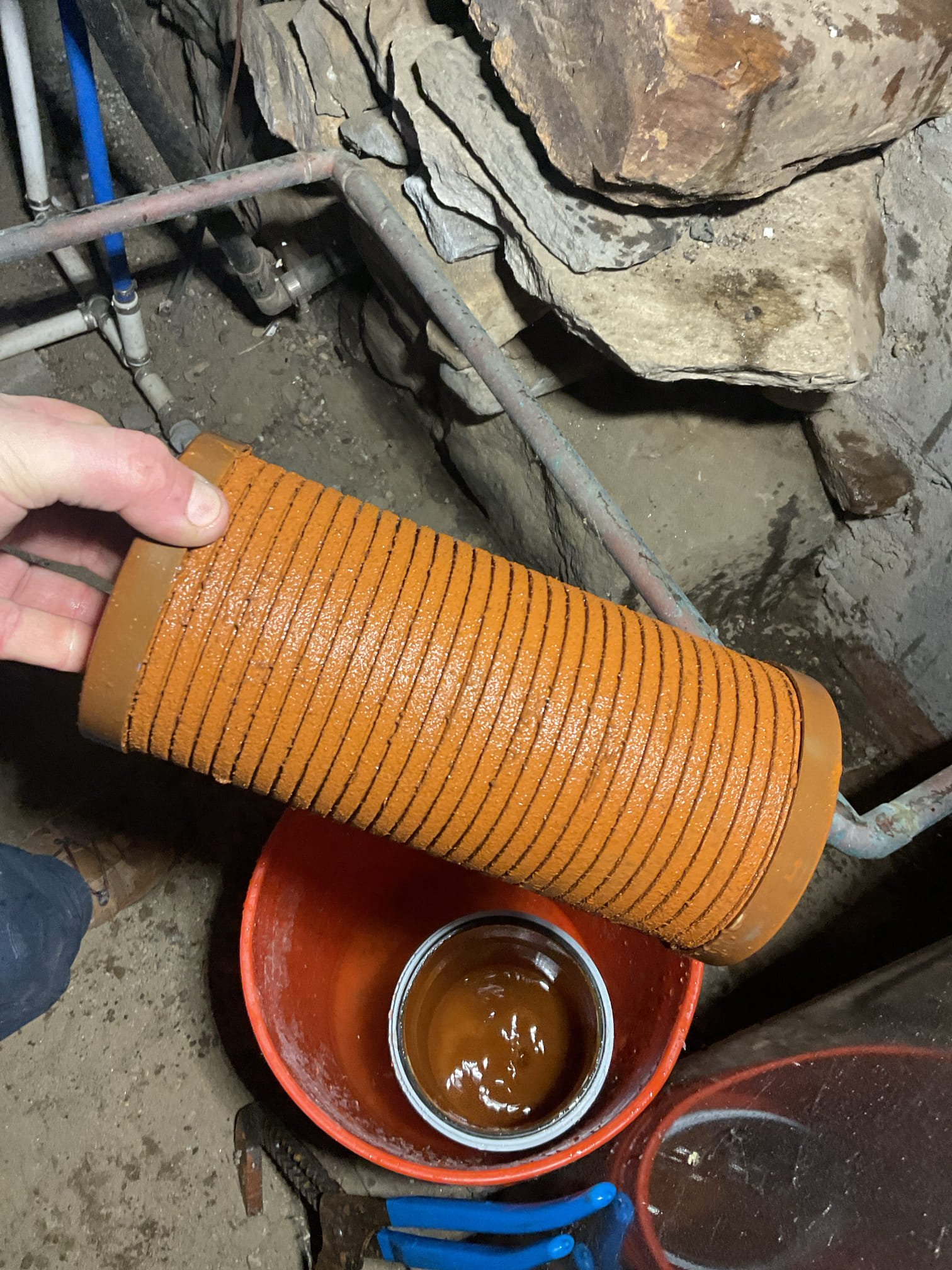
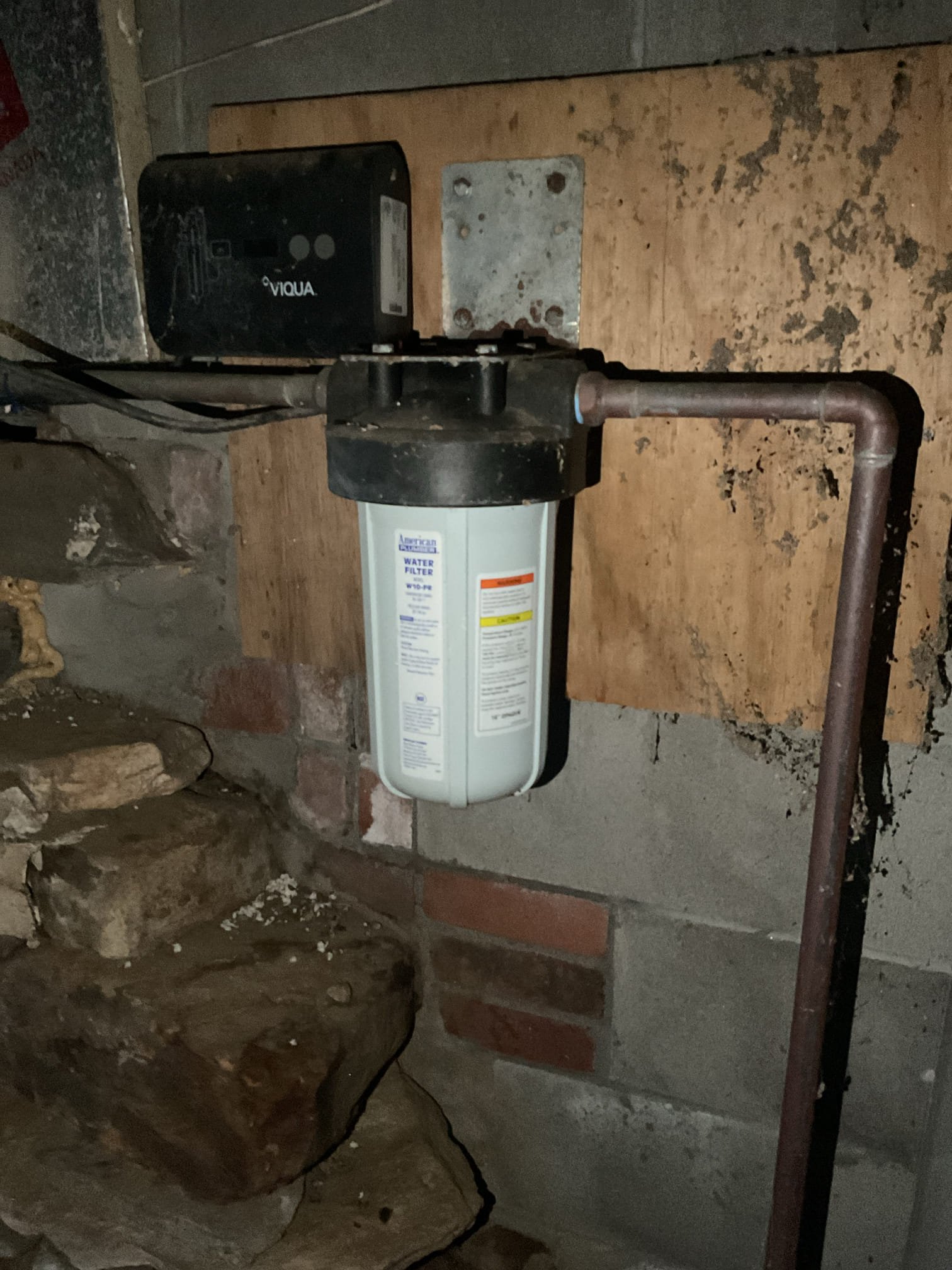

Looked at installing a ERV system to help dilute air in home for radon

I came to check out shower and faucet in upstairs restroom that were dripping by. I have estimates for replacement of cartridges in both the faucet and shower for both company supplied and customer supplied options. I gave the part numbers for the parts to the customer. Customer is going Webbs to look at pricing if the materials and decide how they would like to proceed.
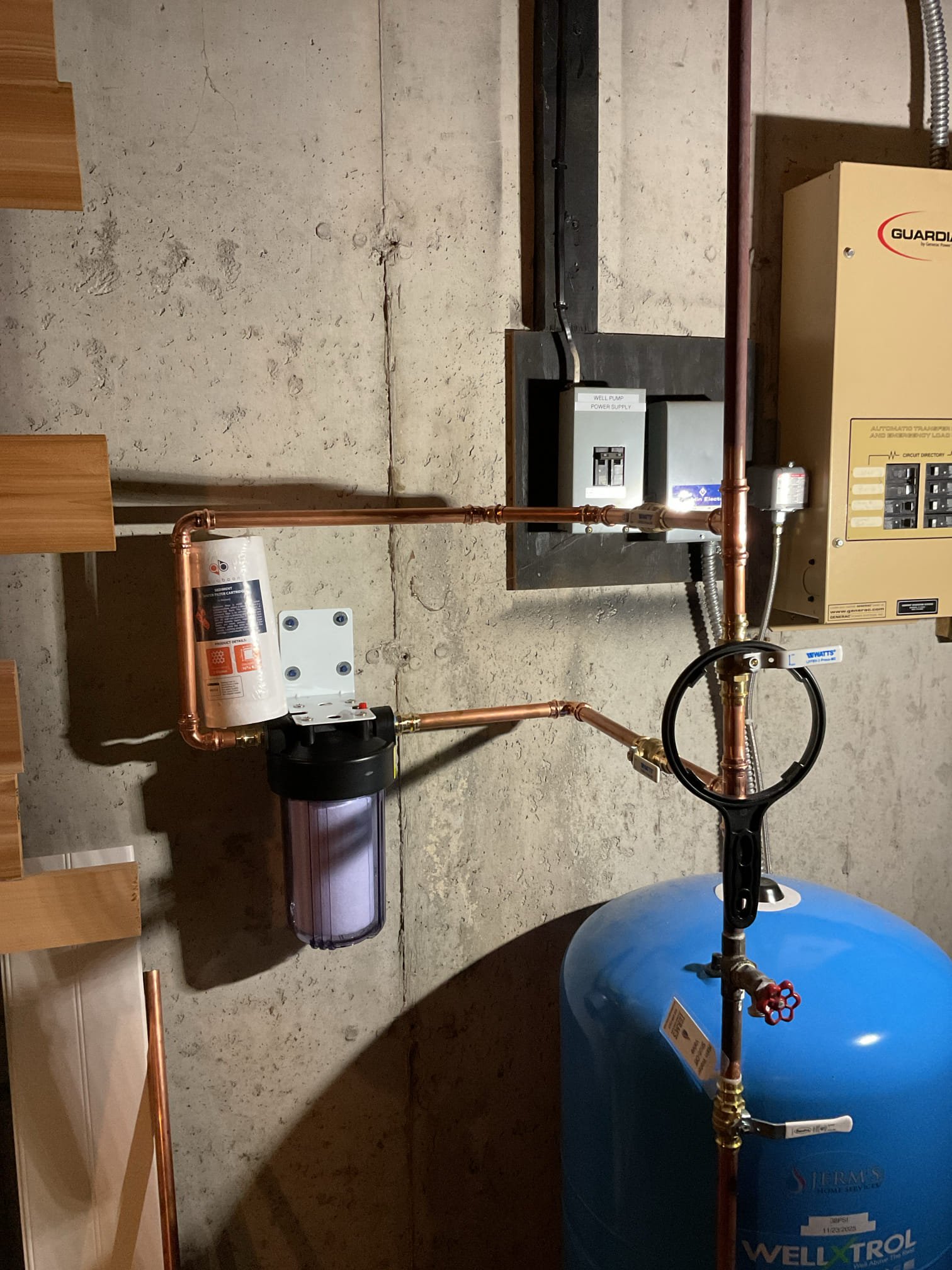
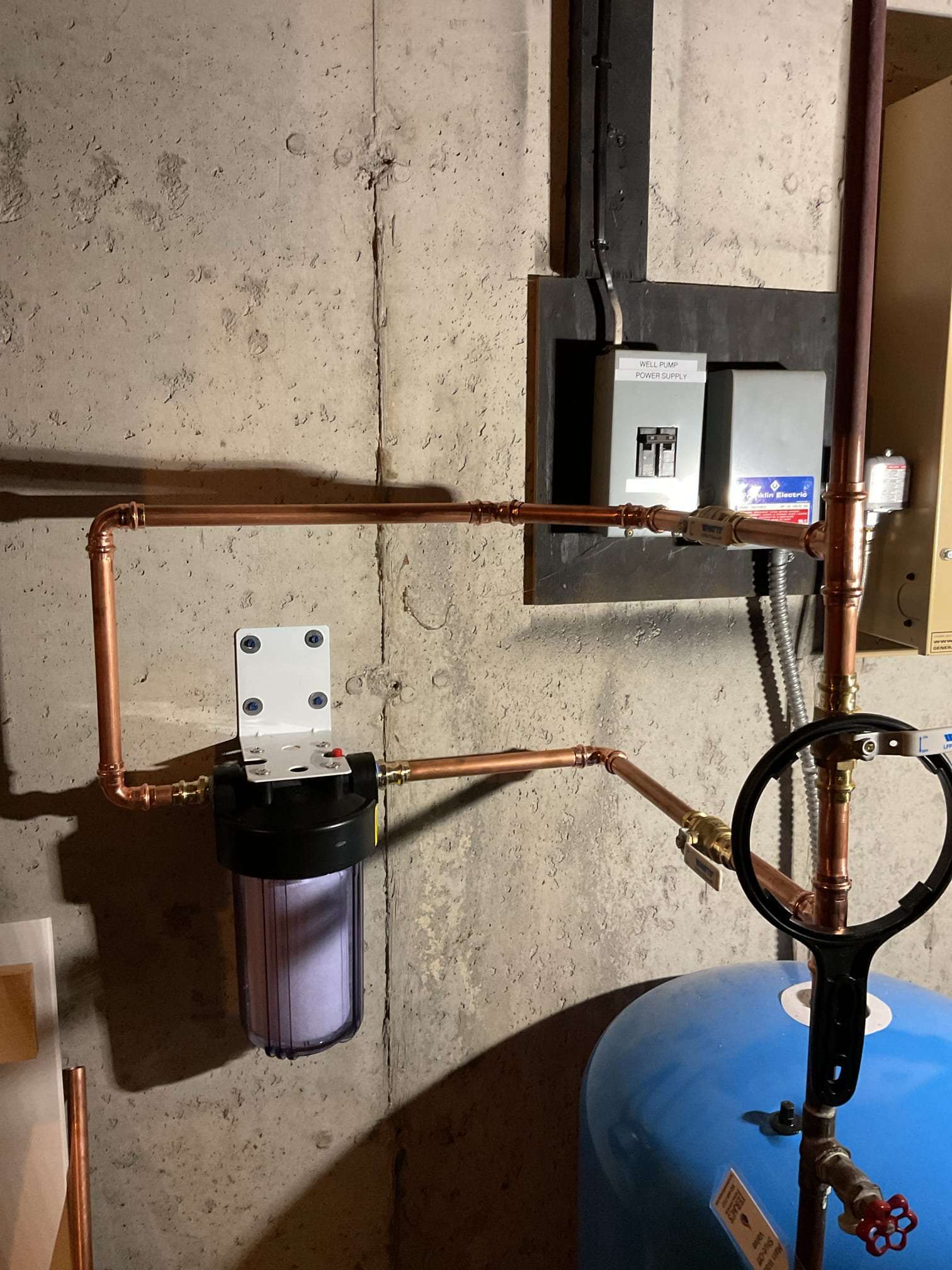
Upon evaluation of the plumbing system, it was determined that no sediment filtration was currently installed, which can negatively impact water quality and contribute to premature wear on plumbing fixtures throughout the home. Additionally, two existing toilets were identified as underperforming and in need of replacement to improve reliability and flushing effectiveness. To address these concerns, a new sediment filter housing was installed to help protect the home’s water supply by reducing debris and particulate matter. Two pressure-assisted toilets were also installed to significantly enhance flushing performance, improve efficiency, and provide long-term reliability. These improvements were completed to enhance overall water quality, system performance, and dependable operation of the home’s plumbing fixtures.

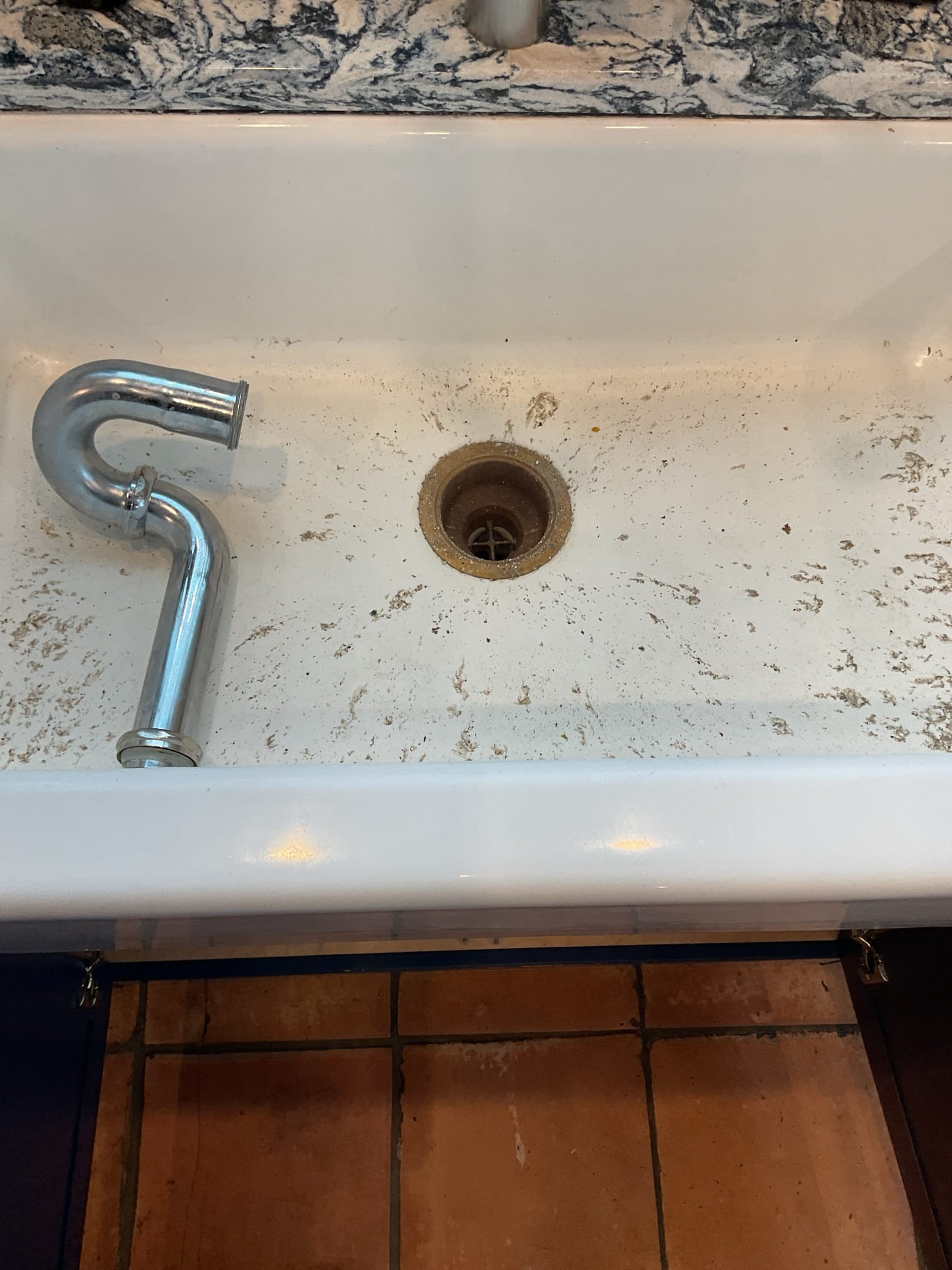
An attempt was made to clear a blockage in the kitchen sink drain. The drain line was snaked from the kitchen sink down to the 3-inch main drain, where a blockage was encountered that could not be cleared from the upstairs access point. A rubber Fernco coupling was then removed to gain additional access to the line, allowing the drain to be snaked from that location. The blockage was successfully cleared, and the kitchen sink was tested and is now draining properly. All components were reinstalled and secured, and the drain system is functioning as it should.
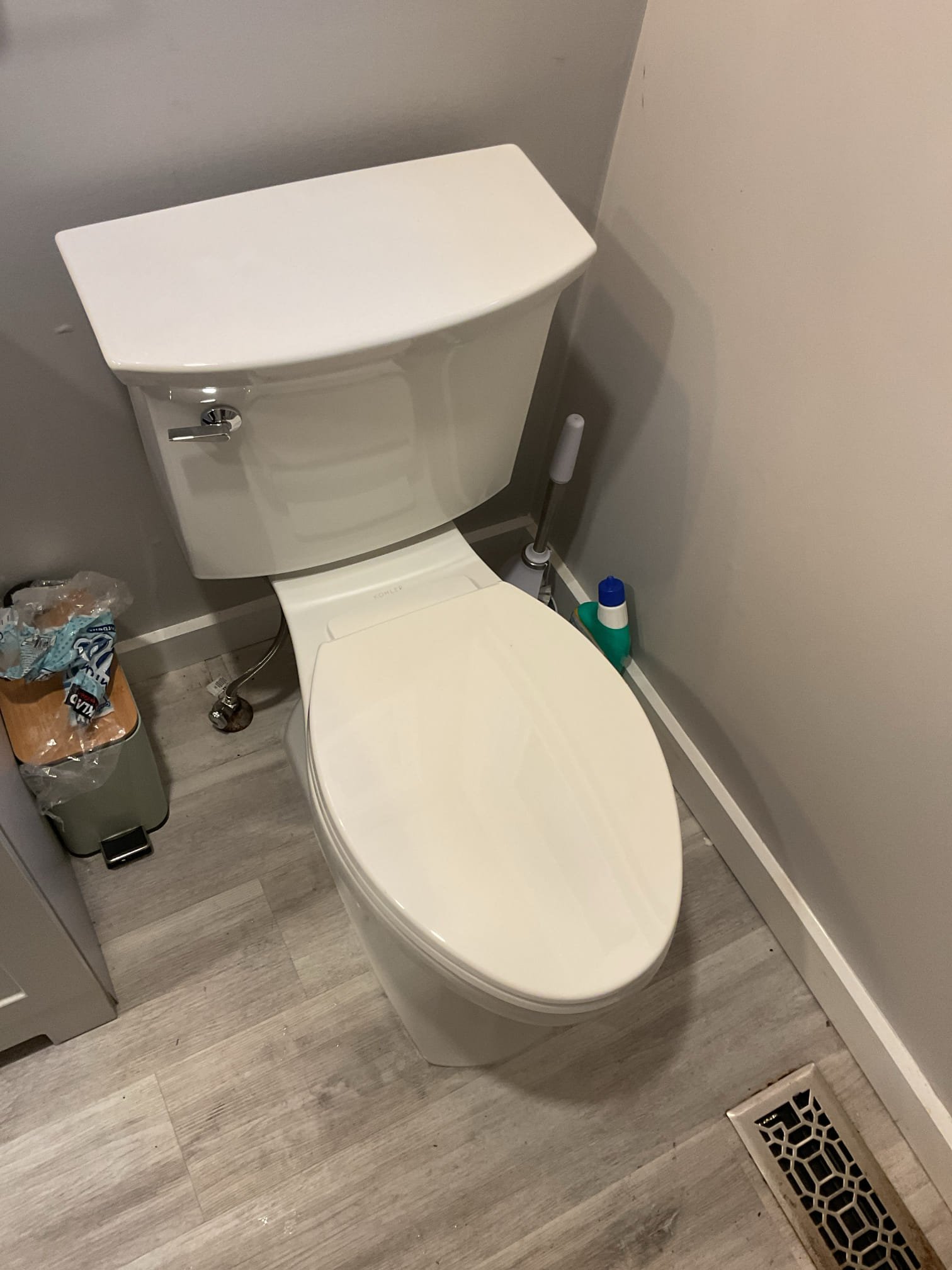
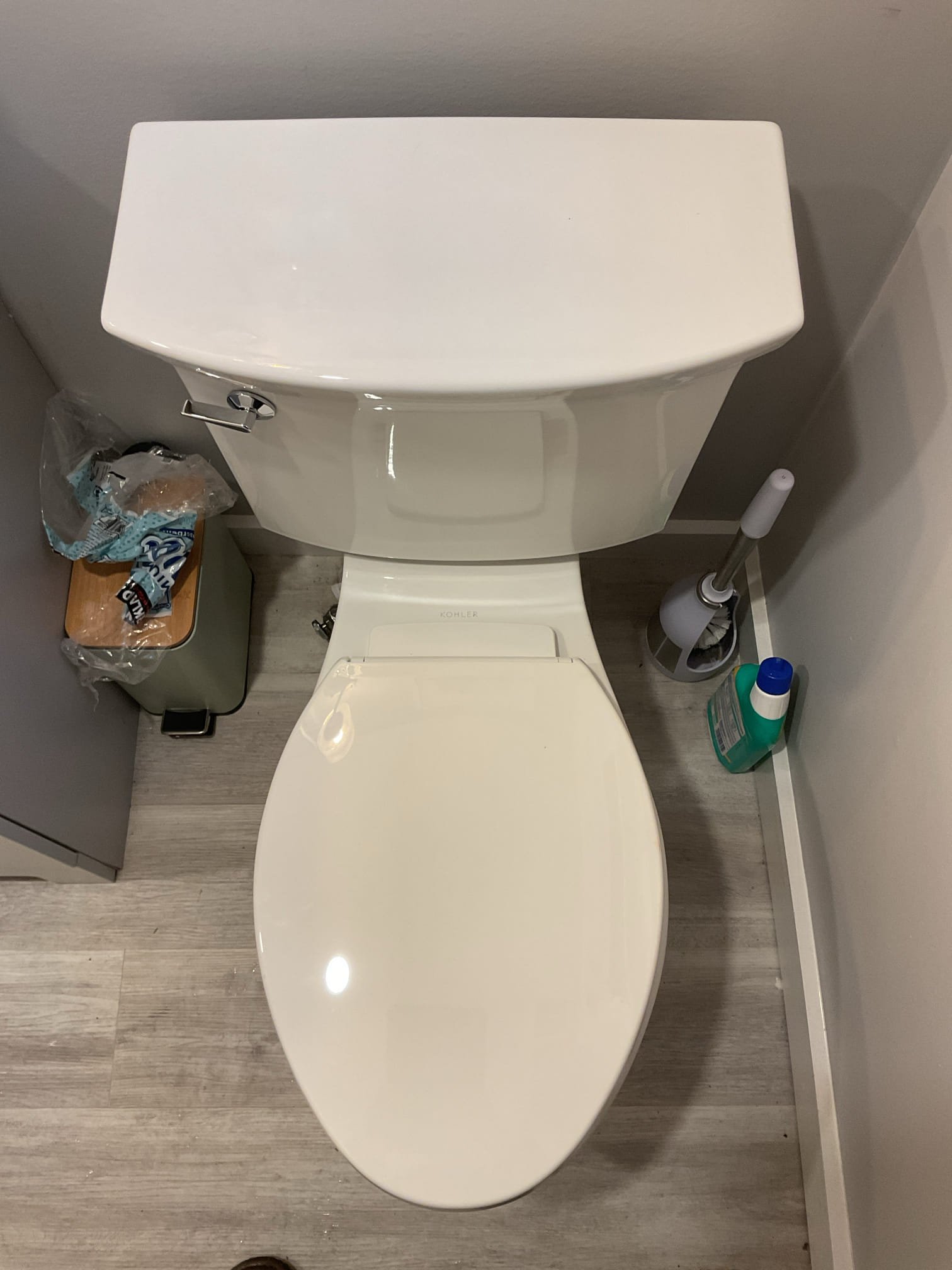
For this job, the existing toilet in the downstairs half bathroom was removed and replaced due to its age and condition. The old toilet was carefully disconnected and properly disposed of. A new toilet was installed using a new wax ring and secure mounting hardware, and the existing water supply was reconnected. All connections were thoroughly secured and checked for leaks. The toilet was flushed and tested multiple times to confirm proper operation, stability, and drainage. All work was completed in accordance with current plumbing standards, and the toilet is functioning as intended. Customer will consider whole house filtration options instead of the reverse osmosis system.

Arrived on site to investigate a no-heat issue in the main living area zone. Upon inspection, I quickly diagnosed the circulator pump as the cause of the problem. I replaced the pump and verified proper operation. The system is working properly at this time. I emailed them estimates to perform maintenance on the boiler and water heater.
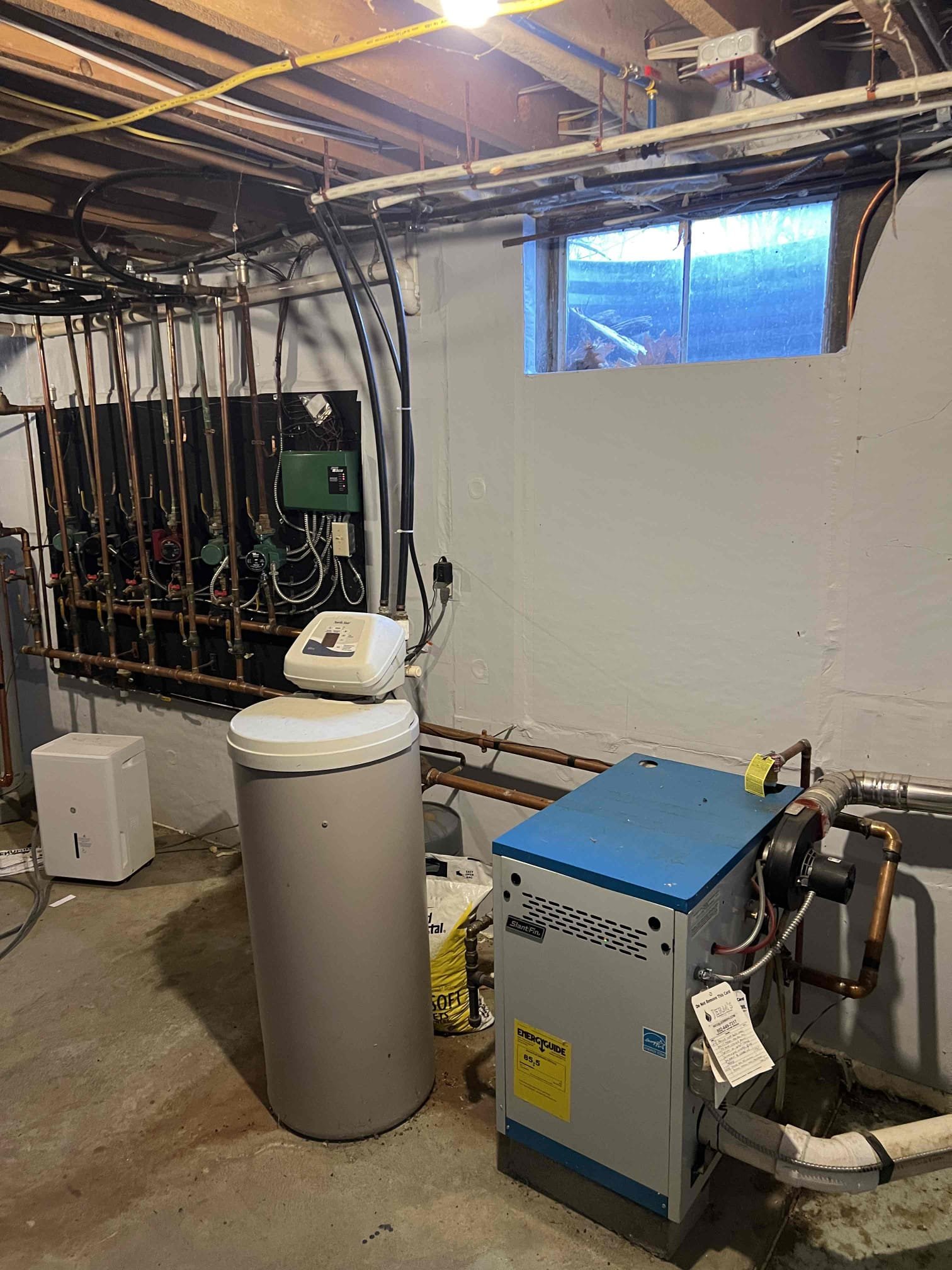
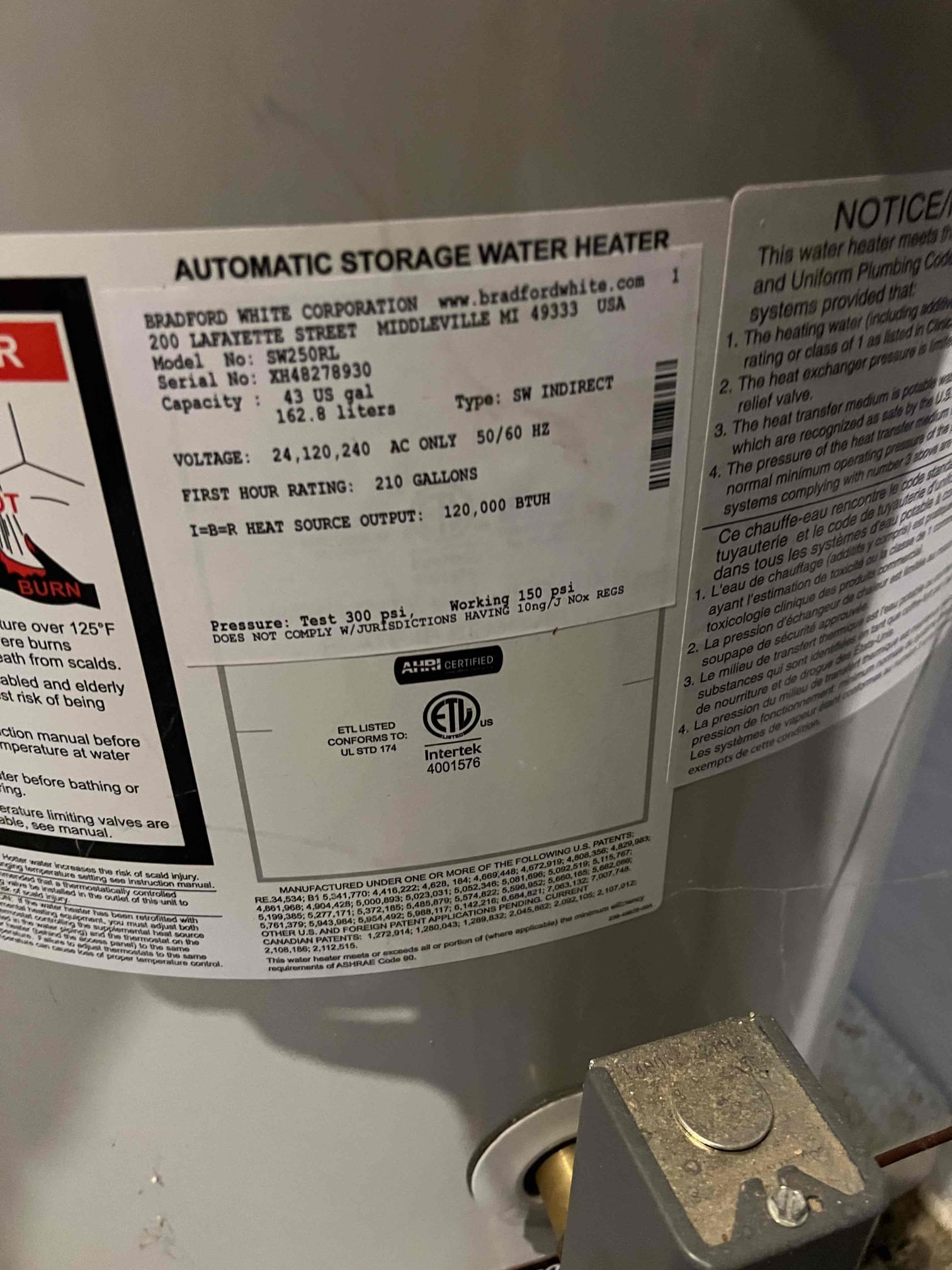
Removed four existing SR501 relay controls and installed a single SR504 relay control to properly manage all circulator pumps and thermostat connections. All circulators and thermostat wiring were landed and verified at the new control. Installed a Fast-Stat system on the upstairs zone to accommodate limited existing wiring and installed a customer-supplied Ecobee thermostat. Ran new control wiring from the SR504 to the boiler aquastat, replacing the previous jumper configuration. This now allows the boiler to operate only on a verified call for heat rather than continuously running off the high limit. Tested operation of each thermostat and corresponding zone to confirm proper circulator engagement, boiler operation, and system shutdown. All zones were labeled accordingly. System is operating properly at this time.