
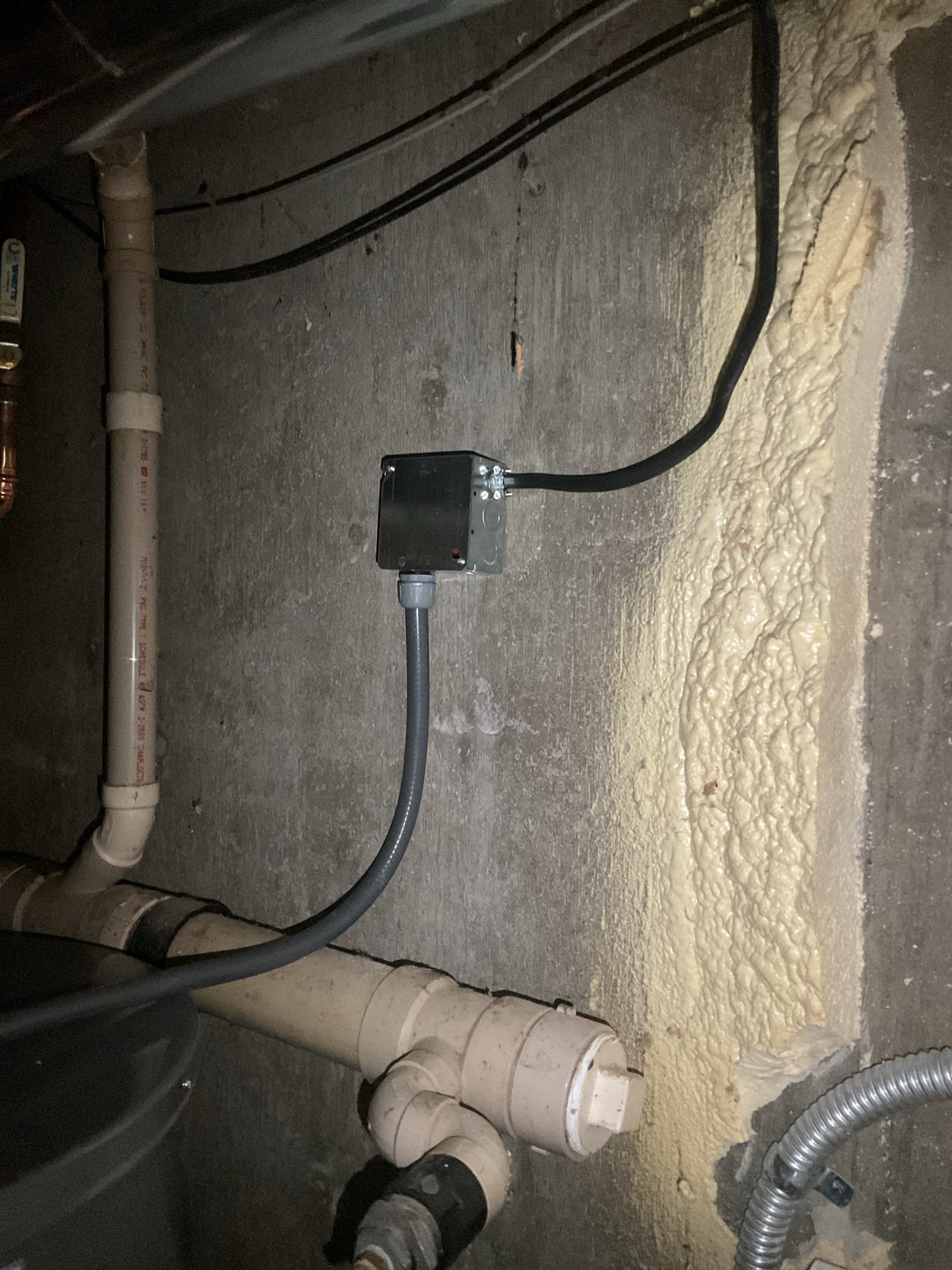
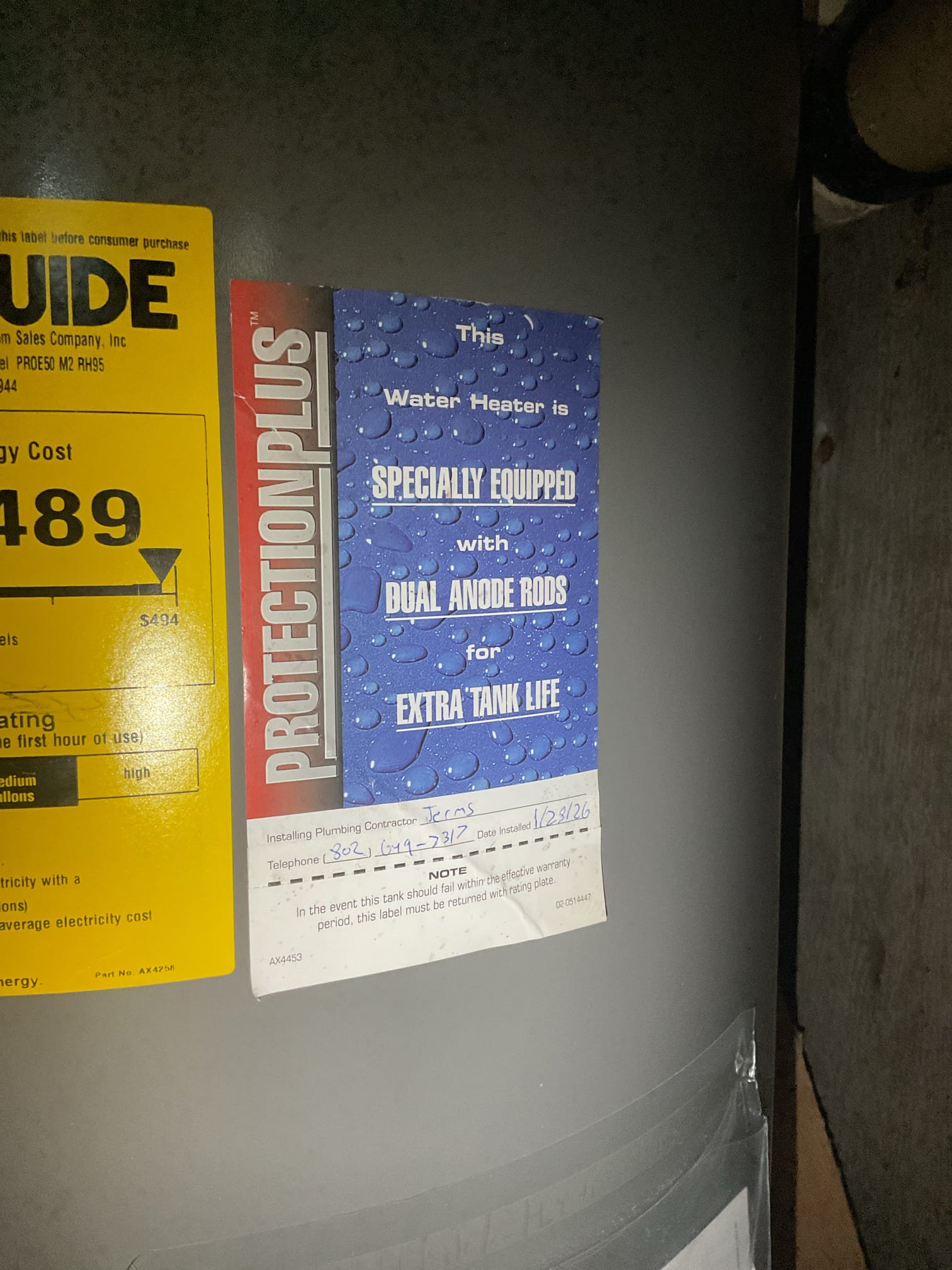
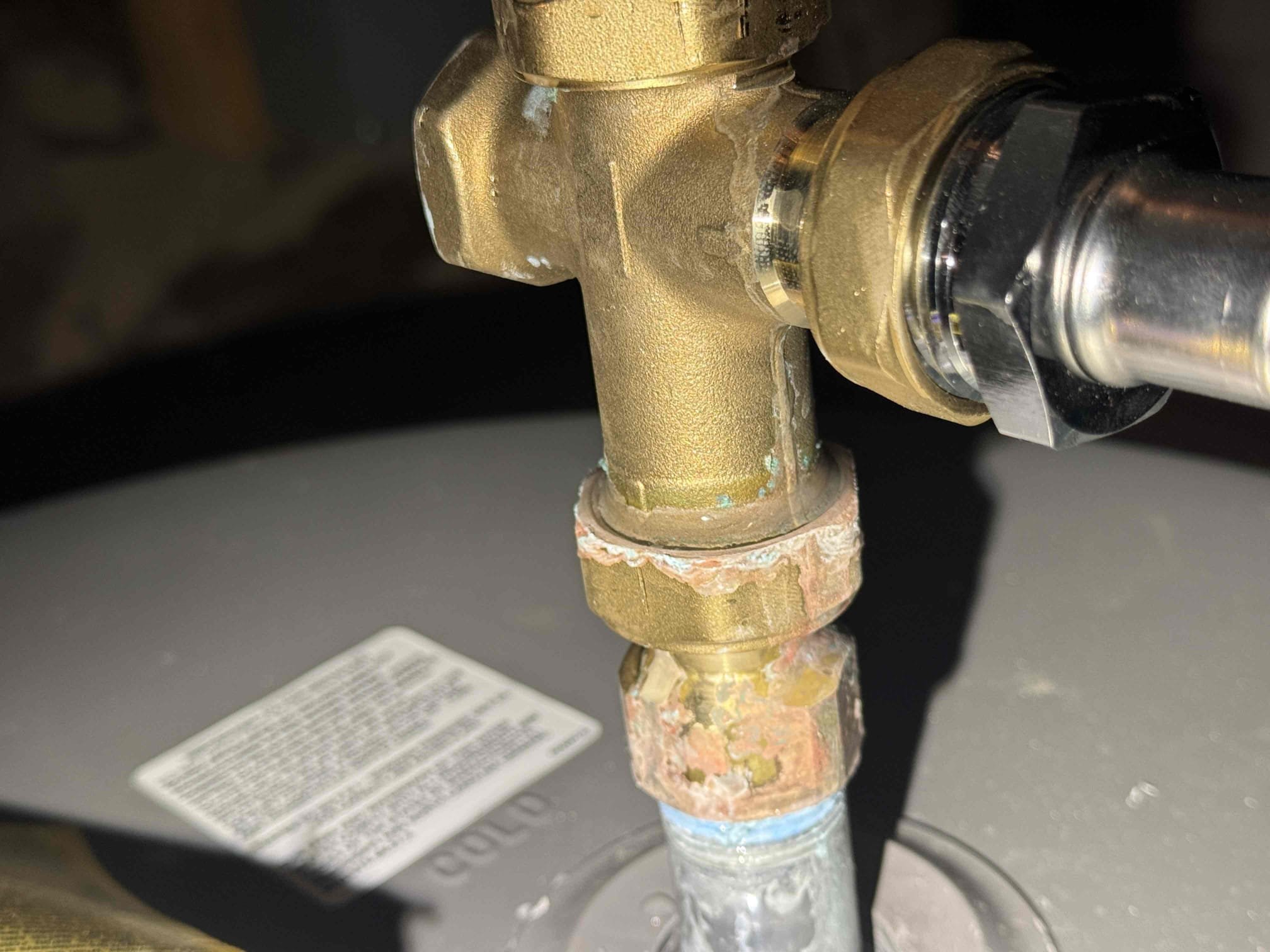
The existing 40-gallon water heater was found to be failing and no longer operating reliably. It was replaced with a new 50-gallon Rheem water heater to restore dependable hot water, improve efficiency, and ensure safe, consistent performance. We installed a 4 year warranty extension kit, to extend the factory warranty to 10 years total. As part of the installation, a new electrical box was installed on the wall and properly sealed with a watertight connection to protect the electrical components and meet safety standards. A mixing valve was installed on top of the water heater and set to 4.5 which is equivalent to 120 degrees Fahrenheit, this is Vermont’s anti scolding temperature. All work was inspected for leaks, and functionality. At this time there are no leaks, and the water heater is operating as it should.

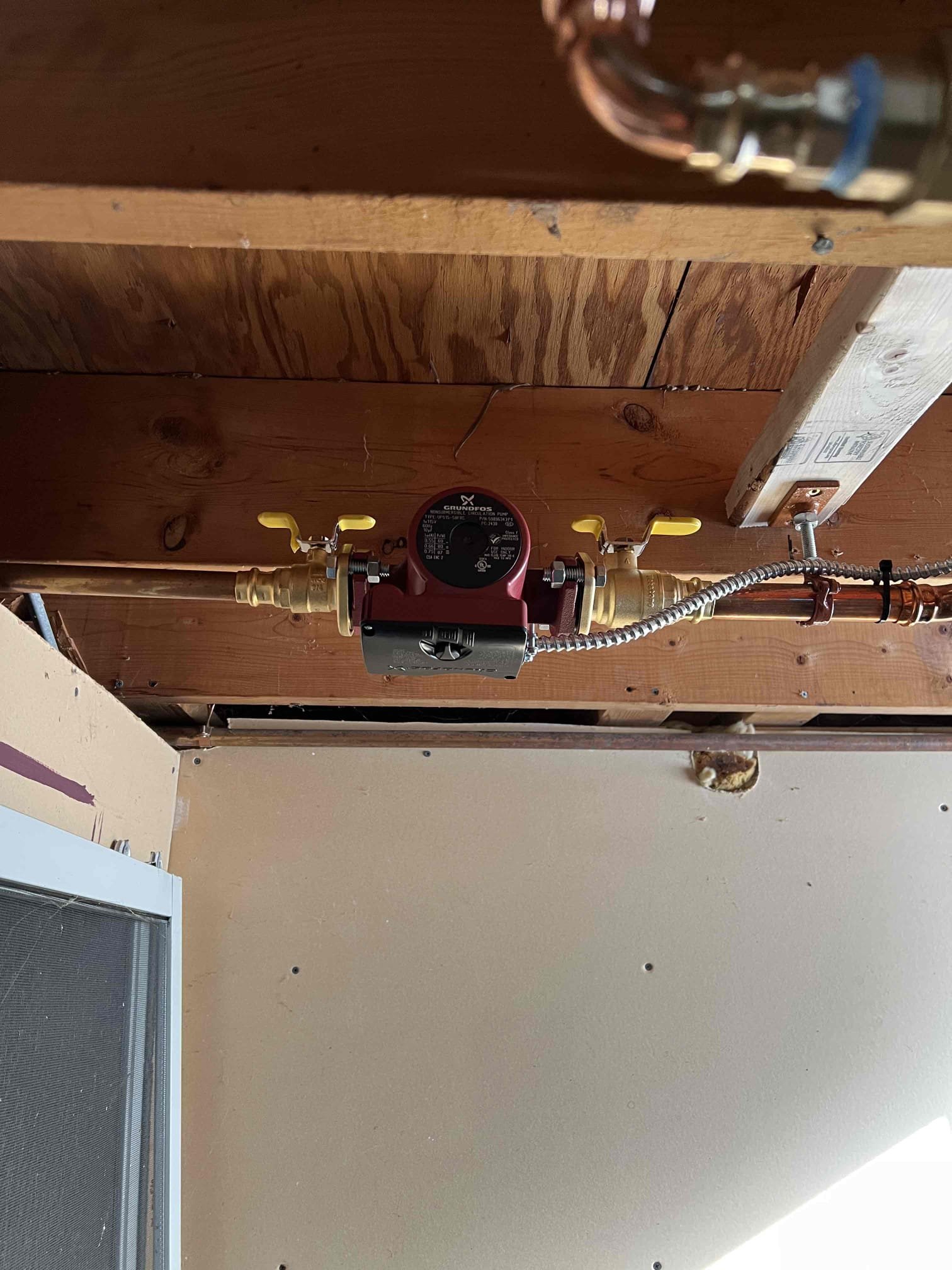
Arrived onsite to investigate insufficient heat on a recently installed propane boiler. The system was equipped with a smart circulator, which was displaying a yellow warning light indicating reduced operation. Possible causes include air in the system, low flow, a restriction, or low system pressure. System pressure was within normal range and no air was detected in the system. I replaced the smart circulator with a Grundfos three-speed circulator and verified proper operation. The system is working properly at this time. This visit is covered under Jerm’s warranty.

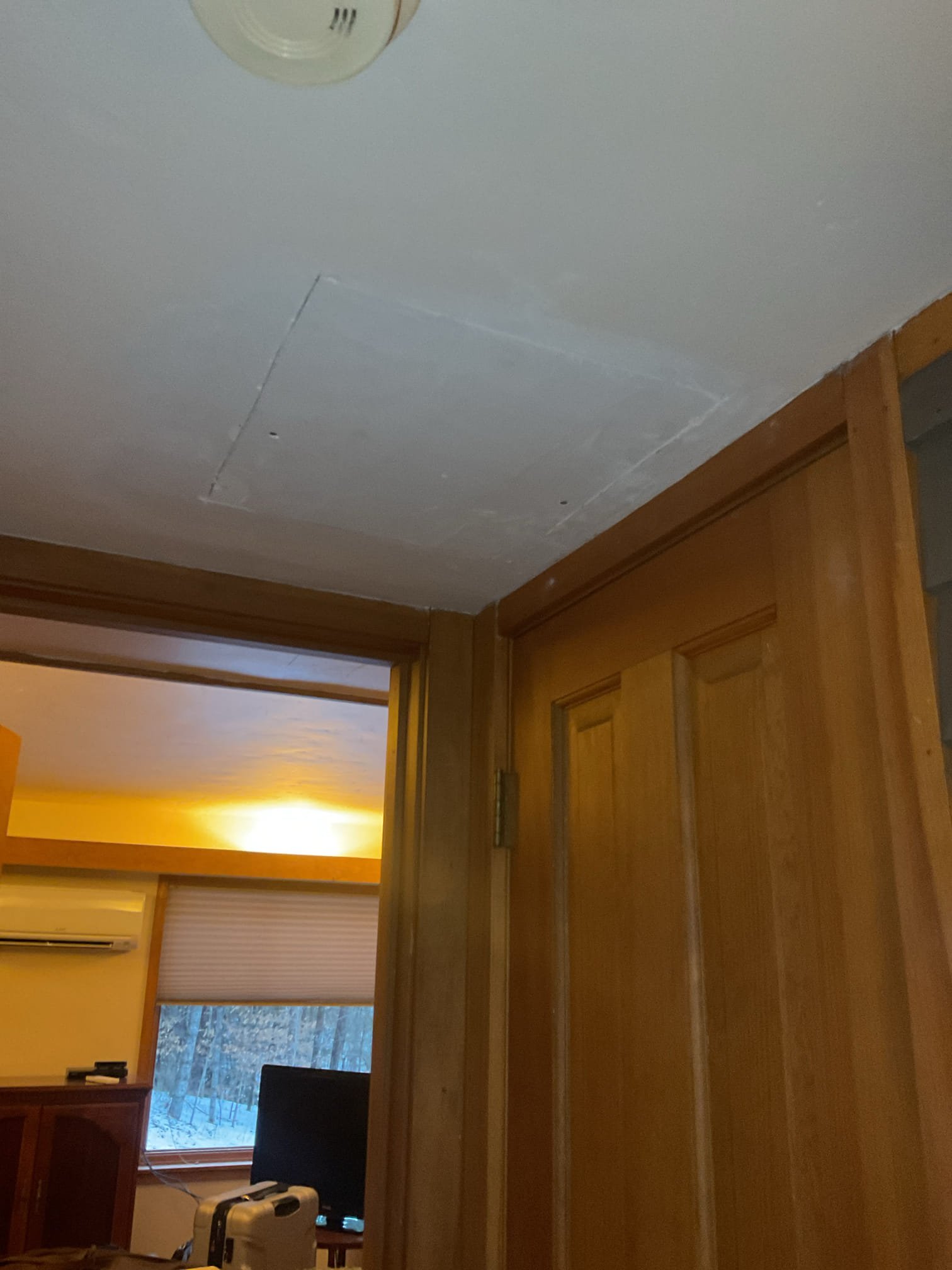
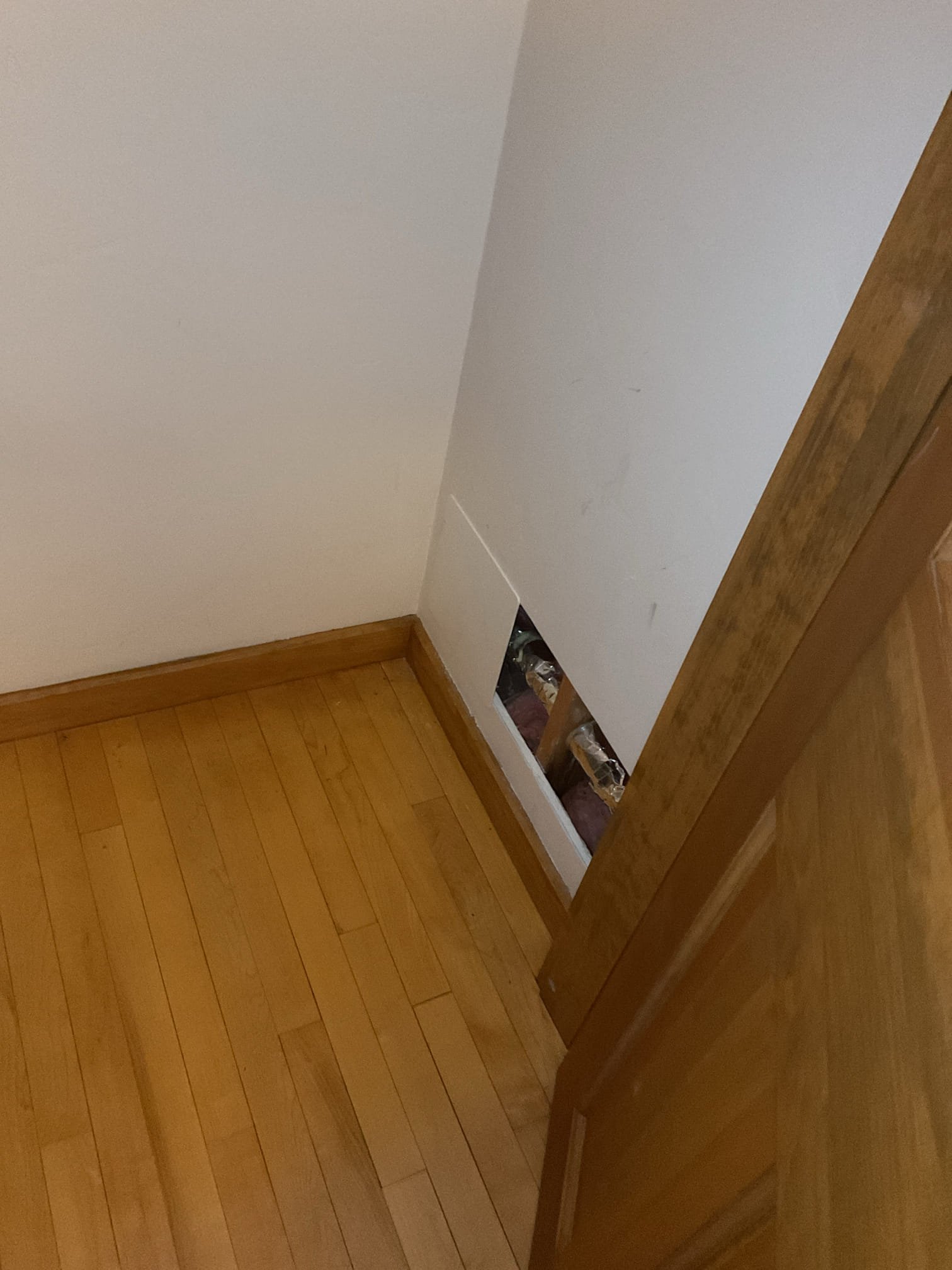
1/12: We identified an active water leak within the wall but could not determine the exact source without gaining access. The wall was opened near the piping serving the outdoor spigot, and based on audible water movement and visible water staining, the leak was determined to be within the wall cavity. An inspection camera revealed multiple failure points in the existing copper line, indicating widespread deterioration. Due to the extent of damage, we recommend replacing the affected section of piping along with the outdoor hose bibb, upgrading to new PEX water lines with proper insulation to improve reliability and prevent future failures. The leak was isolated using shutoff valves, and the replacement work is scheduled for a later date due to time constraints. The customer was also enrolled in Jerm’s Home Care Club membership program. 1/22 Upon inspection, the exterior hose bib and an attached section of copper piping were found to have burst due to freezing. We recommended replacin

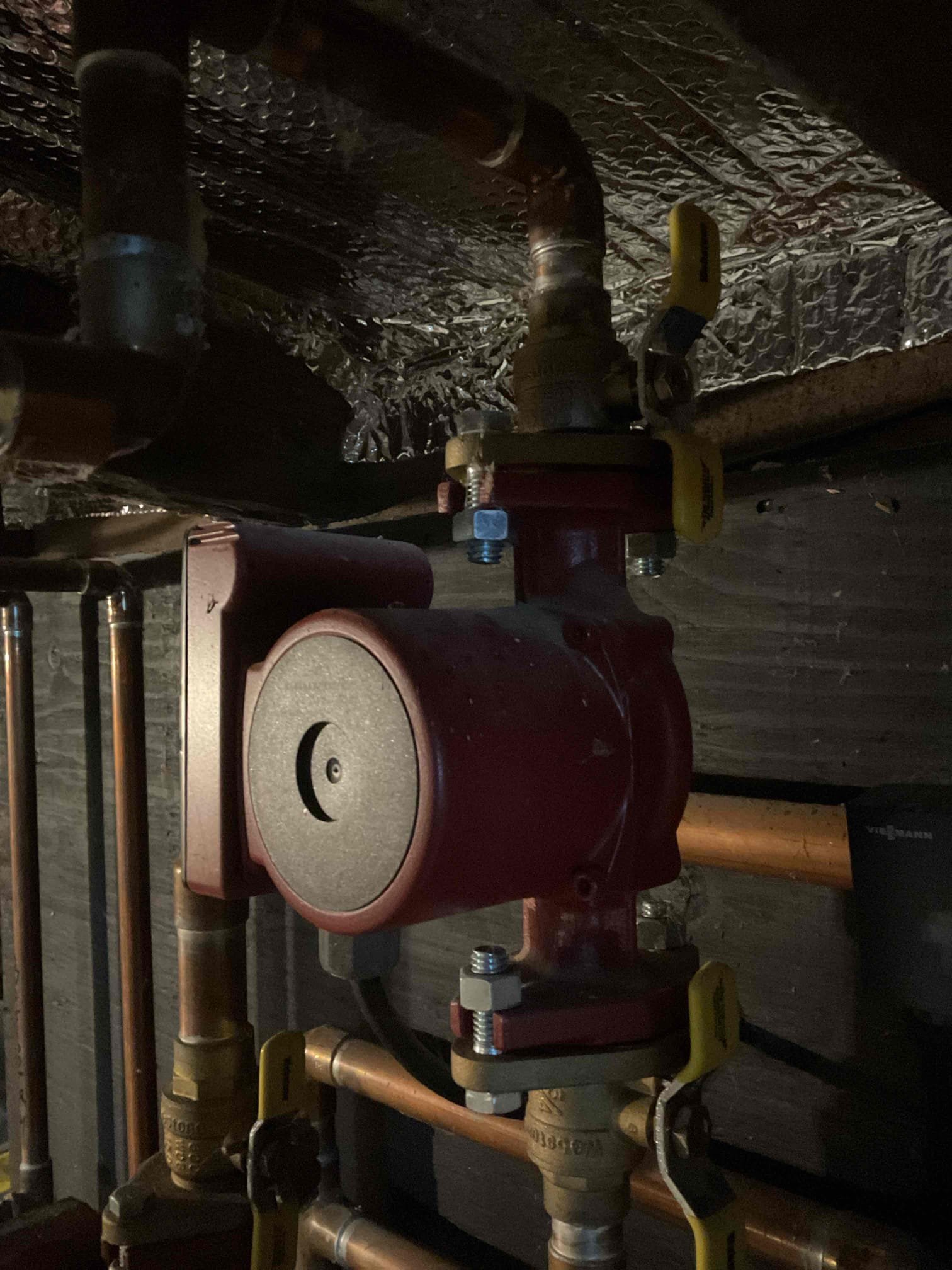
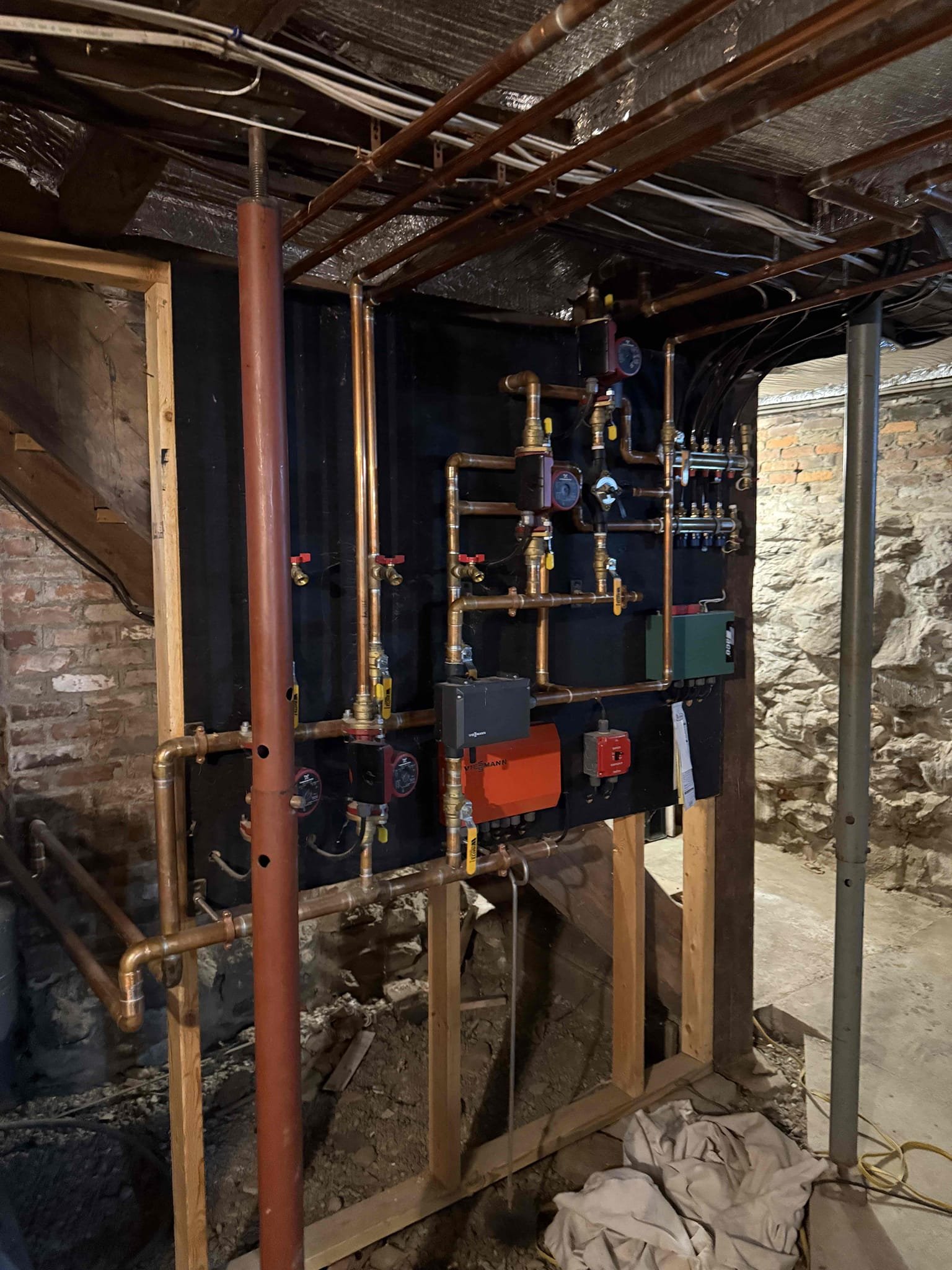
The customer reported that the kitchen was not heating properly. Upon inspection, I found that the circulator serving the radiant manifold was not circulating water and had failed. The circulator was replaced, and all associated zones were purged. A significant amount of debris was removed during the purging process. After completion, the zones were circulating correctly and are now returning hot water.

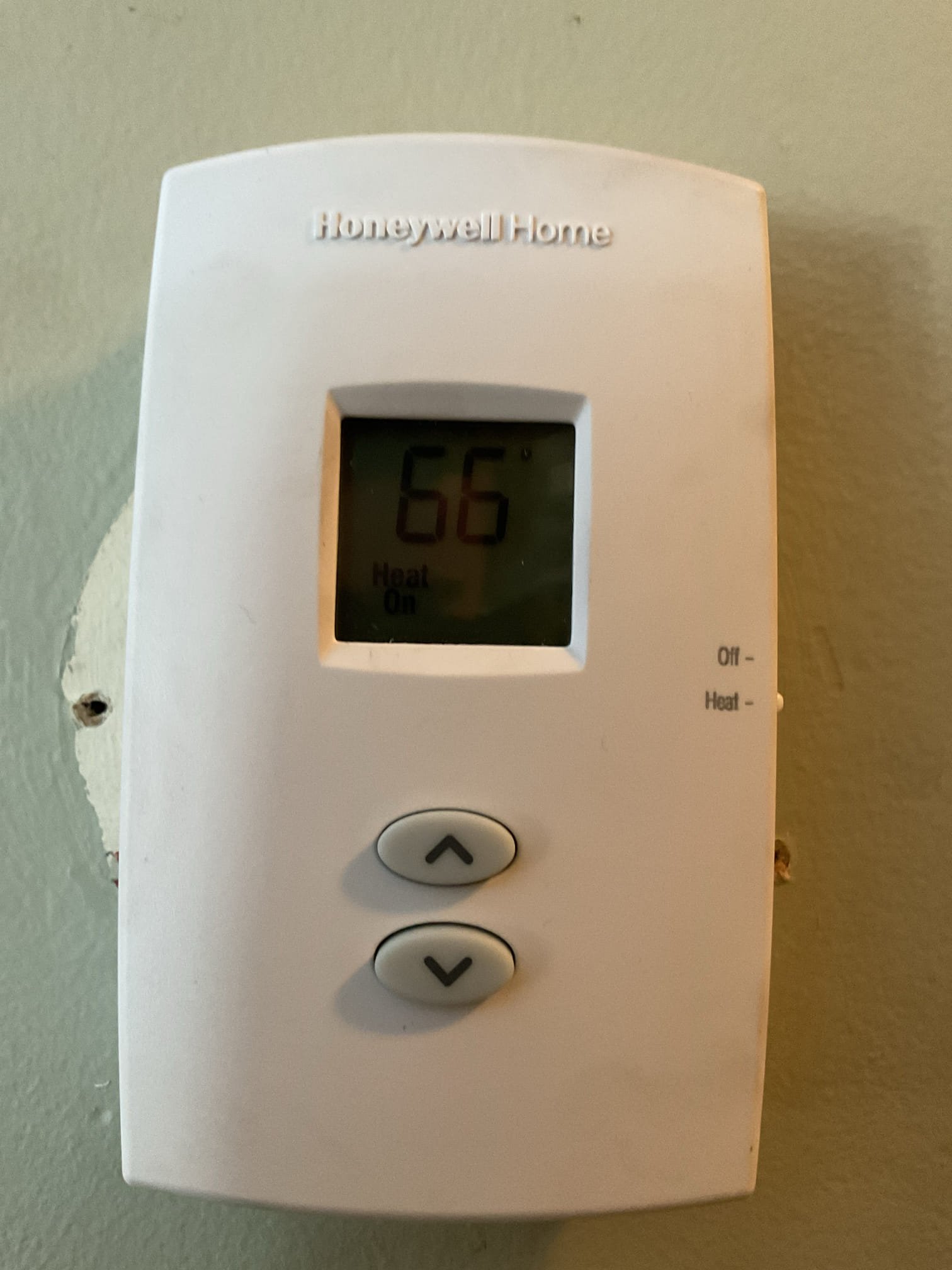
Arrived on site to see why boiler would not heat up 67. Upon inspection, we found that sometimes the thermostat display would just go blank. The thermostat had no batteries that could be installed in it. Every couple button presses would turn the thermostat off as well. Replaced thermostat with a simple heat only thermostat. Wired it up and ran the system. It is operating properly at this time. If Jackie continues to have problems the basbeboards may need to be cleaned. The whole house is on one zone and the boiler itself is operating properly.
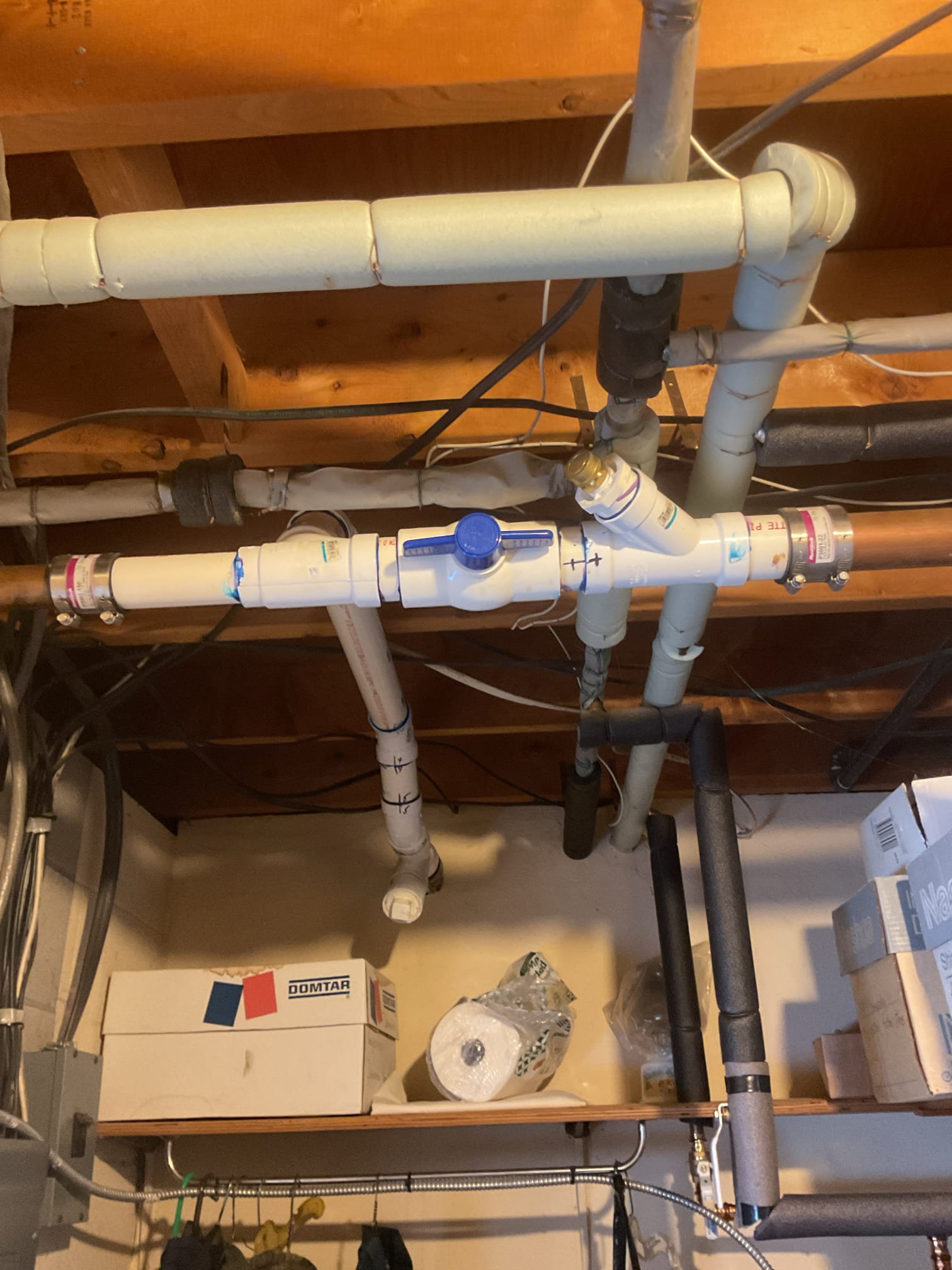
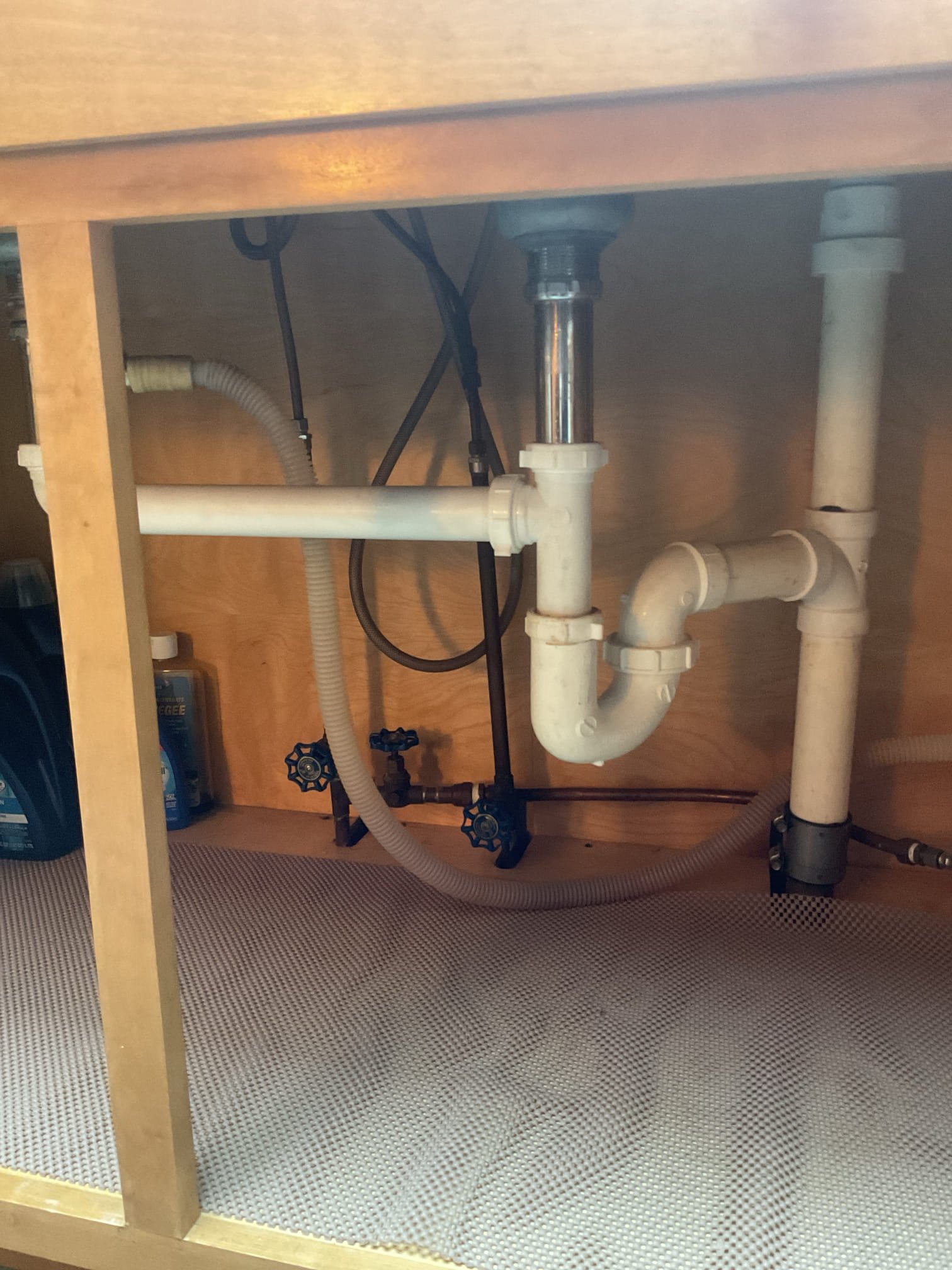
For this job, we attempted to clear the blockage in the kitchen sink drain and restore proper drainage and functionality. After clearing the drain, the sink was thoroughly tested to verify proper flow, and the entire drain system was inspected for leaks or any additional issues. The service was performed as an attempt to clear the drain, and at the time of completion the kitchen sink was draining as it should, with no leaks present and normal operation restored.

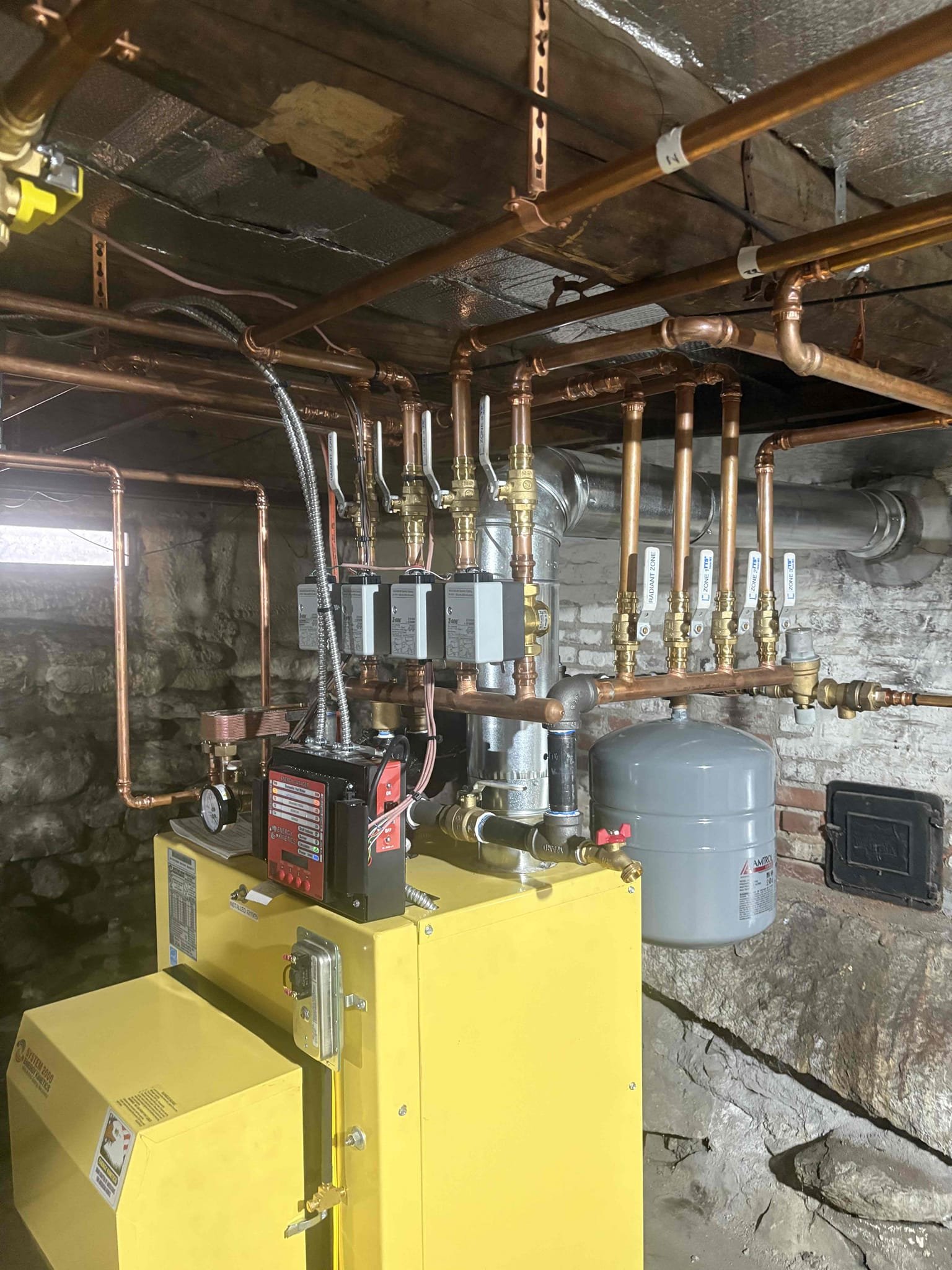
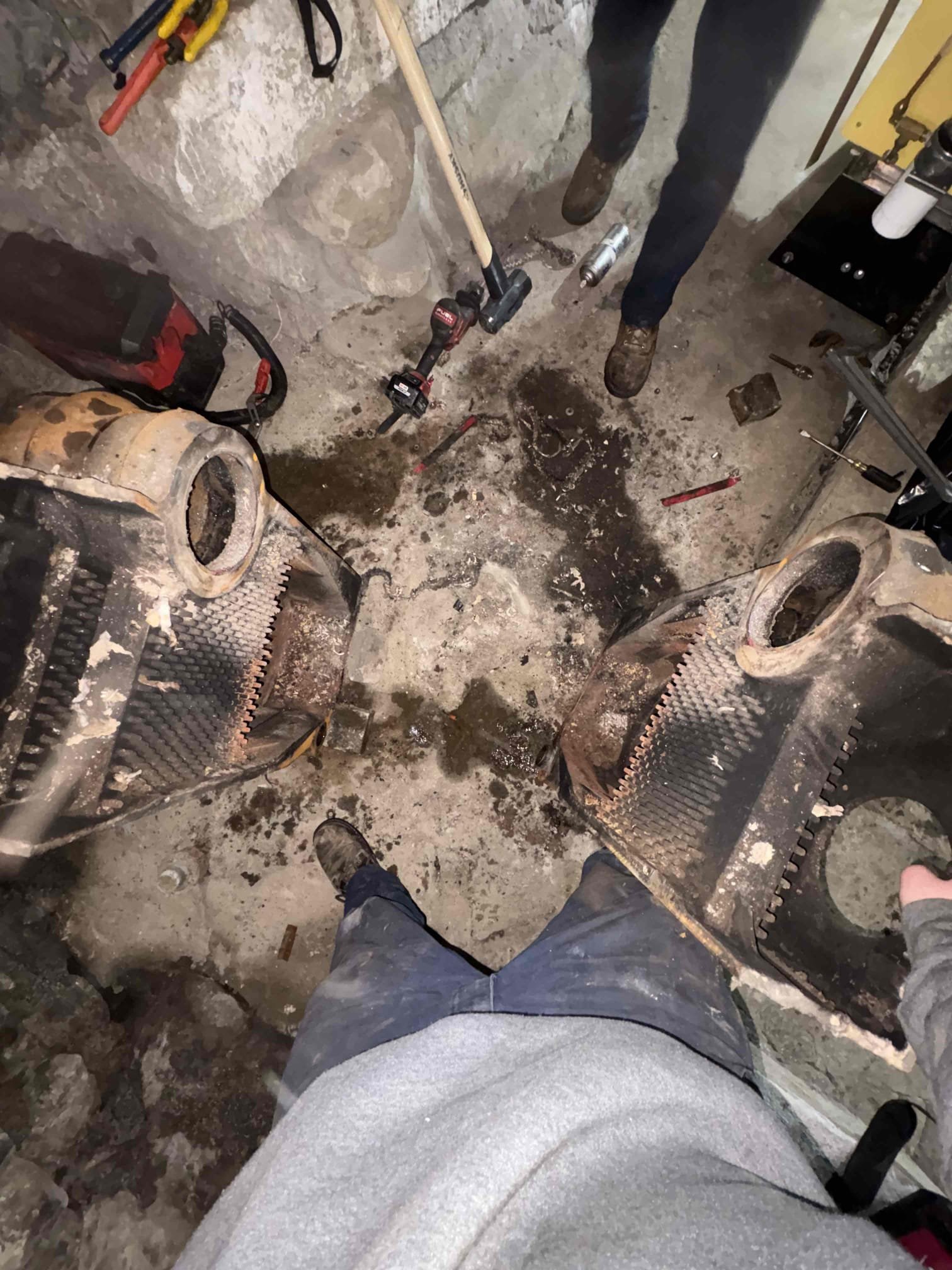
Disassembled and removed the old boiler from the basement. Cleaned the surrounding area and removed all associated components from the site. Jim reported hearing air in the first-floor piping. The first-floor zone was thoroughly purged, and an air pocket was identified and removed. Verified proper circulation with no remaining air noise in the piping. Confirmed proper operation of both upstairs and downstairs thermostats; each calls independently and responds as designed. The system is operating properly at this time.
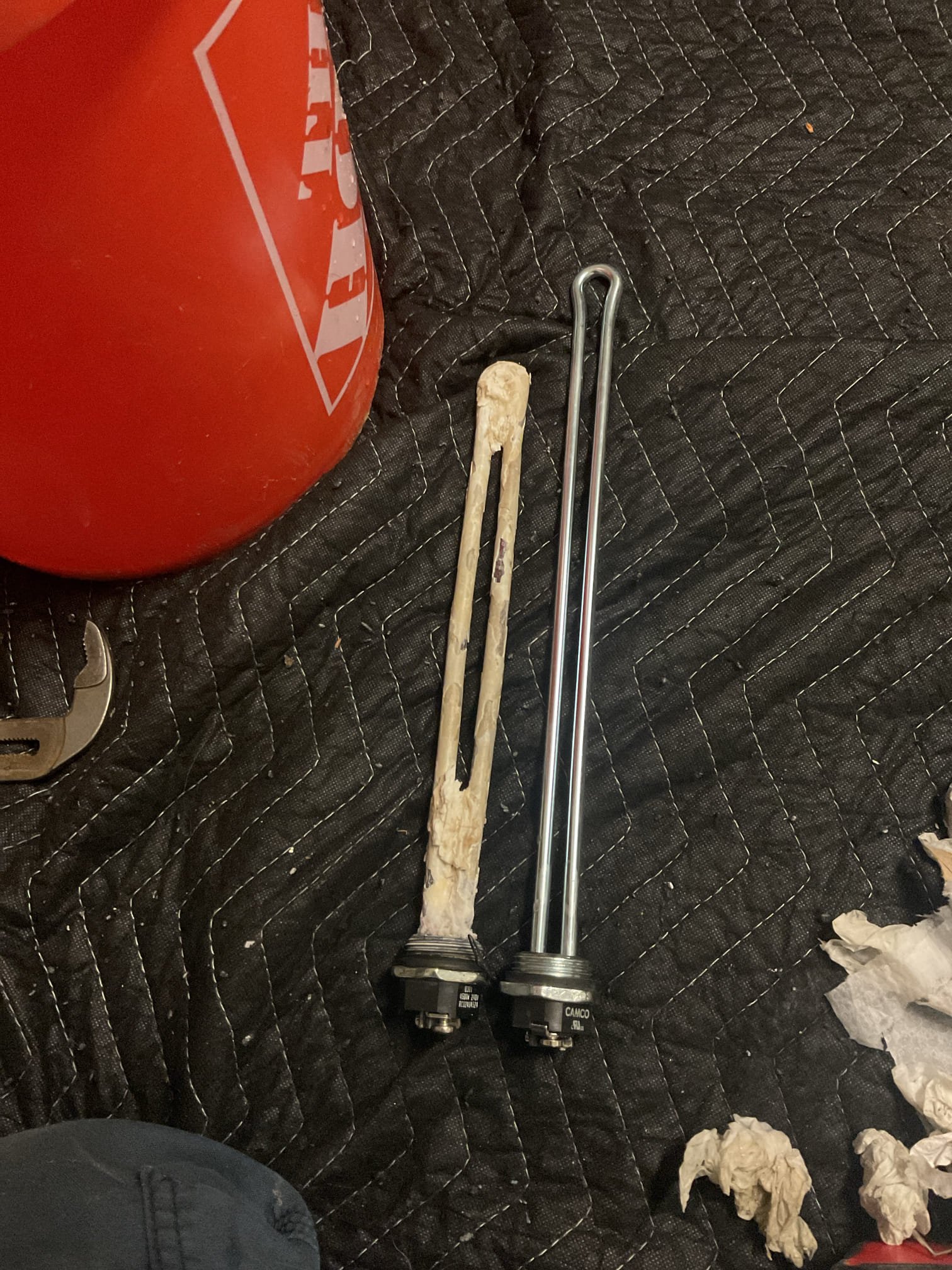
Arrived on site to replace elements in newly installed water heater. We verified power was turned off and removed both upper and lower elements and thermostats. The elements that were installed were heavily covered in calcium. We installed new thermostats and elements. We recommended to Ann that we have a plumber come out and take a look at the water treatment system as there may be something going on with it. Warranty - no charge
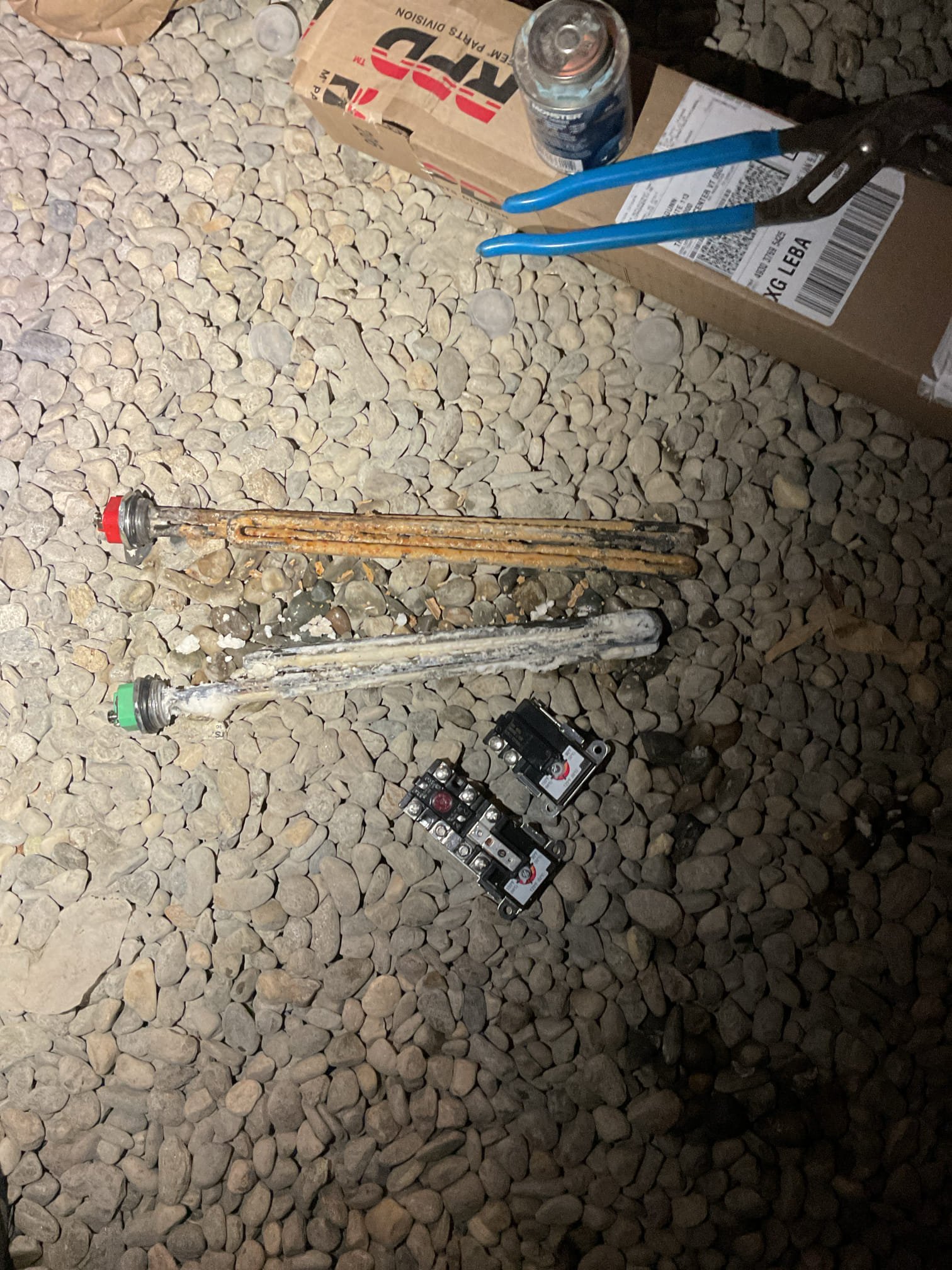
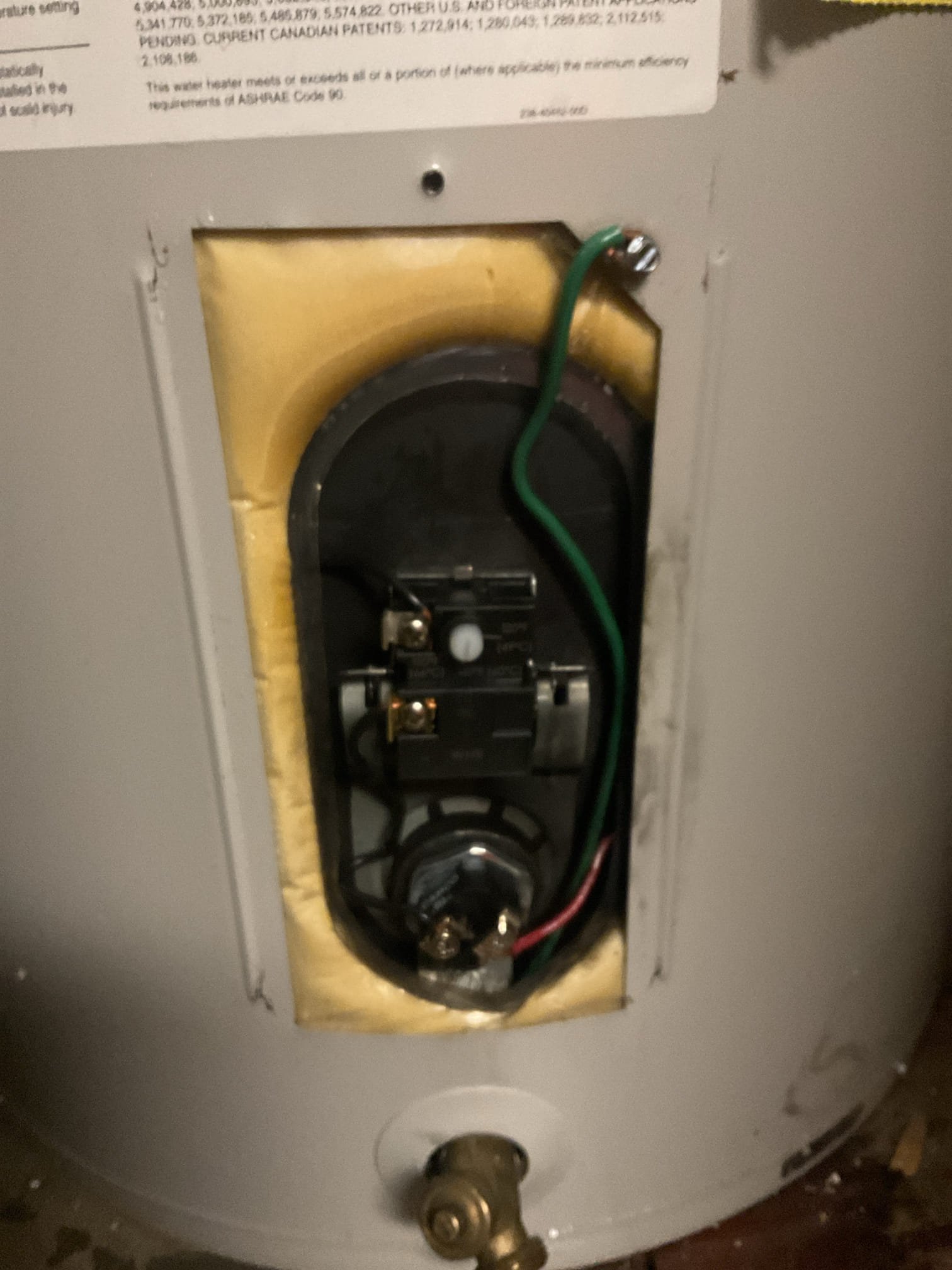
The homeowner reported a loss of hot water following a recent replacement of the lower heating element. Upon arrival, we found the safety reset on the upper thermostat had tripped, indicating a likely failure of the upper heating element and weakened thermostats. We recommended a full thermostat rebuild, including replacement of the remaining heating element and both thermostats, to restore efficient operation, improve performance, and extend the service life of the water heater. Water was shut off and the tank was drained below the upper element to complete the repairs. The upper element was found to be heavily coated with calcium buildup, which likely contributed to the failure. Both upper and lower thermostats were replaced, the unit was refilled, air was purged from the system, and power was restored. Proper operation was confirmed with the upper element heating and warm water verified at the fixture prior to departure.
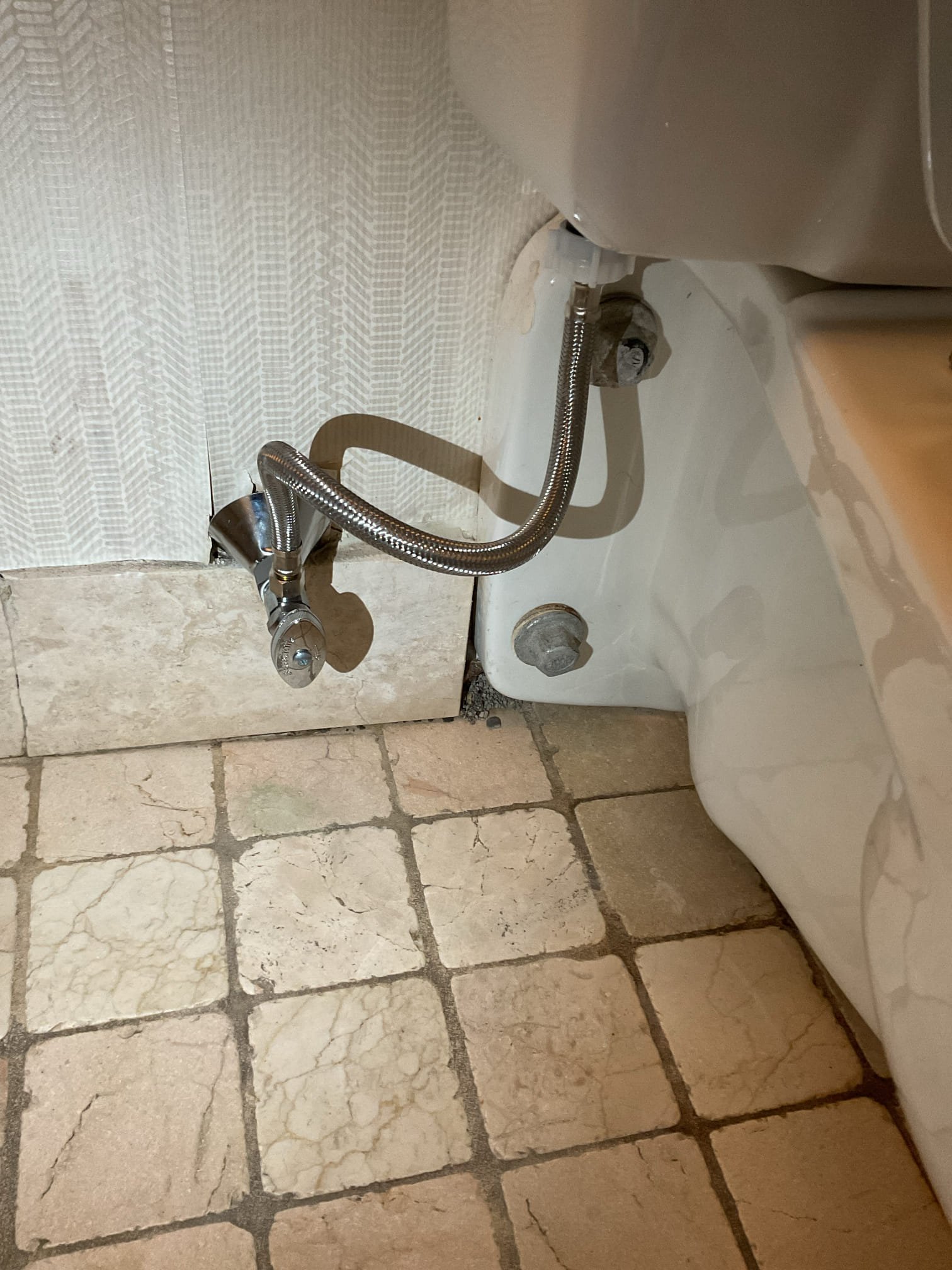
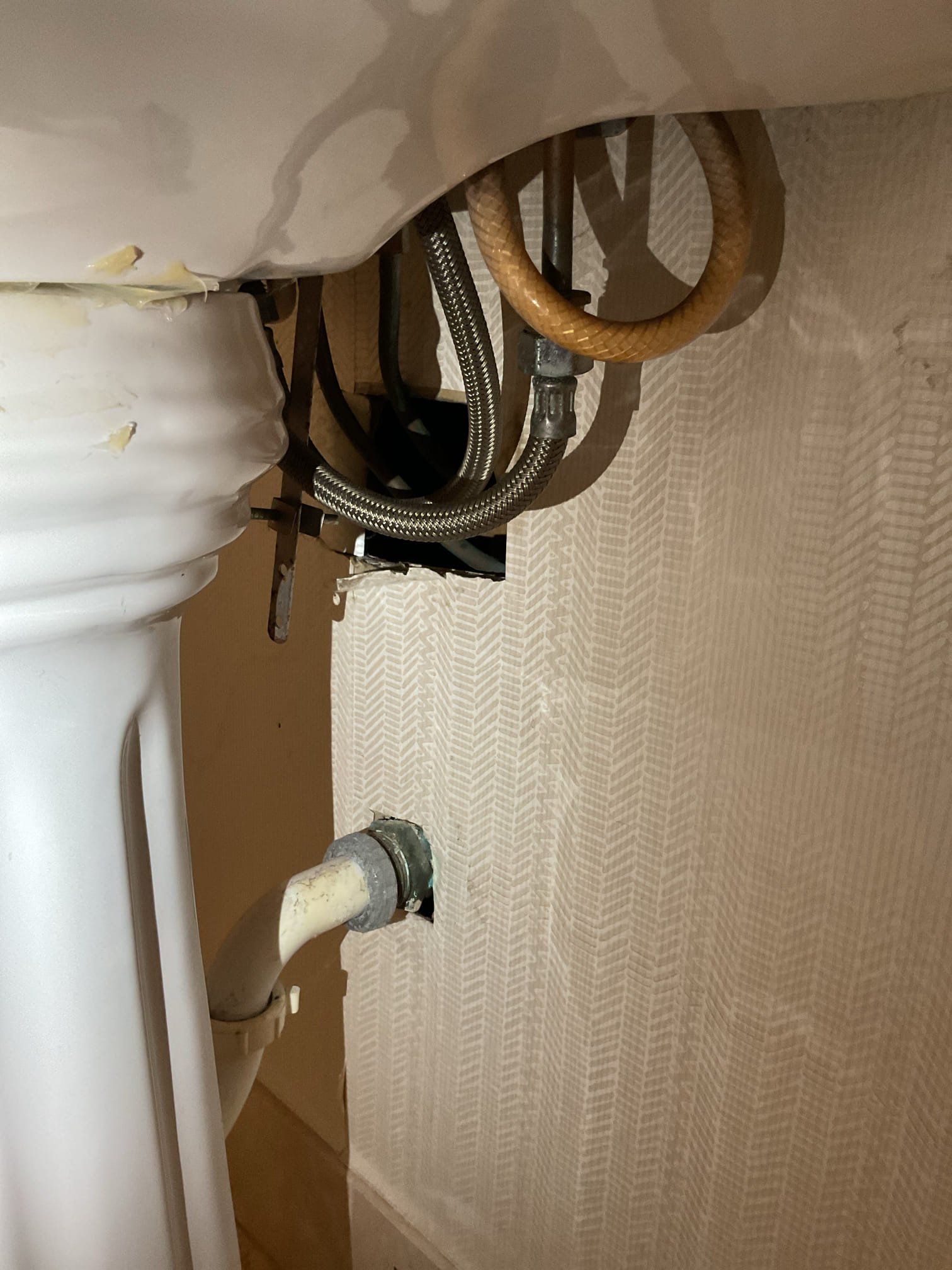
For this job, we drained the home’s water system and removed the existing flexible hose connected to the toilet stop. A new copper water line was properly stubbed out, and a new shut-off valve was installed to ensure reliable operation and long-term durability. During the process, we discovered acorns blocking the house connection, along with four additional acorns lodged in the water line. All obstructions were cleared, restoring proper water flow. The toilet supply was hard piped, and the toilet is now working as it should. Upon completion, the system was tested to verify proper operation and confirm there are no leaks. A return visit will be required to rework the lavatory supply lines due to a kink in the cold-water line; a separate estimate for this work will be sent via email.
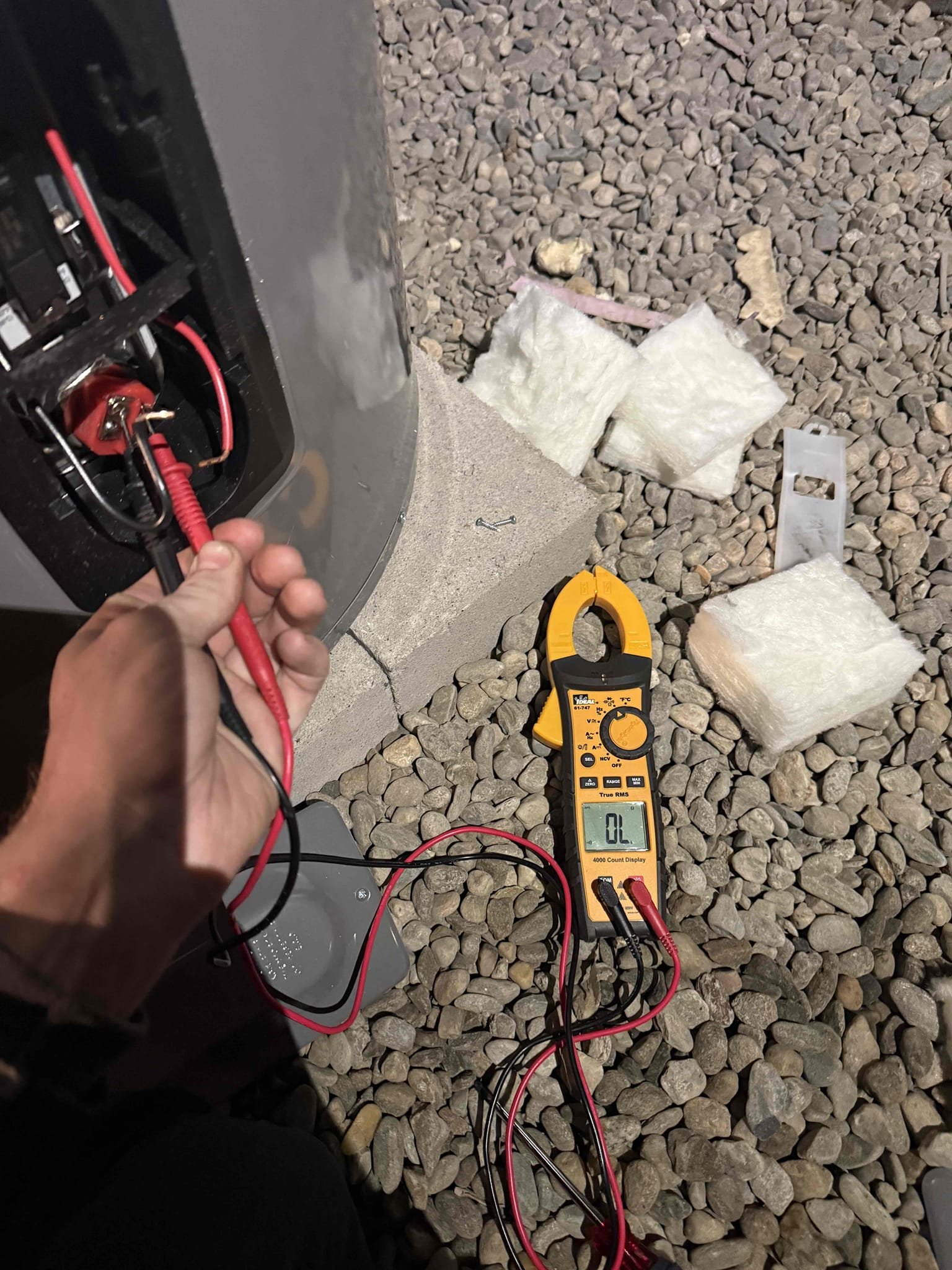
The customer reported a lack of hot water after recently installing a new water heater. The homeowner stated that when the breaker was reset, it would trip again shortly afterward. Upon arrival, I reset the breaker and confirmed that it immediately tripped. I removed the access covers and checked the resistance of the heating elements. The upper element tested at 15.2 ohms, while the lower element tested open (OL). A ground check was performed on the lower element, and no continuity to ground was found. I contacted Rheem Technical Support to review the findings. Based on the diagnostics, they advised that both the upper and lower heating elements will be sent to the customer under warranty. The customer will notify us once the replacement elements arrive so installation can be scheduled. The system was left powered off at this time.
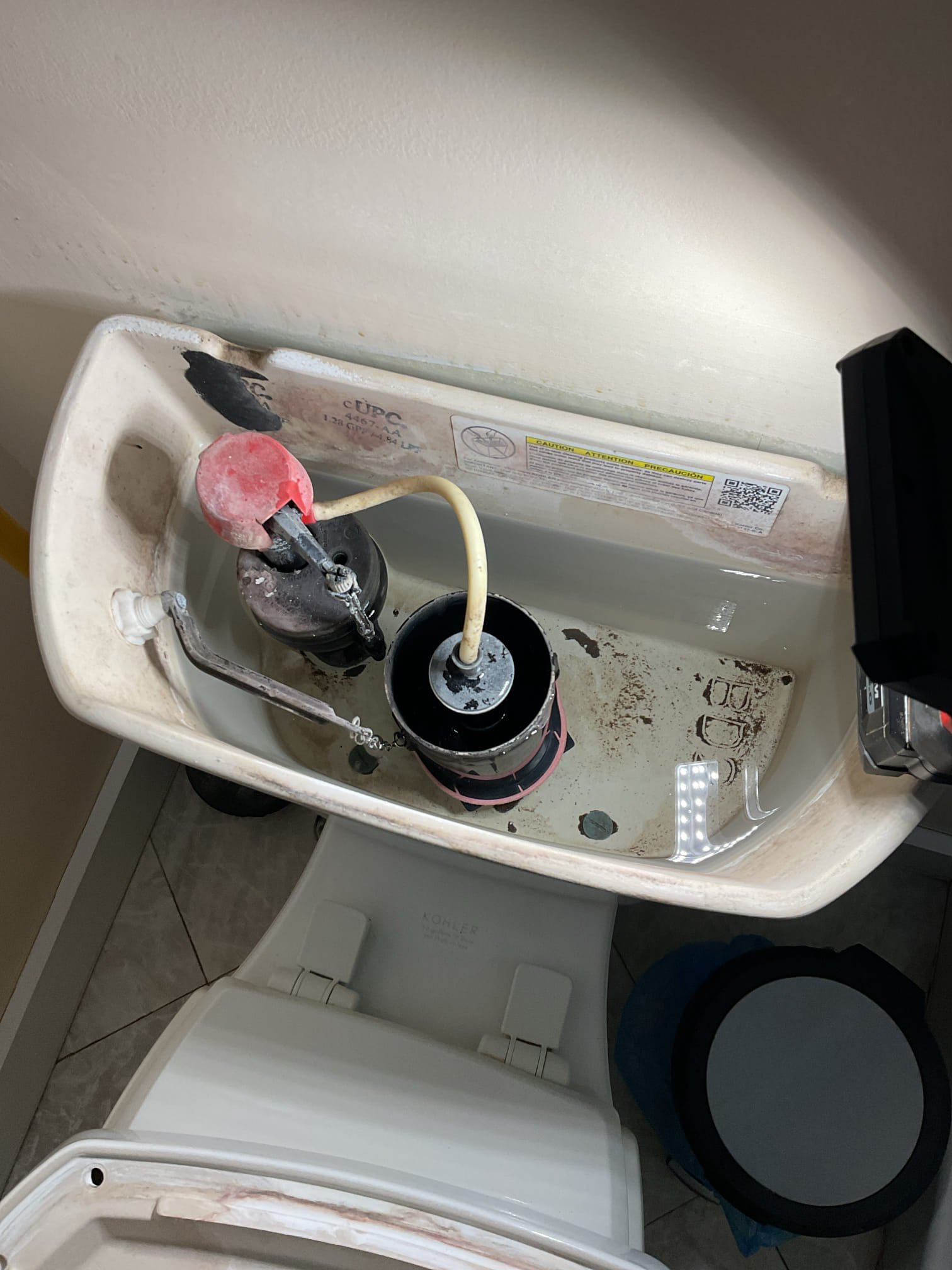
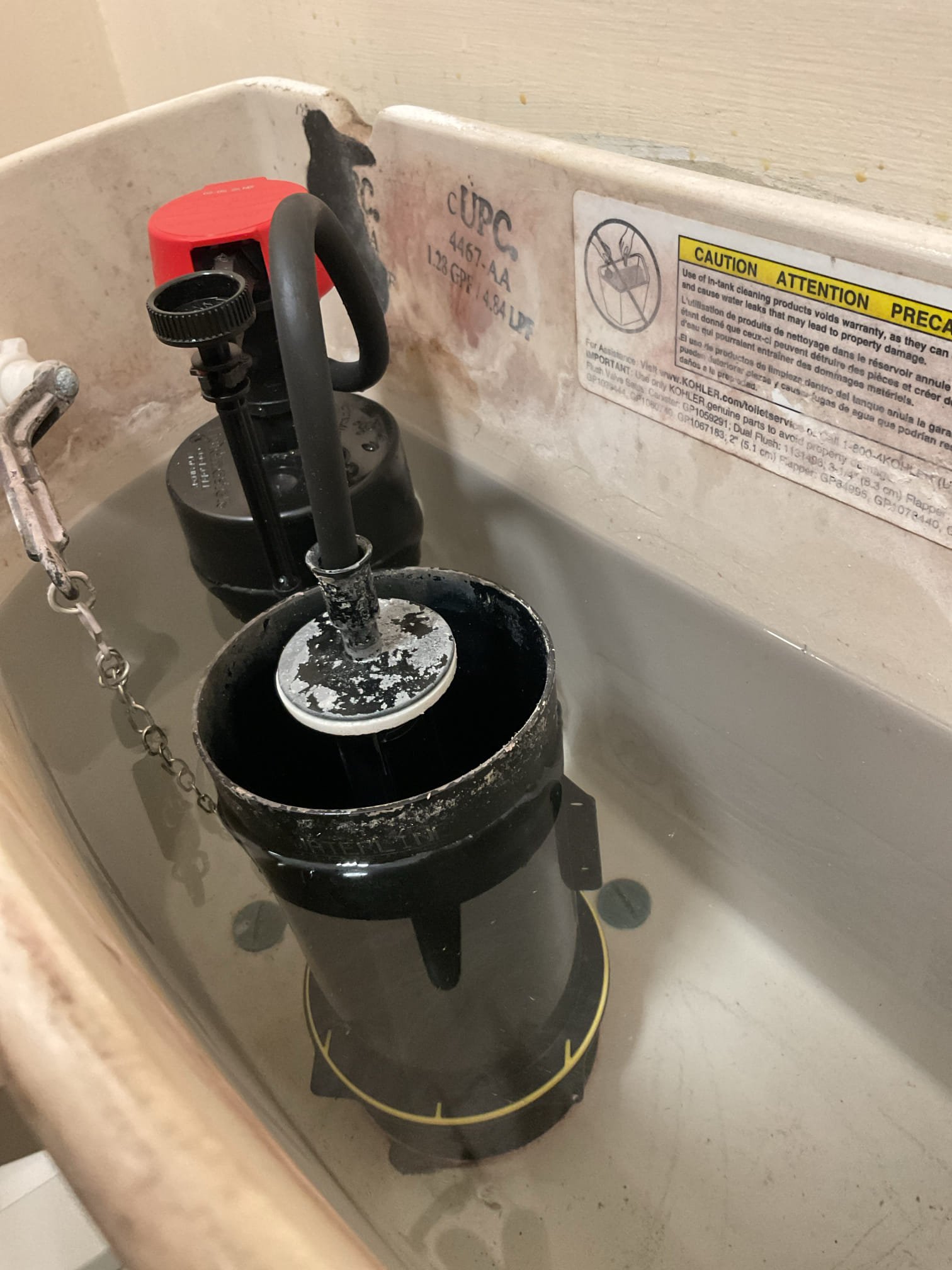
The Kohler toilet was experiencing inconsistent flushing due to worn internal components caused by hard water buildup. Upon inspection, the flush seal was found to be deteriorated and no longer providing a proper watertight seal, and the fill valve was malfunctioning due to calcium buildup, contributing to constant running water. The water supply to the toilet was shut off and the tank was drained, after which the flush seal, fill valve, and supply line were replaced. The system was restored and tested, confirming proper operation with no leaks present; a dye test was performed and verified a complete seal with no water transfer to the bowl after 20 minutes.
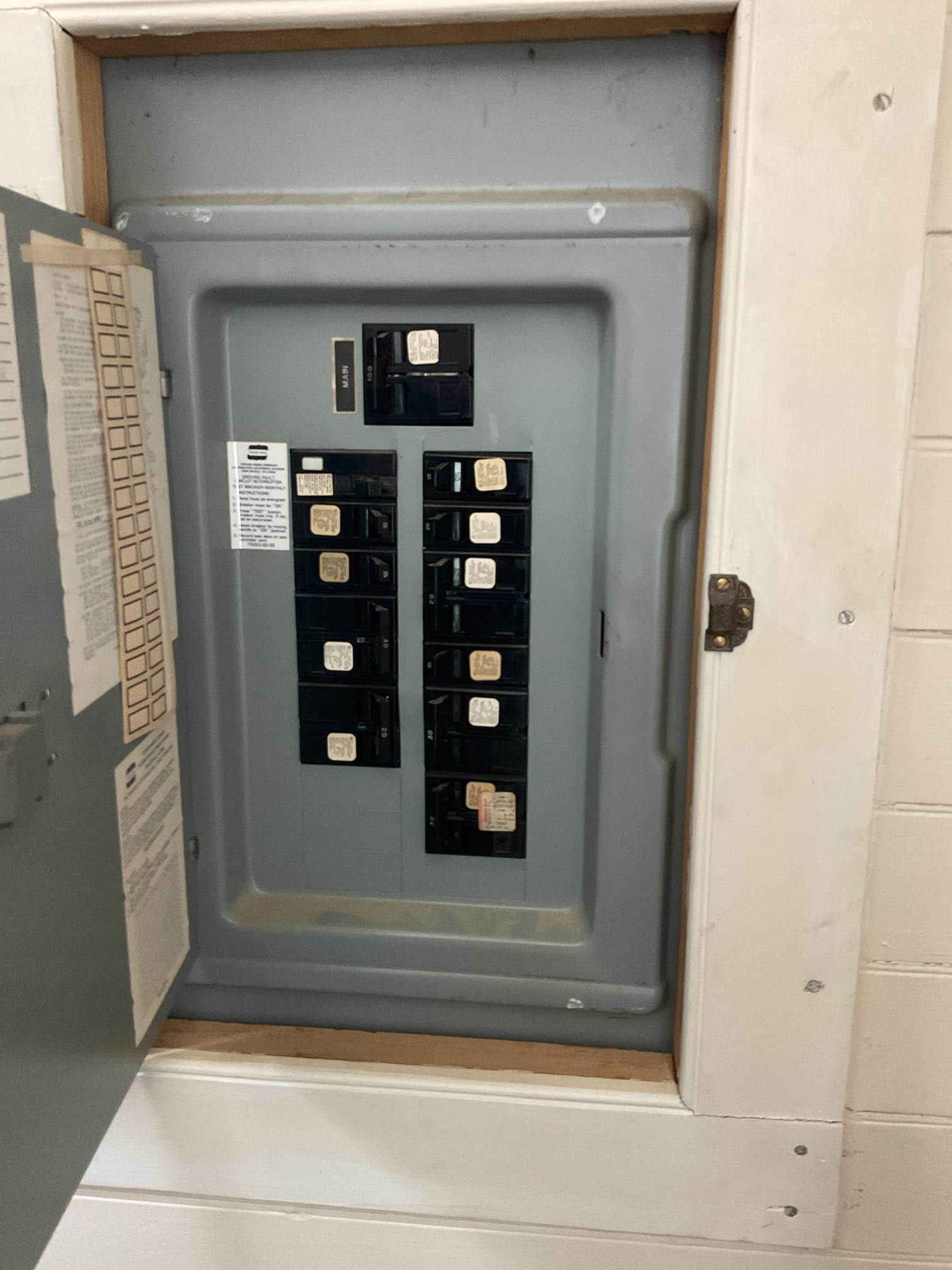
The homeowner reported that hot water was not sustaining during shower use. Upon inspection, it was observed that the water lost heat within the first five minutes and that reduced water temperature was also present at other fixtures. Further evaluation of the water heater revealed the unit to be approximately 38 years old, with the lower heating element not functioning, preventing the tank from maintaining an adequate volume of hot water. Due to the age and overall condition of the water heater, replacement of the unit was recommended. The homeowner approved the replacement, to be scheduled for a later date due to time constraints during this visit.
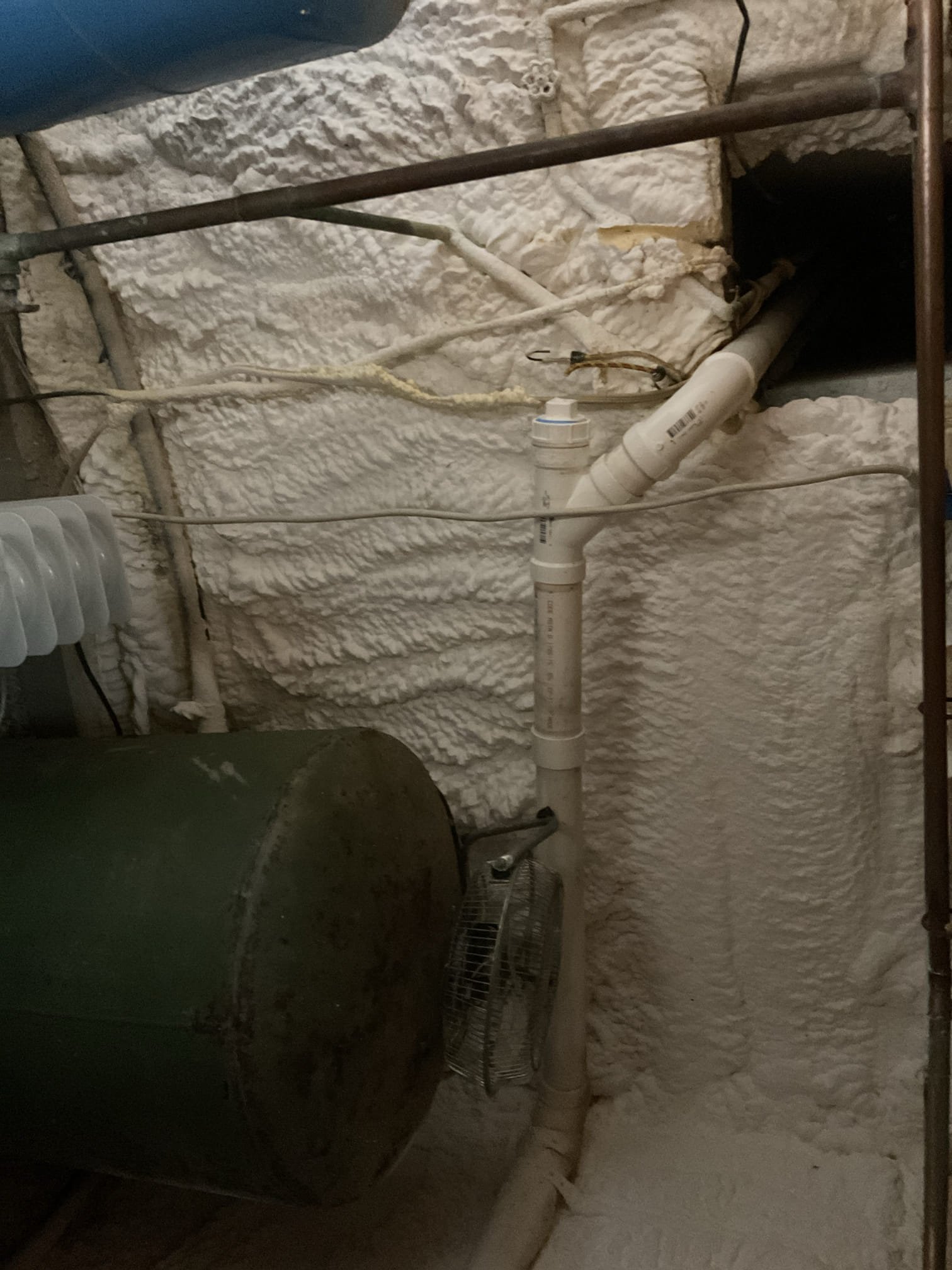
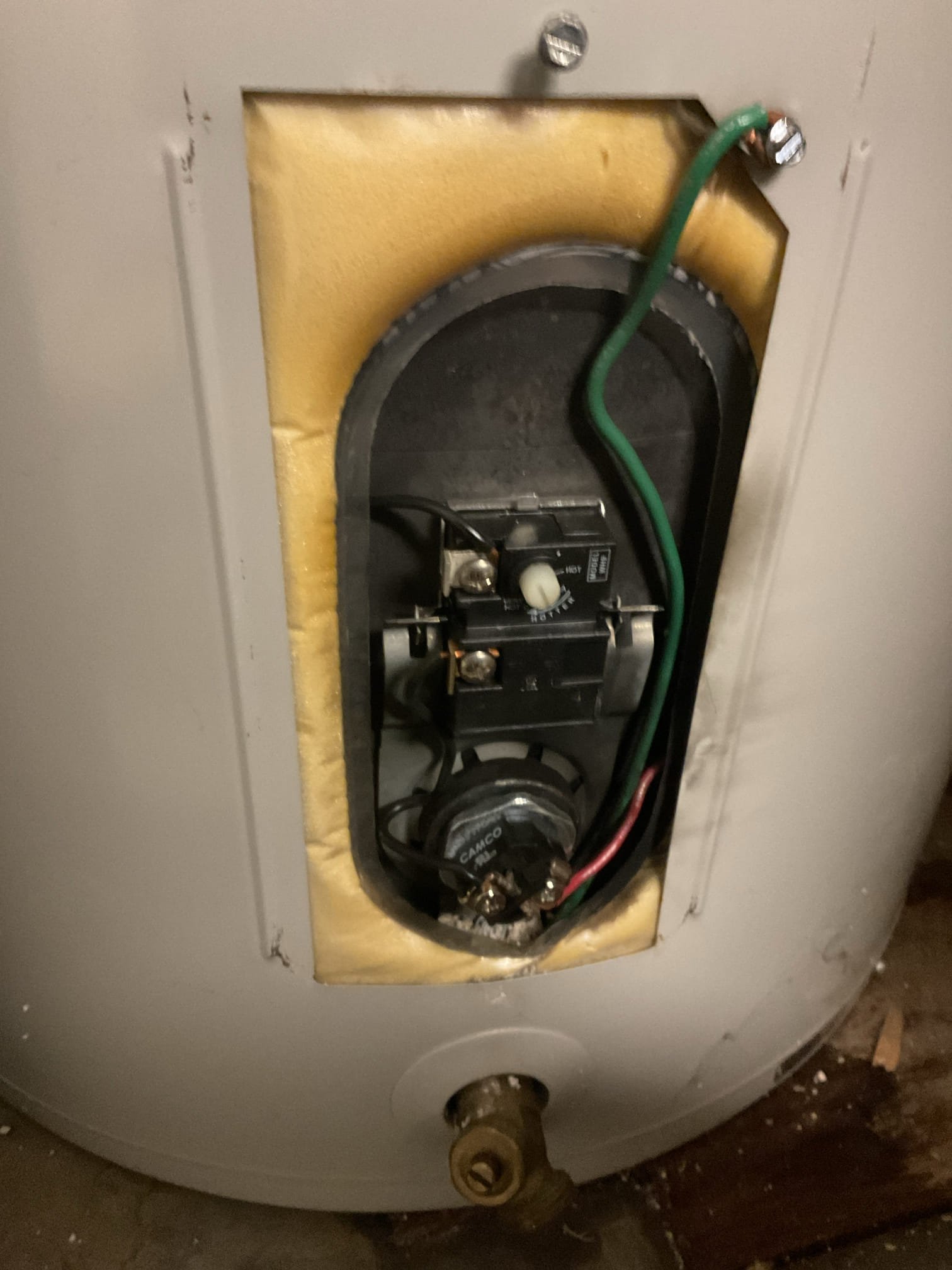
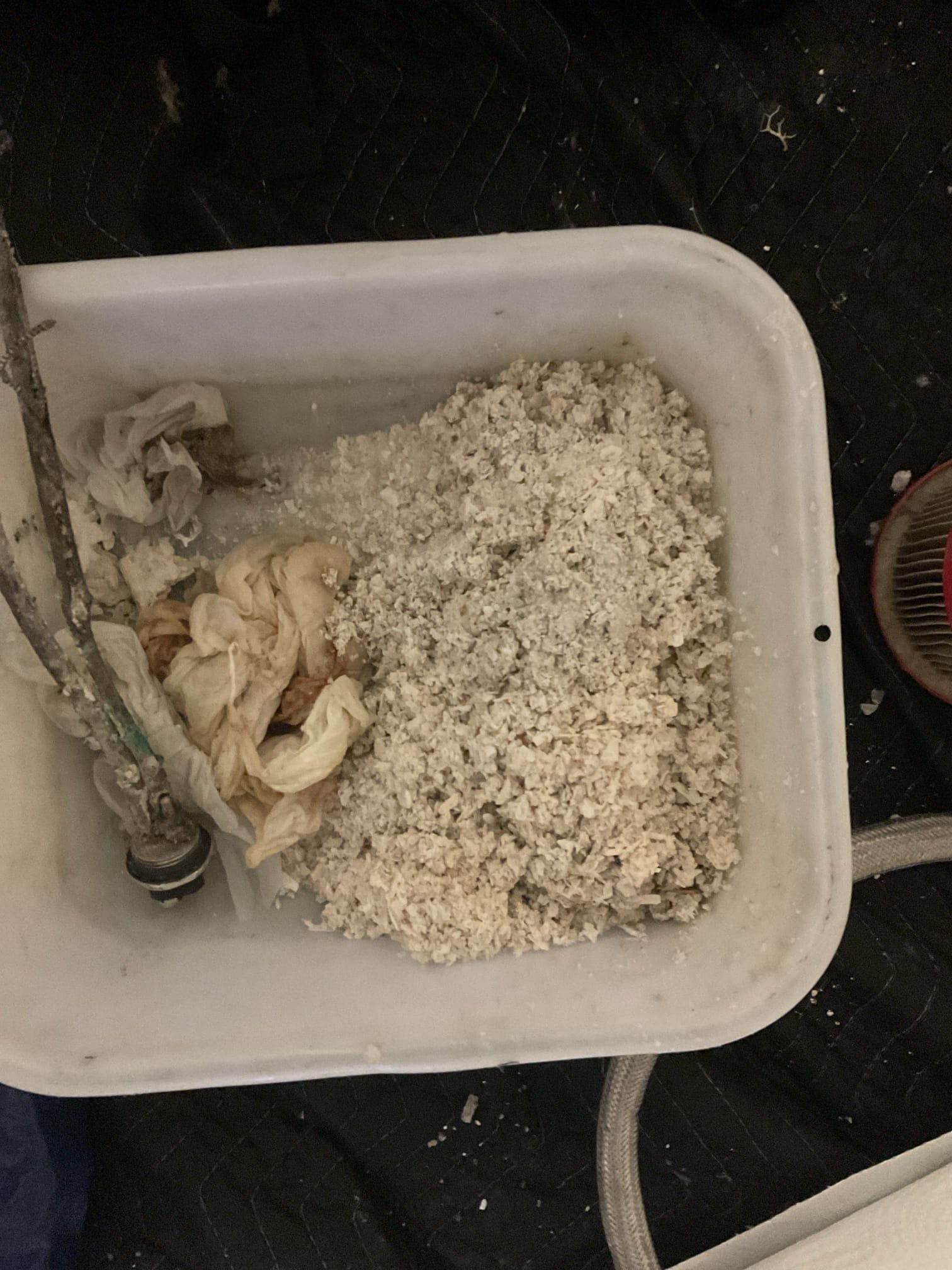
The electric water heater was not producing adequate hot water due to a failed lower heating element and significant scale buildup inside the tank. Upon inspection and discussion of the unit’s condition, it was determined that the lower element—previously replaced approximately four years ago under similar circumstances—had failed again. Due to the age of the water heater and the extent of calcium buildup, replacement of the unit was recommended; however, the homeowners elected to replace the lower element and flush the tank to extend the service life of the existing unit. Power to the water heater was shut off and the tank was fully drained before removing the failed lower element, which was found to be severely deteriorated from calcium buildup, with visible scorching on both the plastic and metal components. The interior of the tank contained heavy scale accumulation above the element level; approximately one gallon of scale was removed using a vacuum. A new lower heating element w

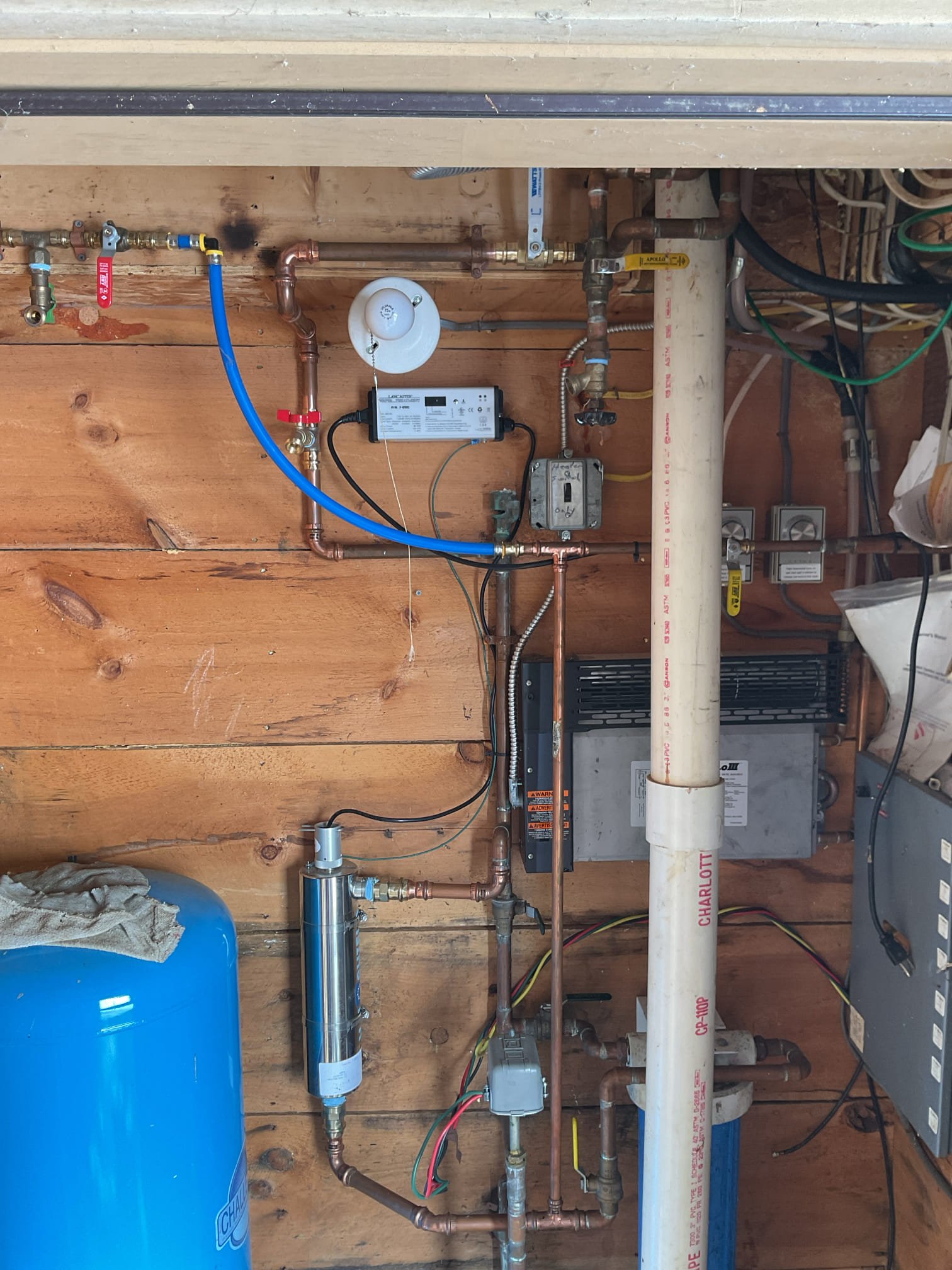
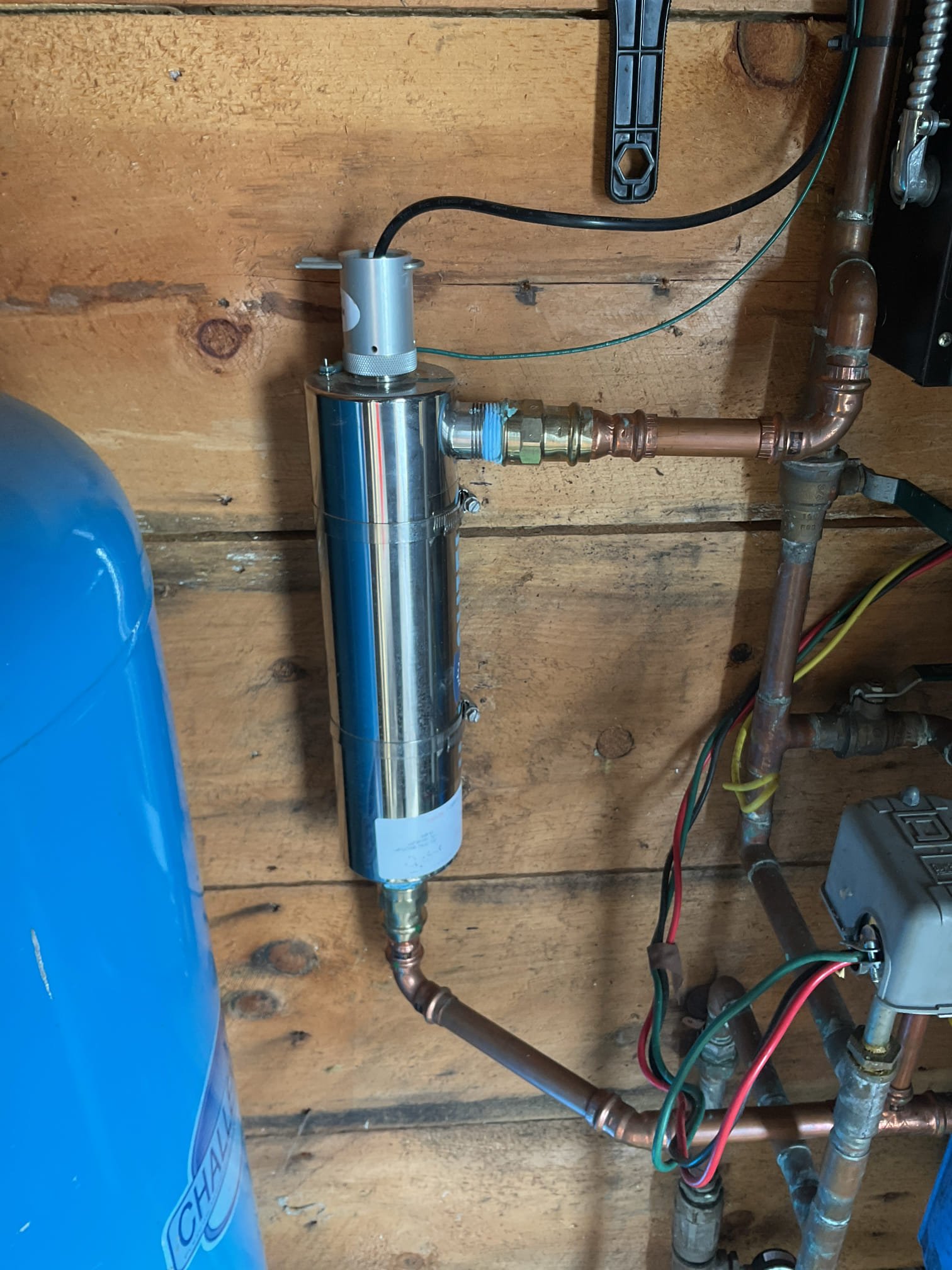
Upon arrival customer needed two UV light bulbs replaced and two sediment filters replaced and a ball valve and boiler drain installed at the barn to give the Lancaster UV light greater serviceability. I started by removing and disposing of the Viqua UV bulb and sleeve and the 4x10 sediment filter. I replaced the bulb and 4x10 sediment filter with company supplied bulb and filter. I then cleaned and lubricated the o ring on the filter, remounted the cartridge housing, reset the control box of the bulb, flushed out the air pockets, and let the lamp heat up to ensure it was working properly. I then installed a boiler drain followed by a 3/4” ball valve after the barn apartment filter and UV light for improved serviceability. I then removed the UV bulb and 4x20 sediment filter and replaced them with the customer supplied bulb and filter in the utility room. The filter did not have an o ring at time of service. I applied lubricant to ensure seal, installed the bulb, reset the light, en