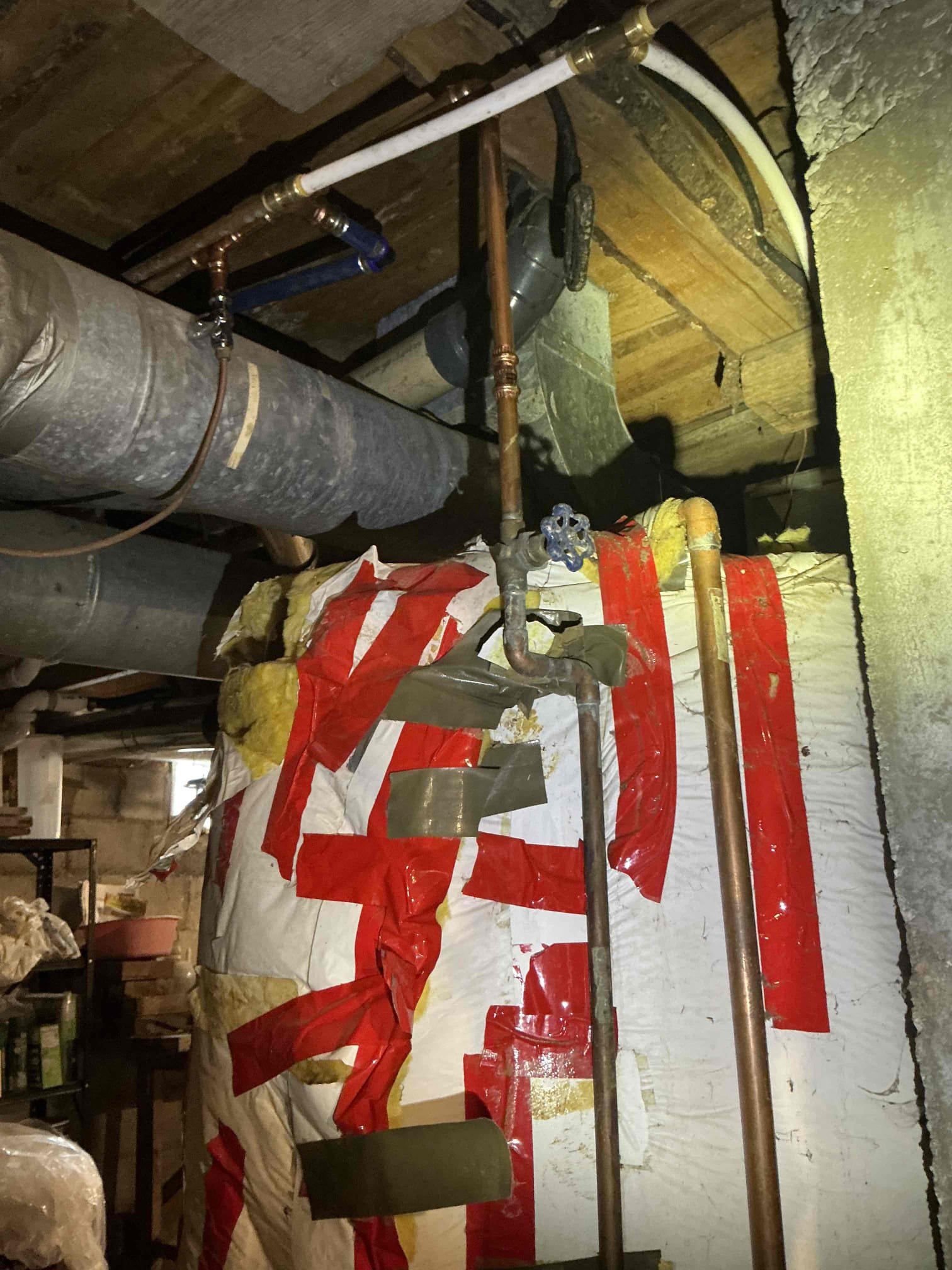

We were contacted today due to a complete loss of water to the residence. A well system diagnostic was performed, including testing of voltage, amperage, resistance (ohms), and continuity at the pressure switch and two-wire well pump. All readings were within normal operating ranges, indicating the well pump and electrical components were functioning properly. Further inspection determined the loss of water was caused by a frozen section of black poly water line located in the crawlspace. An existing temperature sensor in the crawlspace was observed reading approximately 38°F. With homeowner approval, corrective action was taken to thaw the frozen piping. Insulation was temporarily removed, heaters were placed in the crawlspace to raise ambient temperature, and controlled heat was applied directly to the affected pipe using heat guns. Water flow was successfully restored to the home, confirming the frozen pipe as the source of the issue. The homeowner advised that heat tape will be in
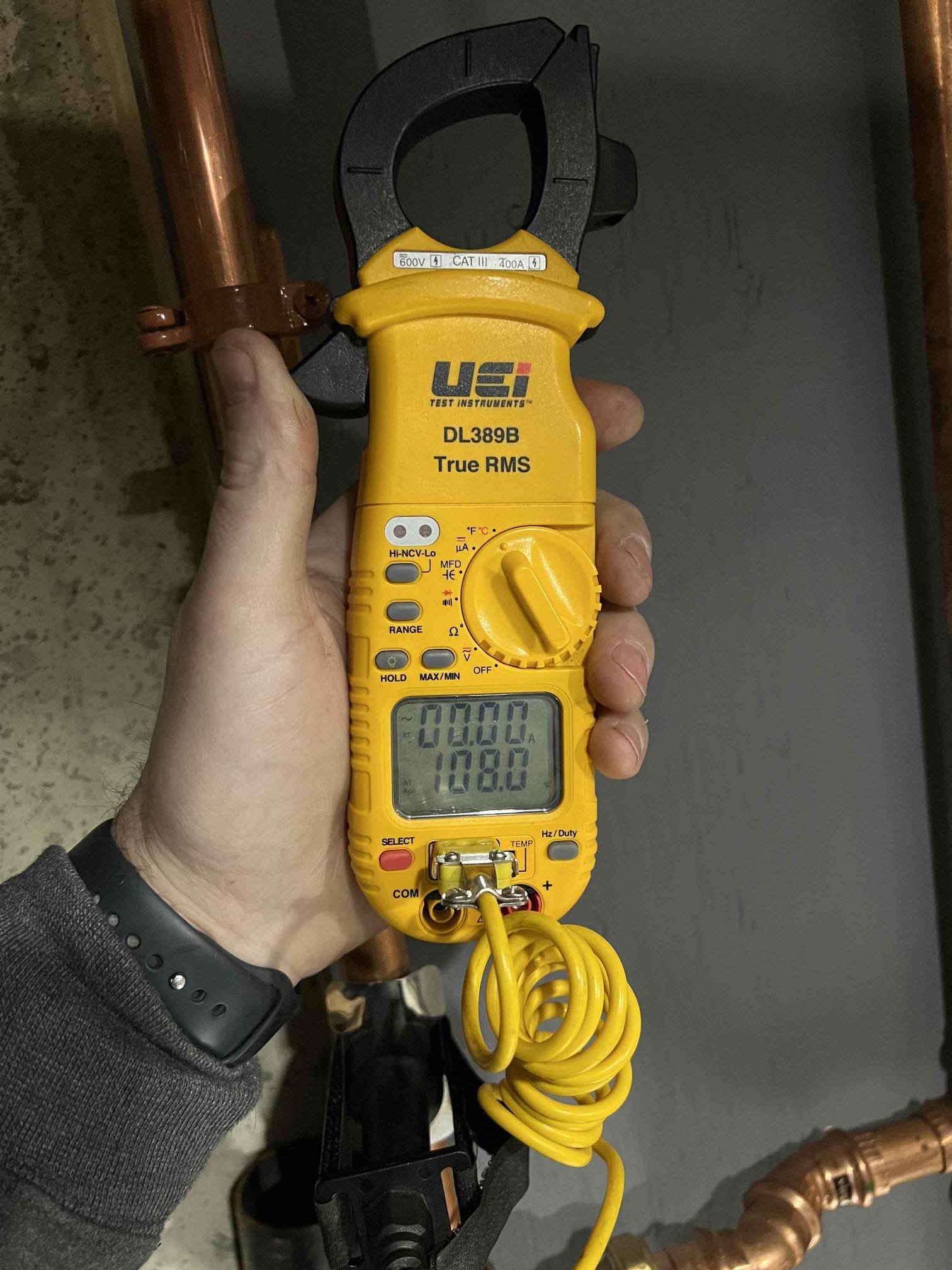
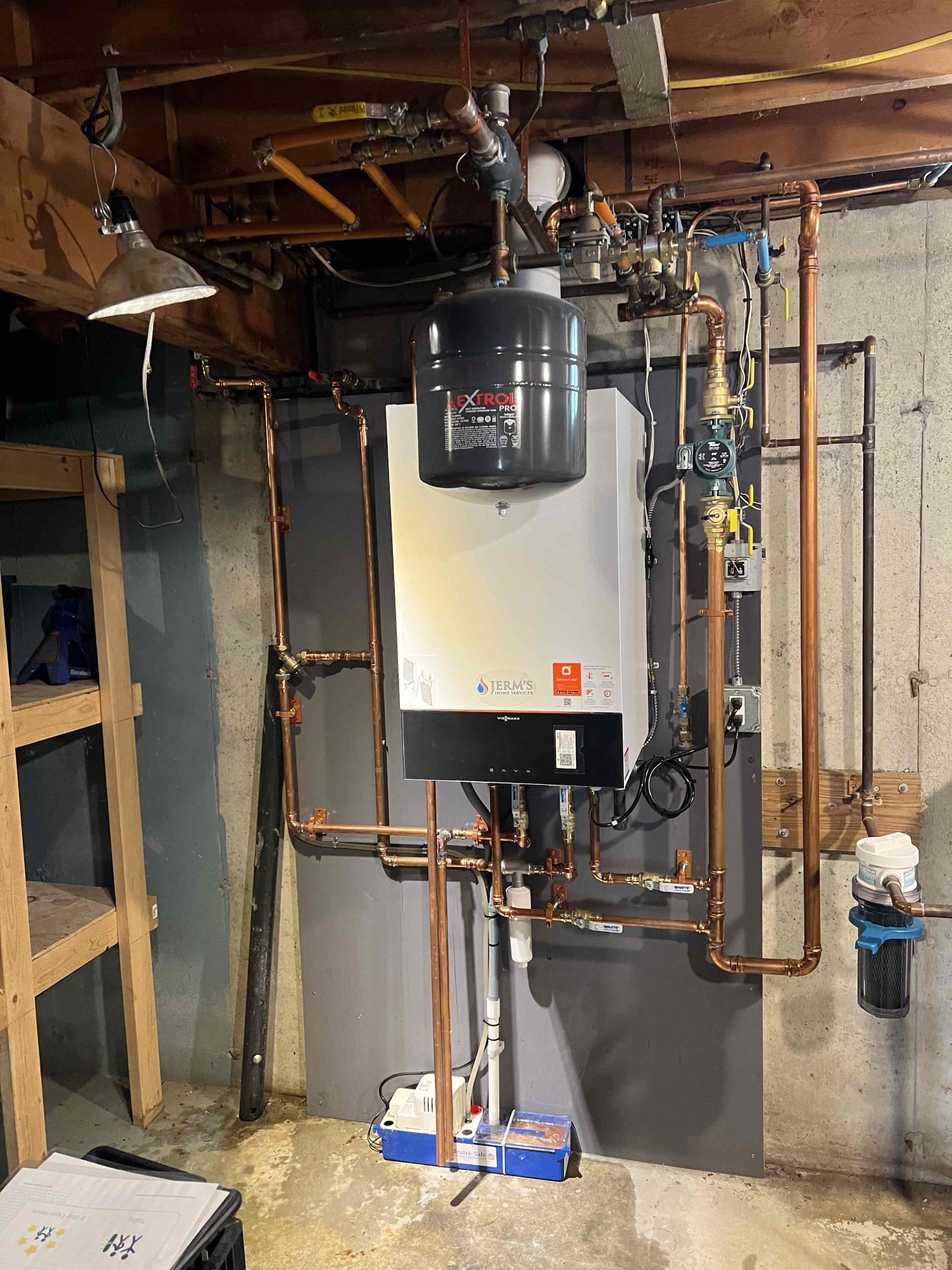
Arrived onsite to investigate insufficient hot water on a Viessmann combi propane boiler. We tested temperatures at the mixing valve and found 140°F on the inlet and 108°F on the outlet, indicating a failed mixing valve. With the customer’s approval, we replaced the mixing valve along with the scale stopper filter. After the repair, we verified 120°F water at the outlet of the mixing valve. Emailed estimates to perform an annual tune-up and flush the domestic heat exchanger.

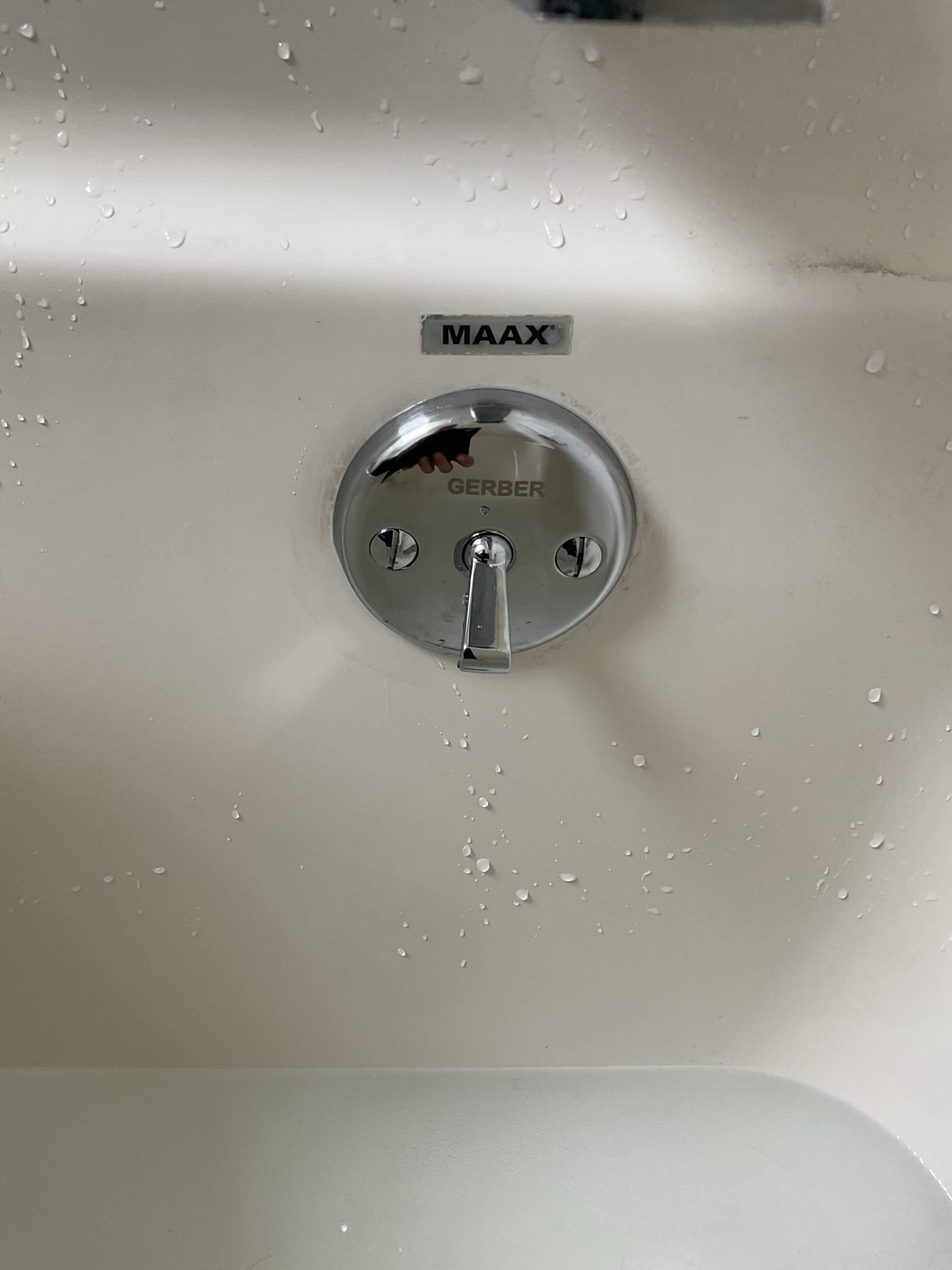
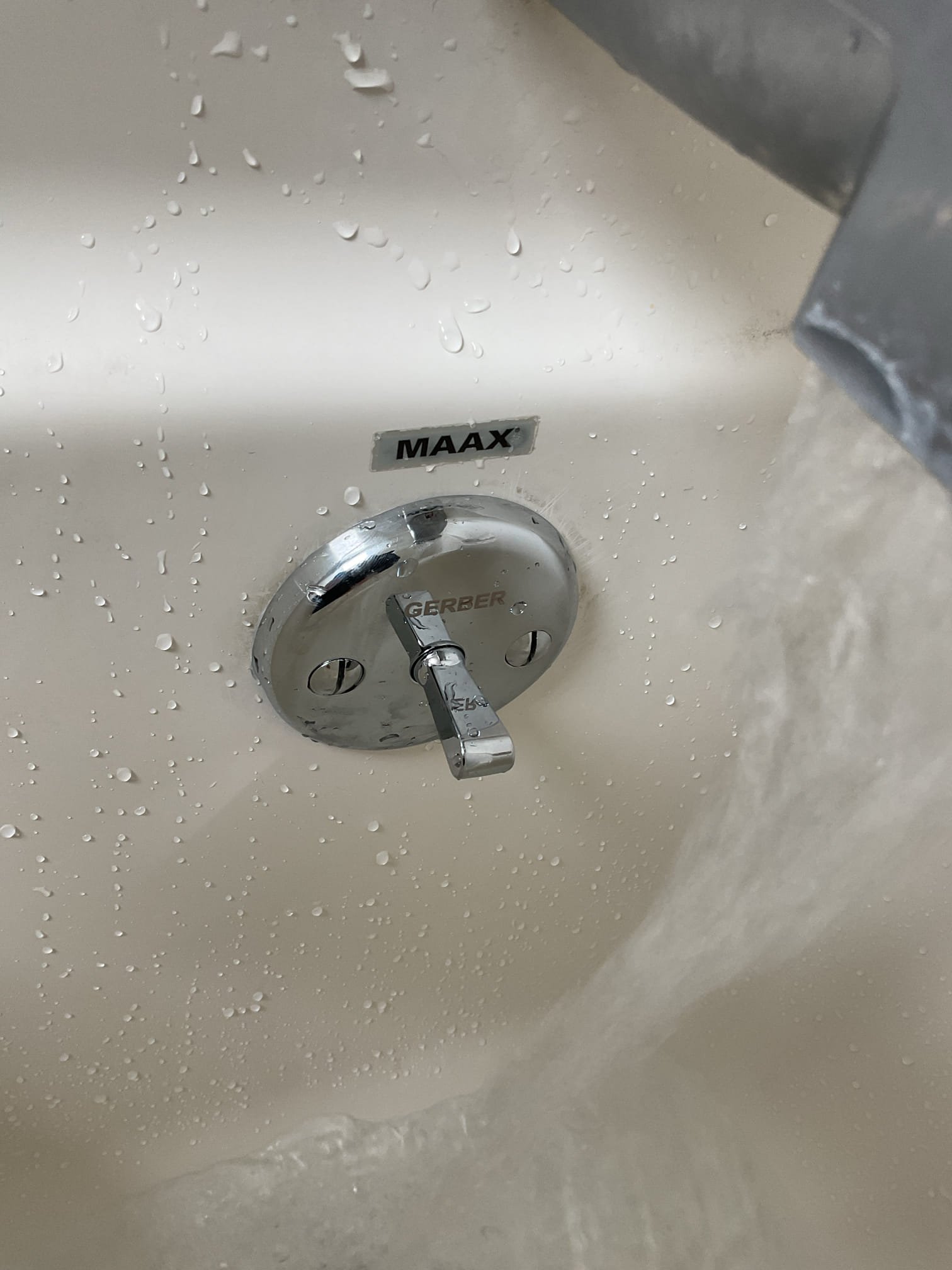
For this job, we attempted to replace the tub trip lever due to it being disconnected and causing water to leak into the bedroom below. The existing trip lever assembly was removed and inspected, and the components were properly reconnected and adjusted to restore correct operation and a watertight seal. All associated parts were aligned and secured as needed. Upon completion, the tub drain assembly was thoroughly tested, the leak was confirmed to have stopped, and everything is now working as it should.
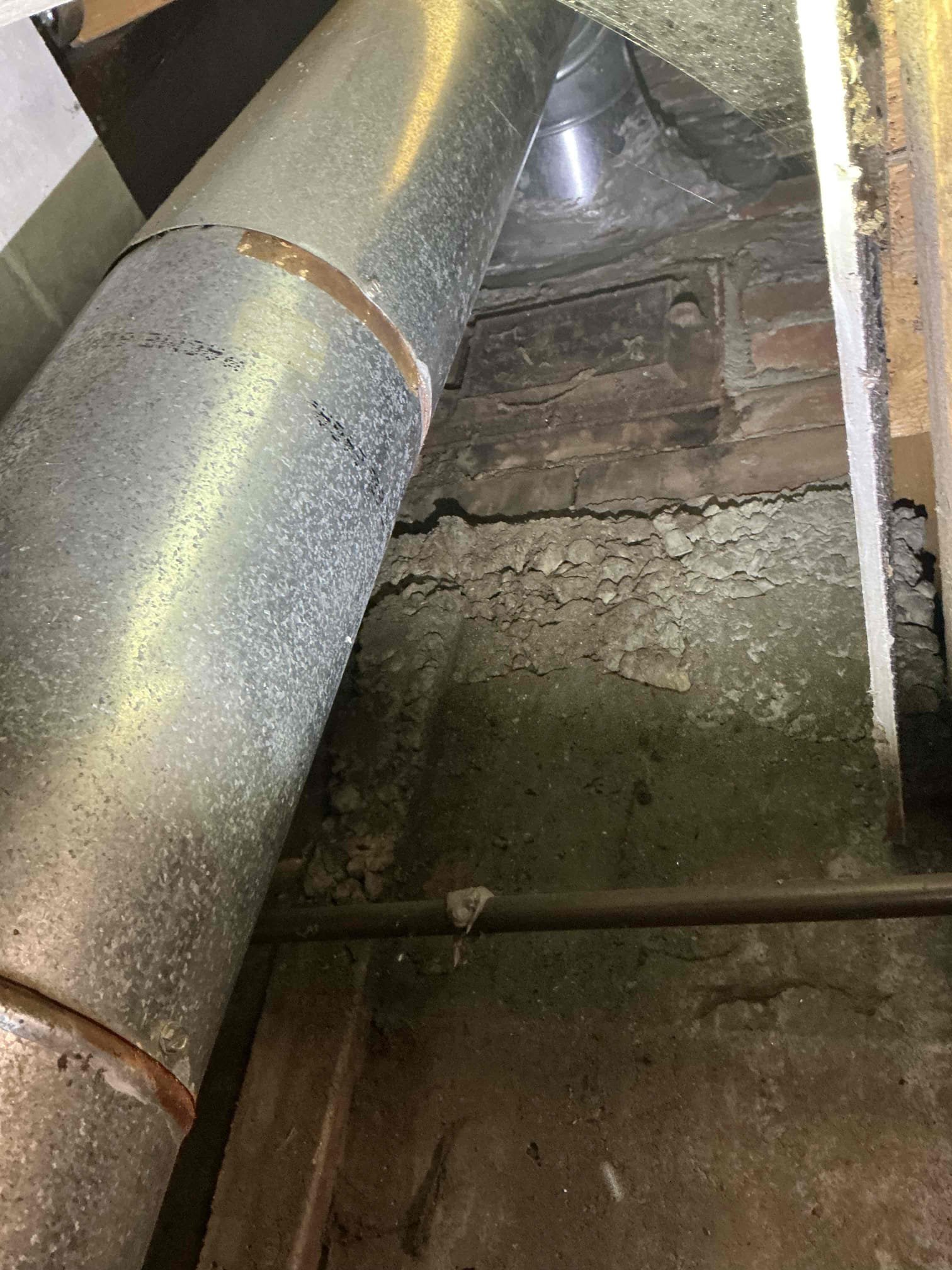
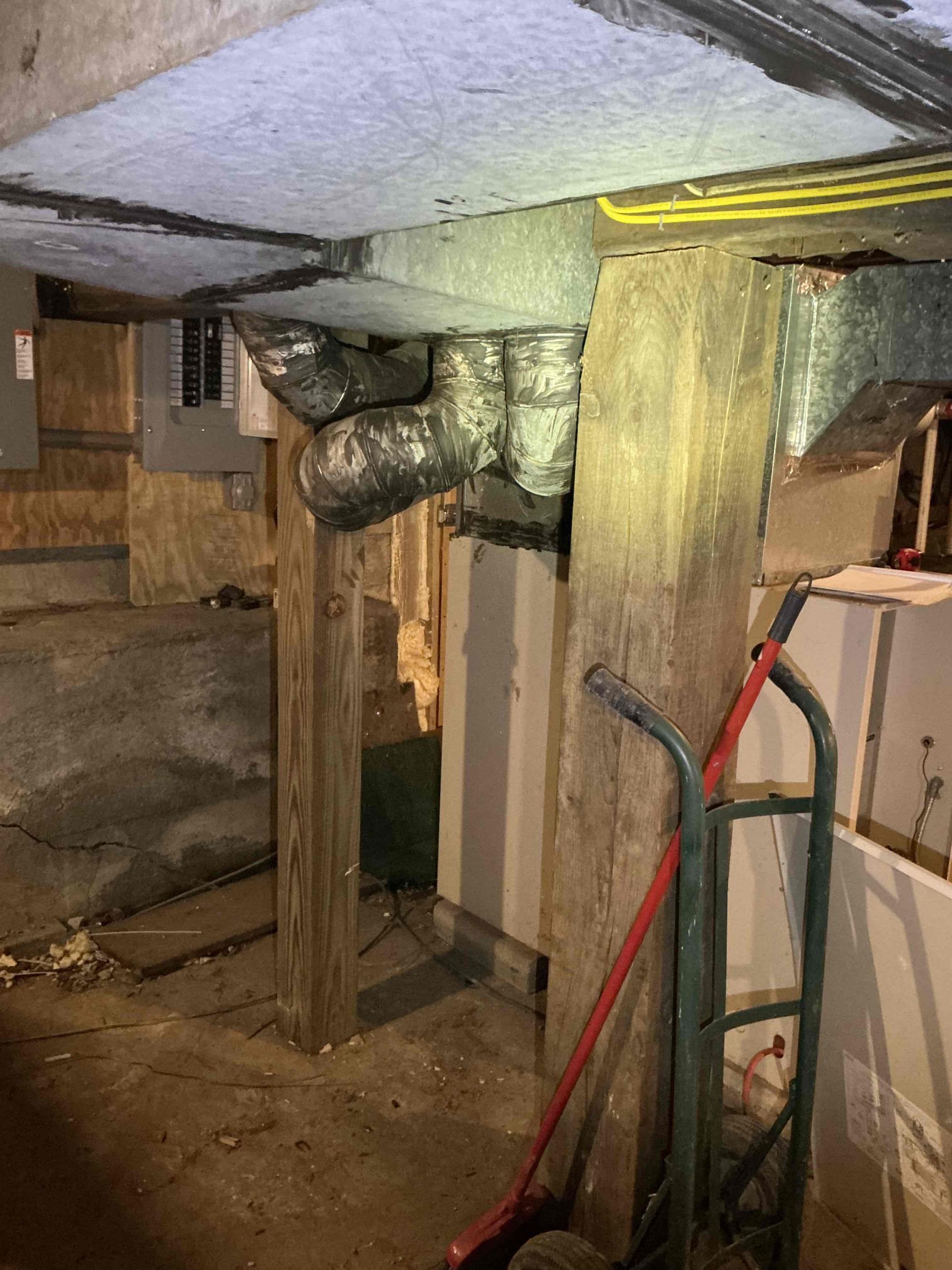
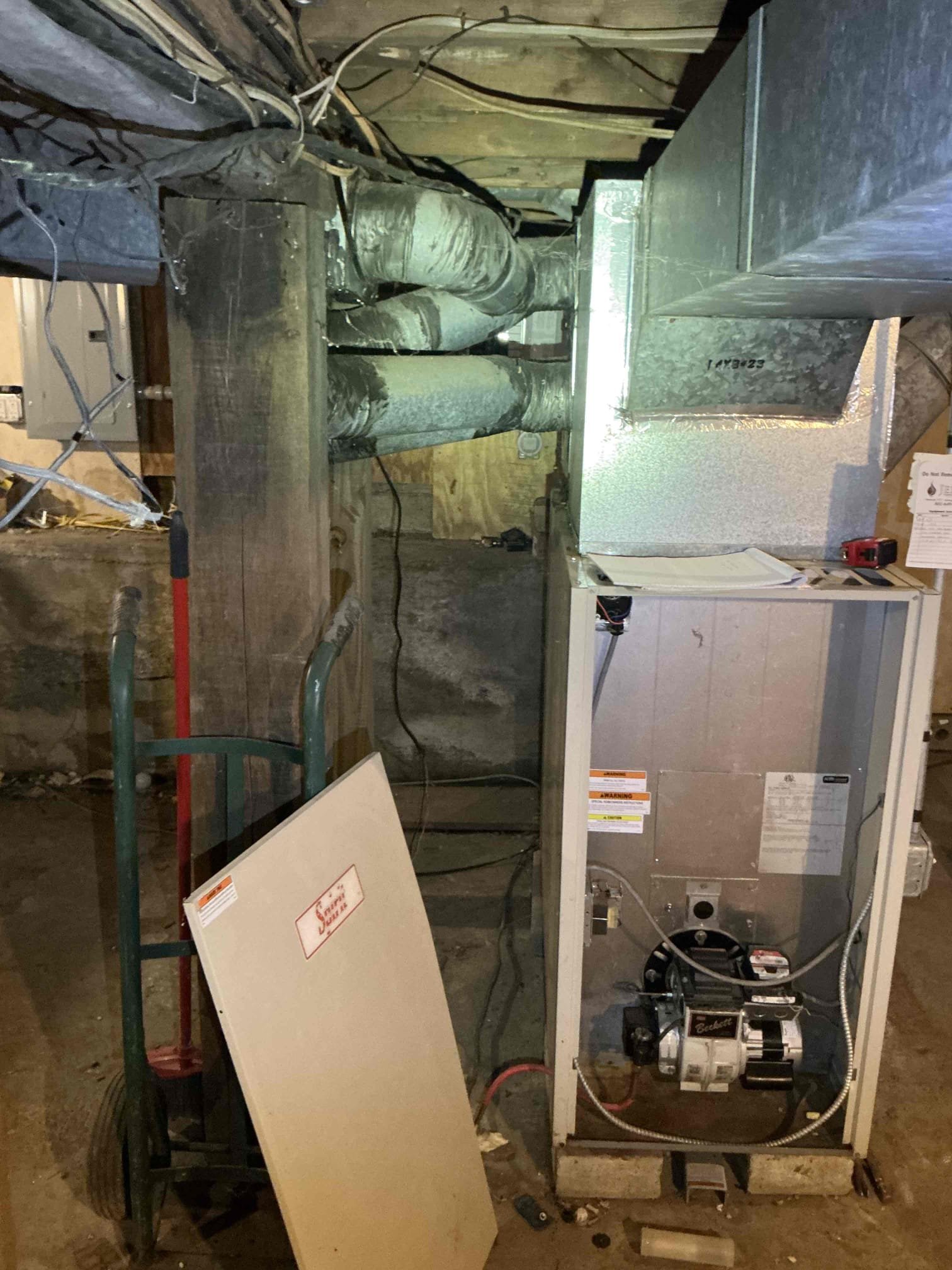
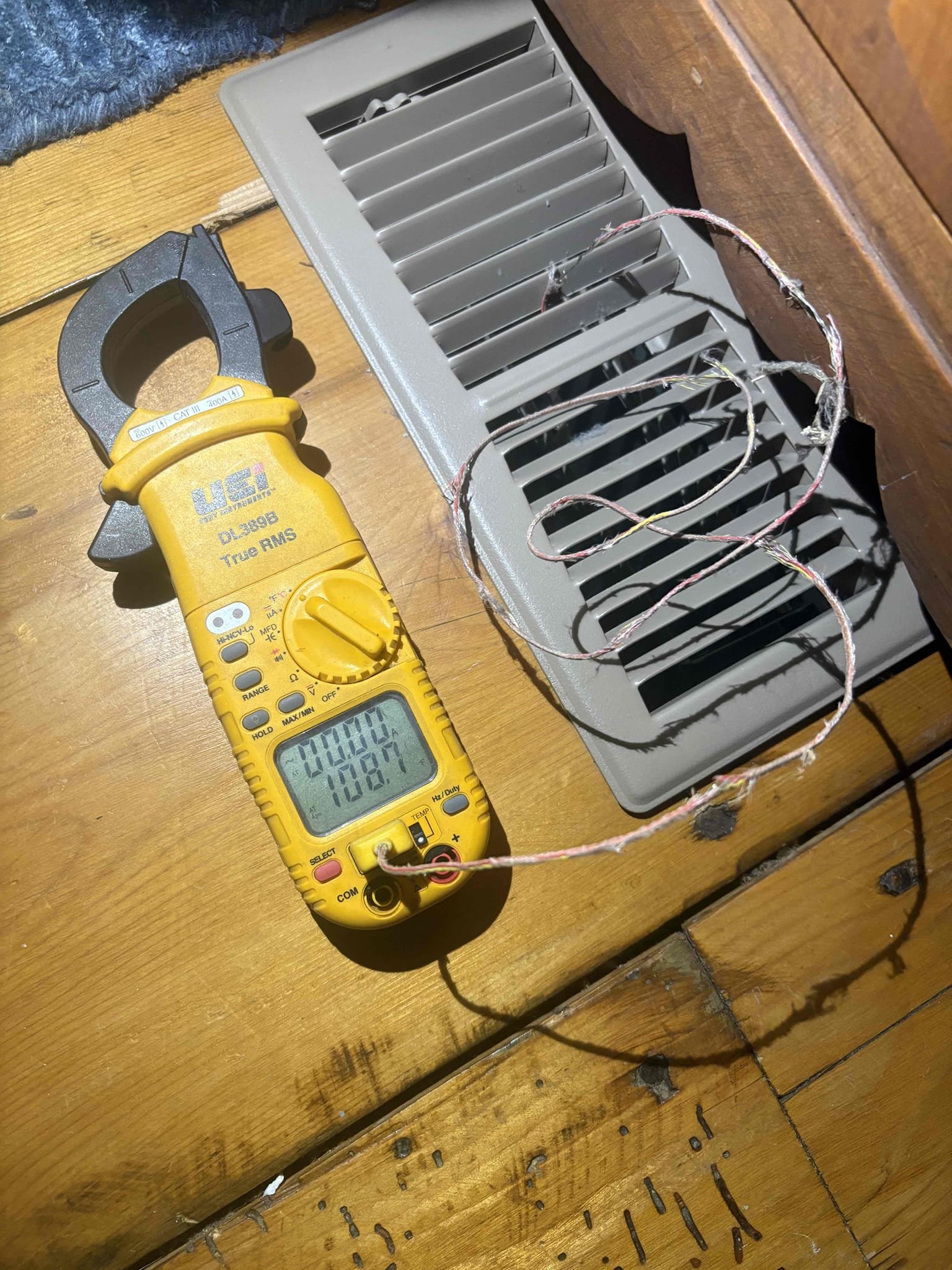
Corrected existing furnace return ductwork and properly connected the return plenums to the furnace ducting. Relocated the upstairs ducting from the return ductwork to the supply side. Resealed the return ducts using new panning where the upstairs line was removed. Installed a dedicated electrical outlet for the condensate pump and verified proper pump operation. Upon confirming pump operation, found the condensate discharge line was not properly supported and contained multiple low spots where water was collecting. Installed proper hangers on the condensate line and confirmed correct drainage. Removed the old furnace from the basement. Verified the upstairs bedroom supply duct is delivering 108-degree heated air and confirmed tight, reliable seals at both the supply and return plenums. The system is operating properly at this time.

We determined that the existing well pump has failed and is no longer supplying water to the home, and recommended pulling and replacing the pump to restore reliable water service. Upon inspection, we found a galvanized rod threaded into the top of the pitless adapter which is uncommon for well pumps; during removal attempts, the rod broke off inside the pitless adapter, preventing proper connection to the well line for lifting. Further evaluation indicated that the interior water line and likely the well drop pipe are galvanized, and the pitless adapter threads have failed. Due to these conditions and the specialized equipment required to safely retrieve a galvanized well line and pump, we were unable to complete the work. We referred the homeowner to Wragg Brothers and Valley Artesian, companies equipped to handle this type of well service, and removed the charge for pulling and replacing the well pump since the work could not be completed.
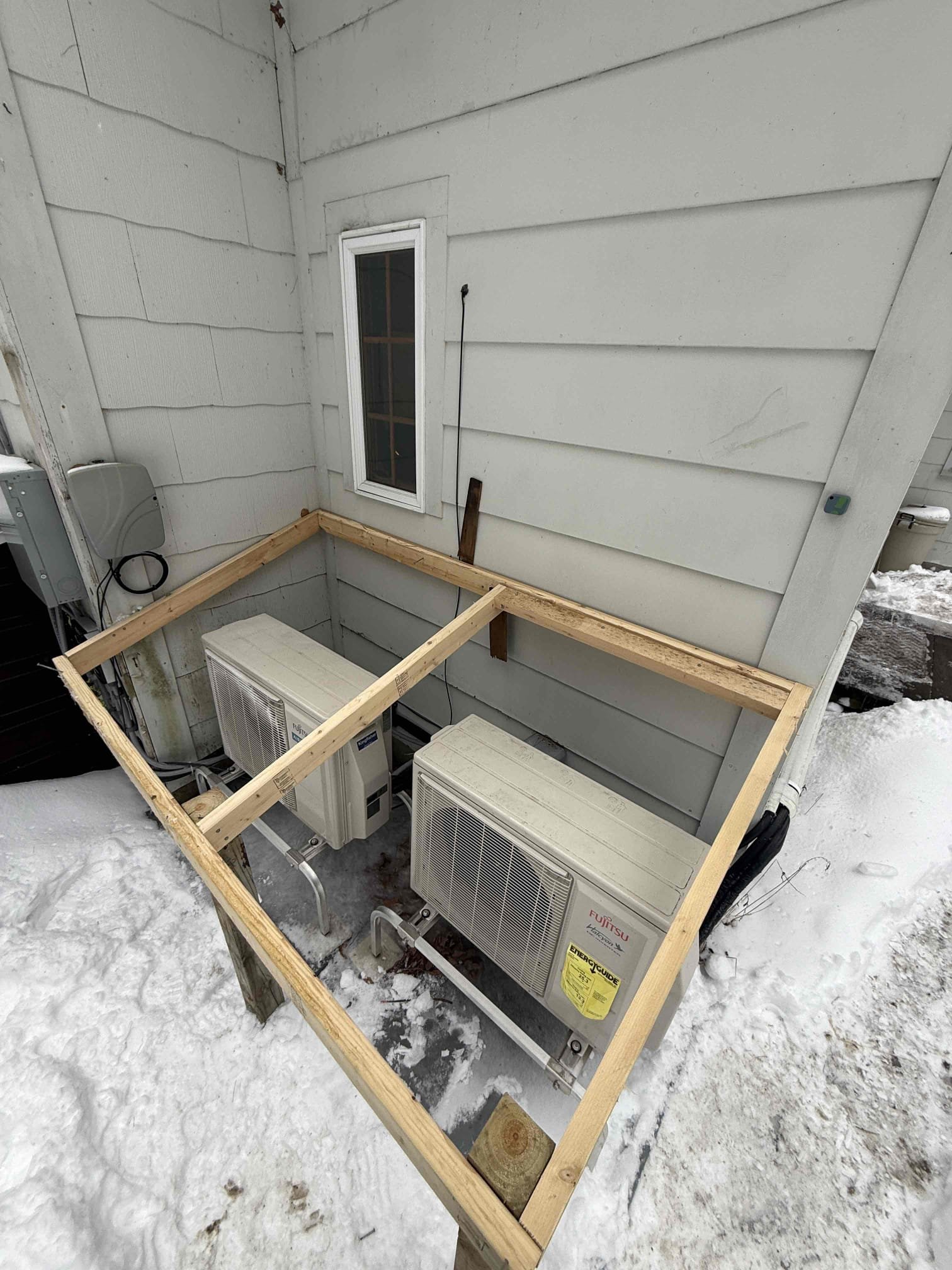
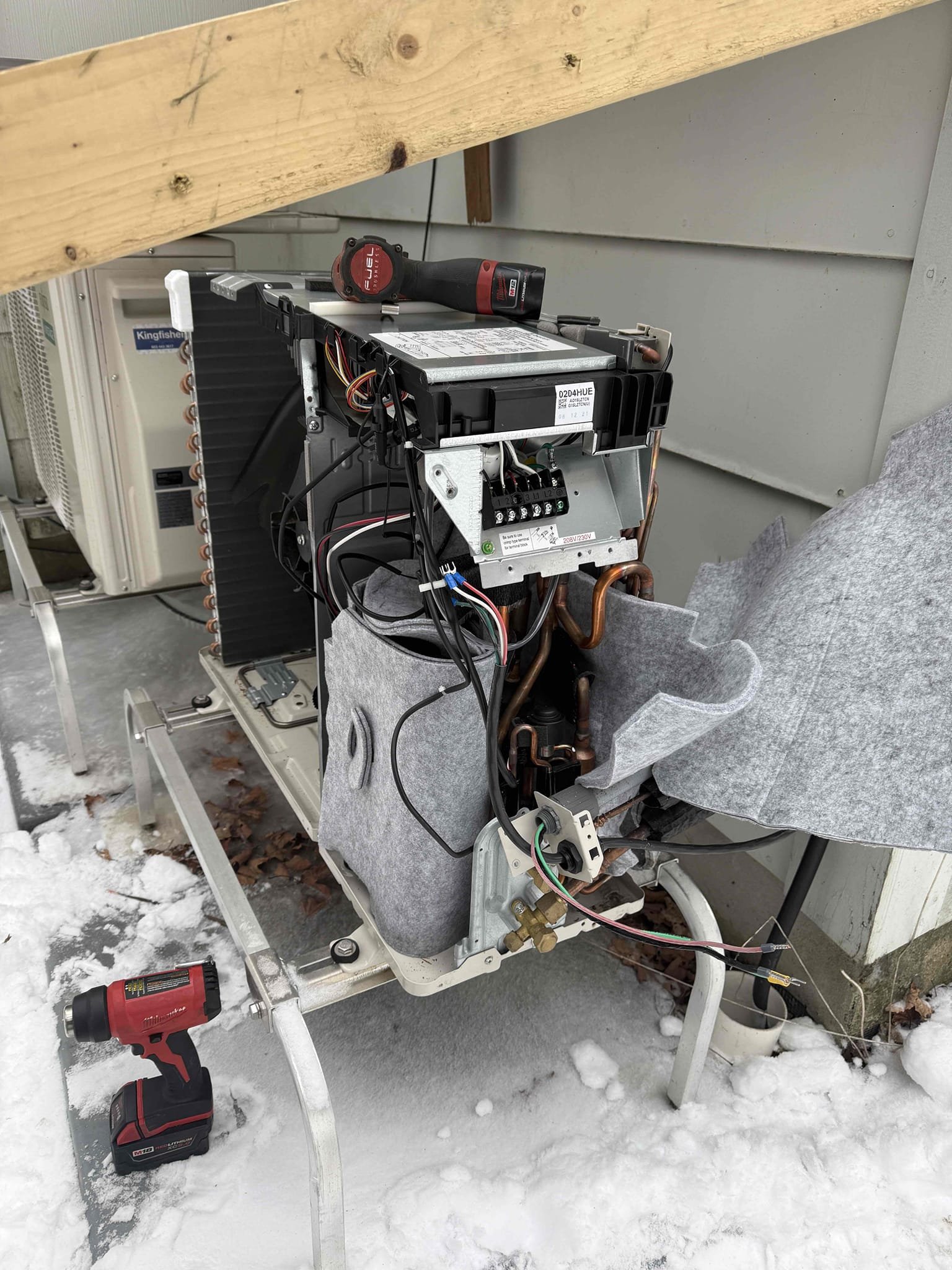
Removal and replacement of the outdoor coil thermistor that is not accurately sensing temperature. The failed thermistor prevents proper defrost operation, allowing the outdoor condenser coil to freeze. Replacing the thermistor restores correct temperature sensing and proper system operation. 1-8-2025 Removed the unit housing and replaced the compressor thermistor and thermistor assembly. After reassembling, the unit was powered on and operating temperatures were verified to be within specifications. The unit was allowed to run to observe a defrost cycle, which initiated and completed successfully. At this time, the unit is operating properly with no further issues observed.
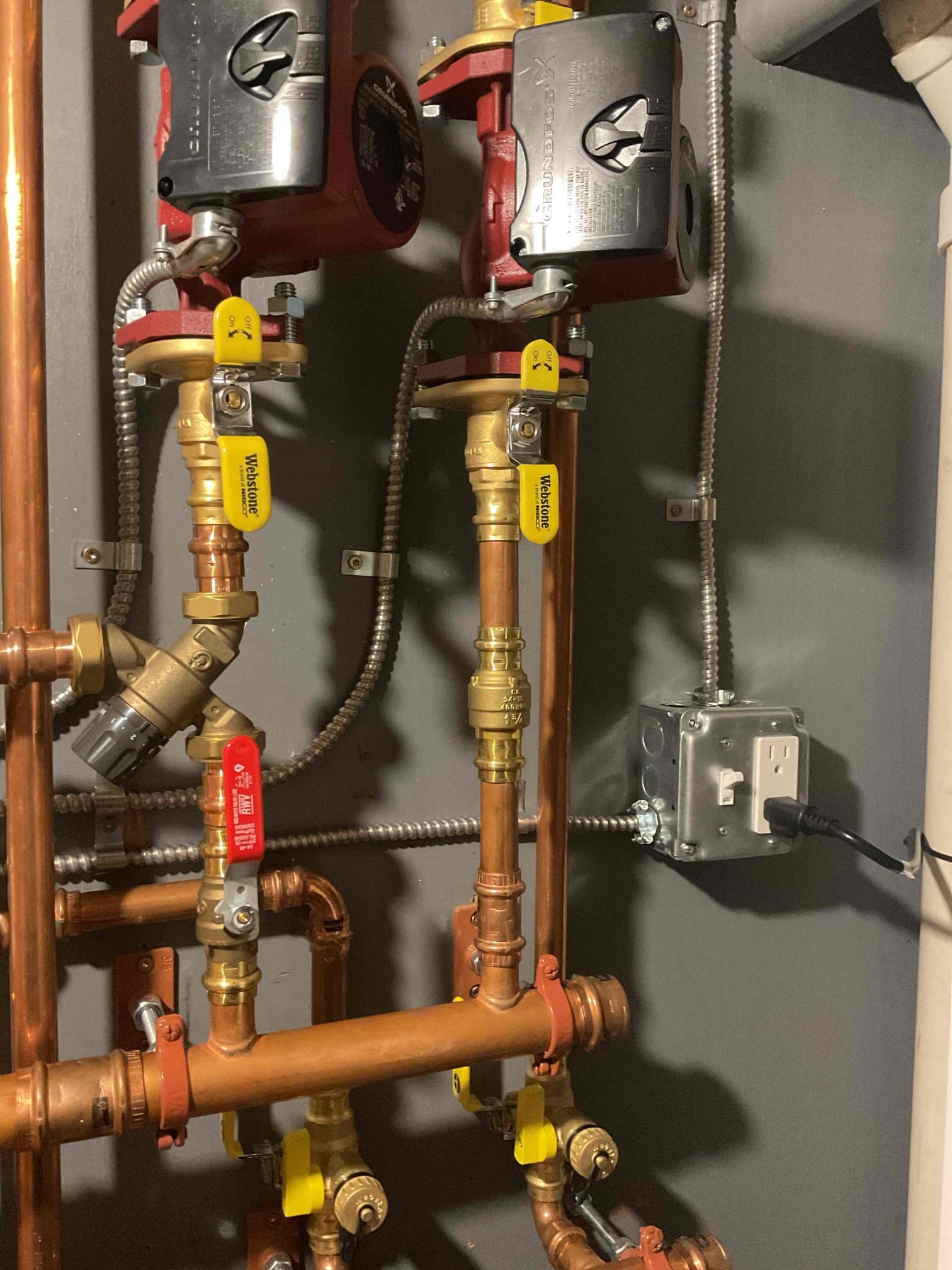
Client called because the upstairs zone appeared to be constantly running. During our diagnoses we quickly discovered that the radiant loop was pushing by the circulator for the upstairs zone. Installed a heat check and verified that heat isn’t pushing through zone 2 anymore, everything is working properly at this time. This work is covered under Jerm’s warranty.
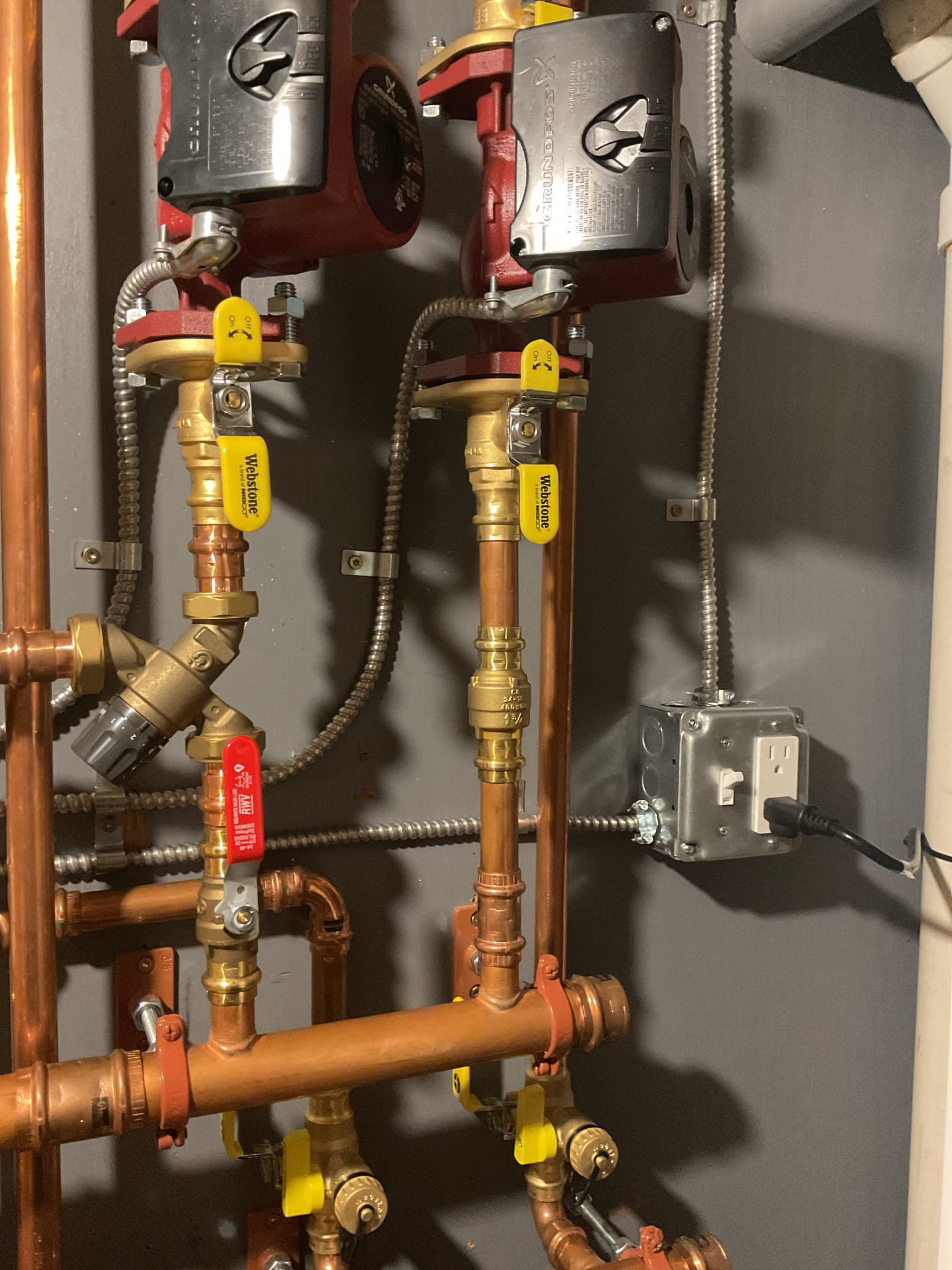
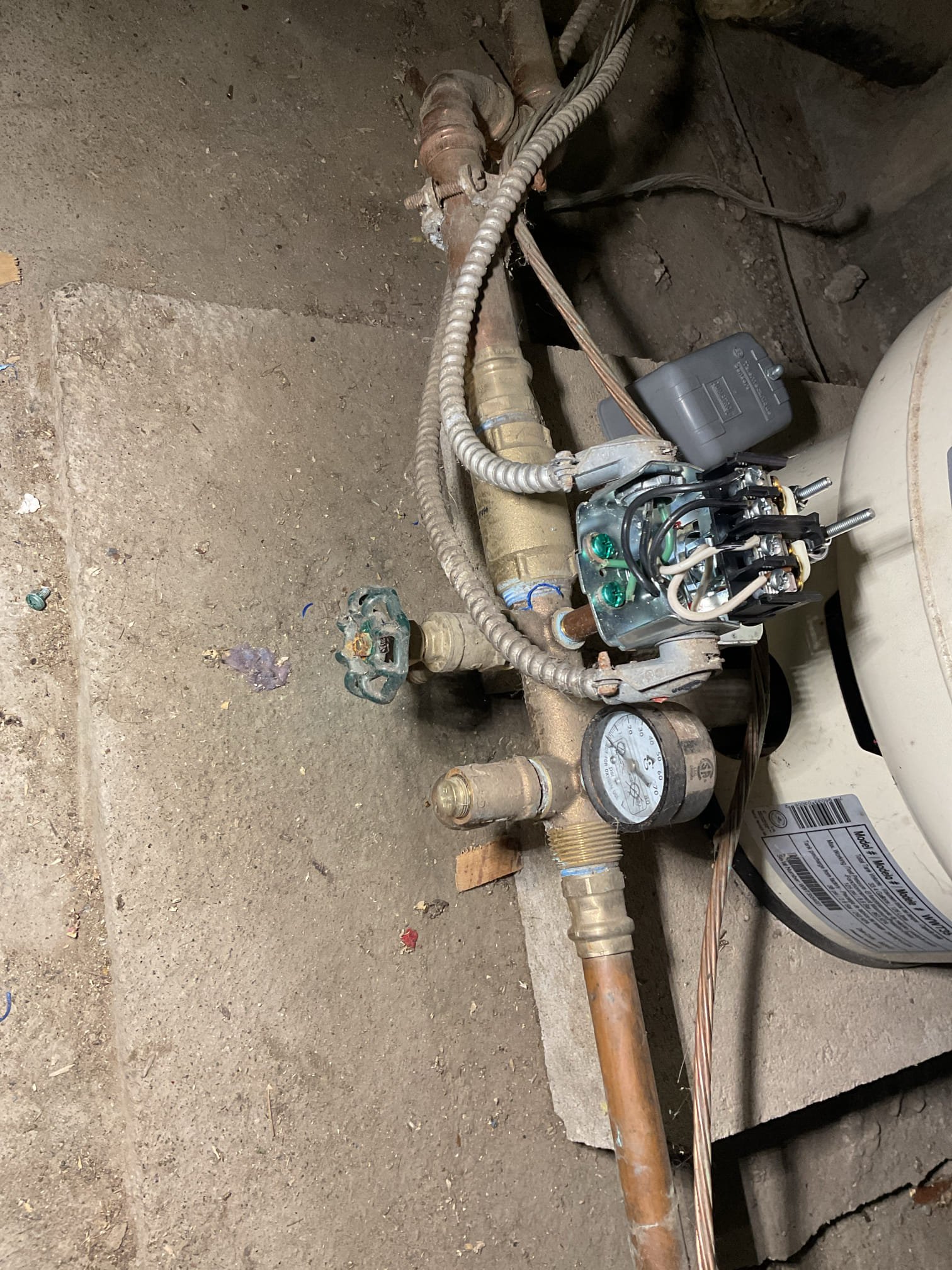
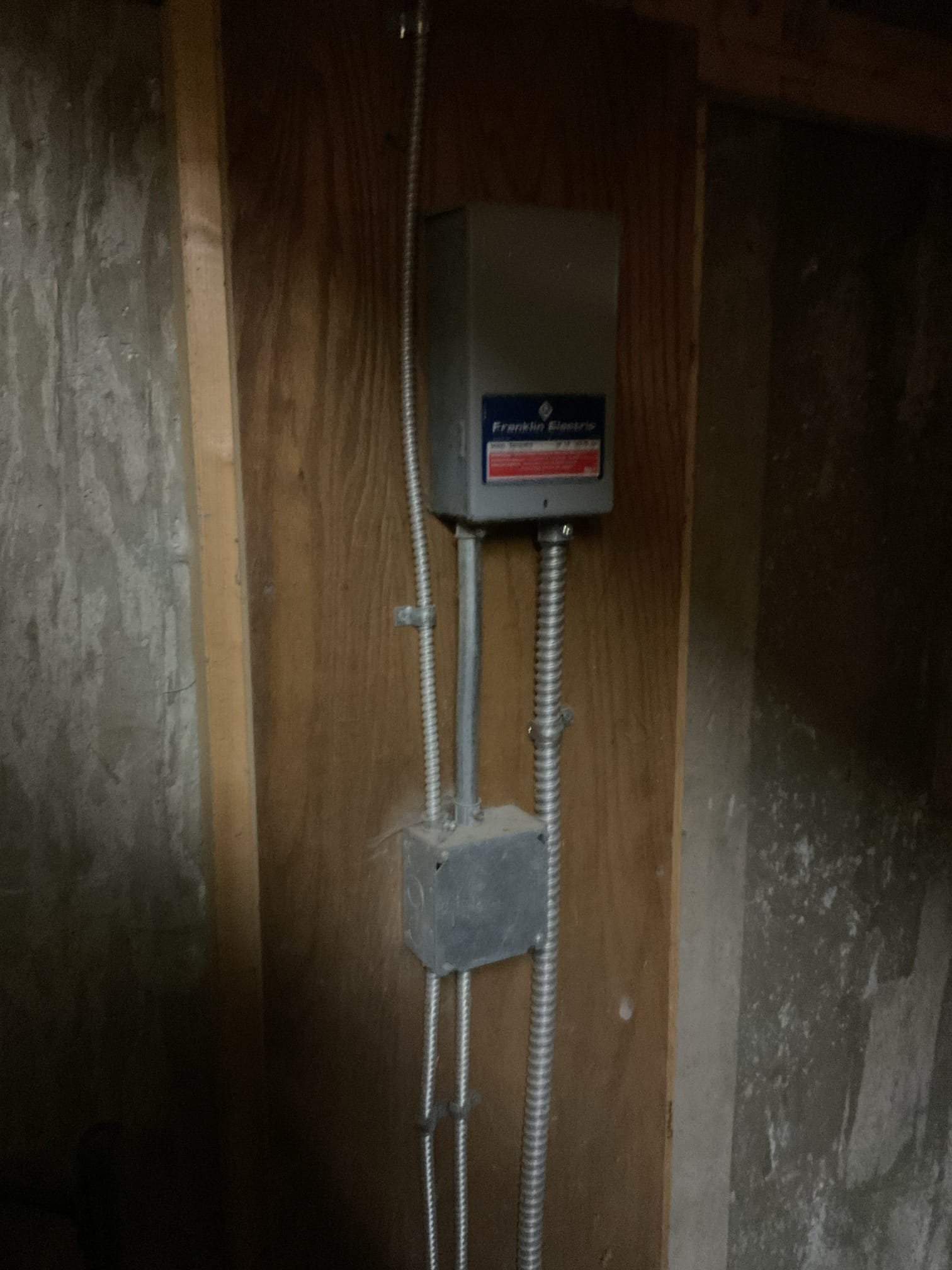
We found the property was experiencing a complete loss of water service with an unknown cause upon arrival. A full well system diagnostic was performed, which revealed the circuit breaker tripped on startup and the breaker produced a loud humming noise consistent with pump failure. We confirmed the pressure switch was operating properly with 240V present on all terminals and adjusted the pressure tank air charge from 35 PSI to 38 PSI. The control box was removed and inspected, where a failed capacitor was found; a temporary replacement ¾ HP control box and additional capacitor were installed for testing with no change in system operation. Continuity testing confirmed wiring was intact, however pump ohm readings showed abnormal values—yellow/black reading slightly high and red/yellow significantly out of range—confirming internal pump failure. Based on these findings, we determined the well pump has failed and is the cause of the no-water condition. Replacement of the well pump and ch
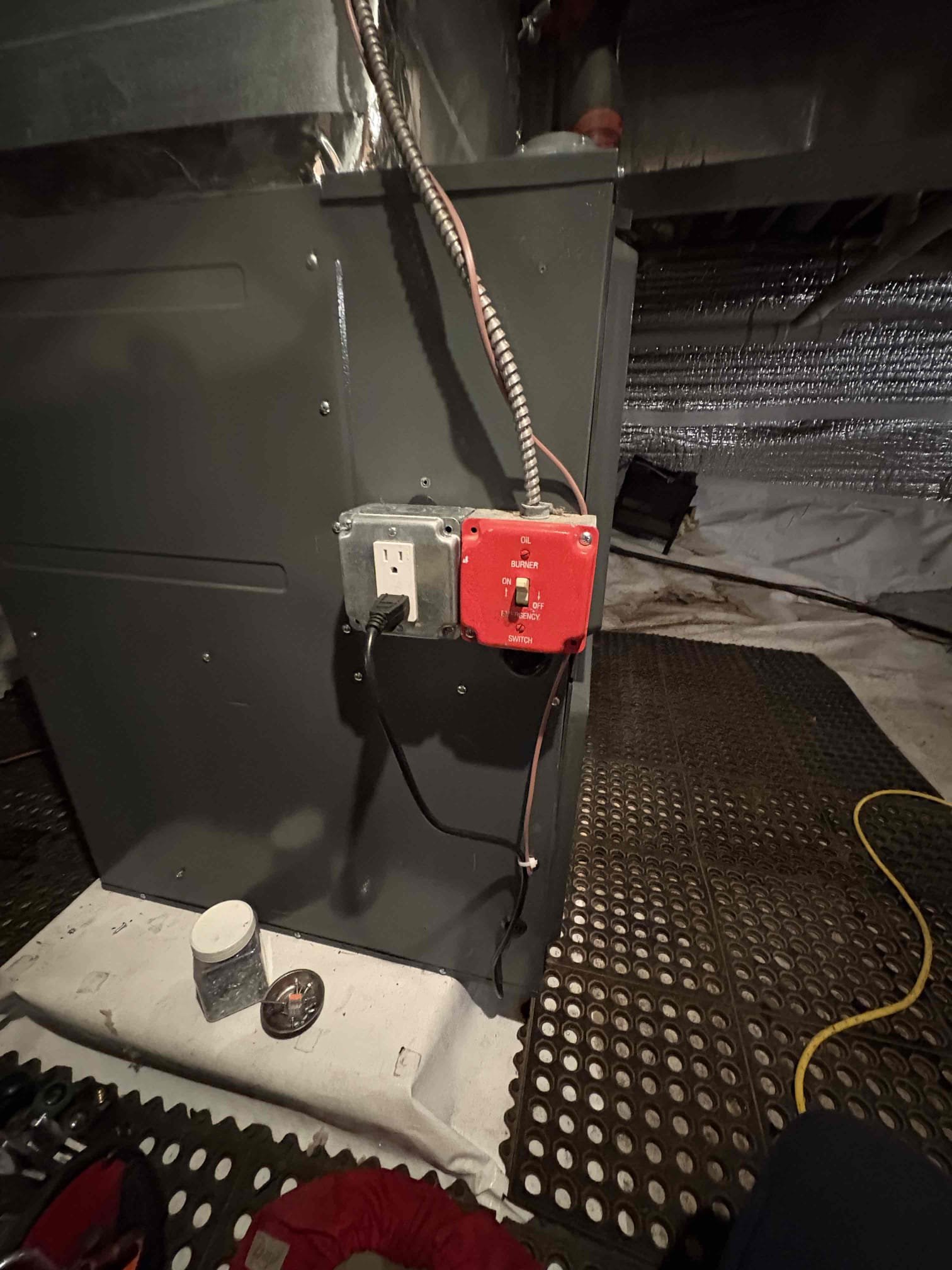
Removed the existing Olsen oil-fired furnace due to age and overall condition. Installed a new Thermo Pride oil-fired furnace and connected it to the existing ductwork. Installed new smoke pipe and tied it into the existing chimney connection. Ran a new overhead oil supply line and installed a Tiger Loop system. Utilized existing electrical connections. Placed the system into operation and verified all safeties and operational sequences. Checked oil pump pressure and pump cutoff. Performed combustion and draft testing, and adjusted the draft regulator to manufacturer specifications. Verified proper shutdown of the furnace upon loss of call for heat from the thermostat. Inspected the system for oil leaks; none were found. Reviewed system safeties with the customer and provided instruction on proper air filter maintenance. The system is operating in accordance with manufacturer specifications at this time.
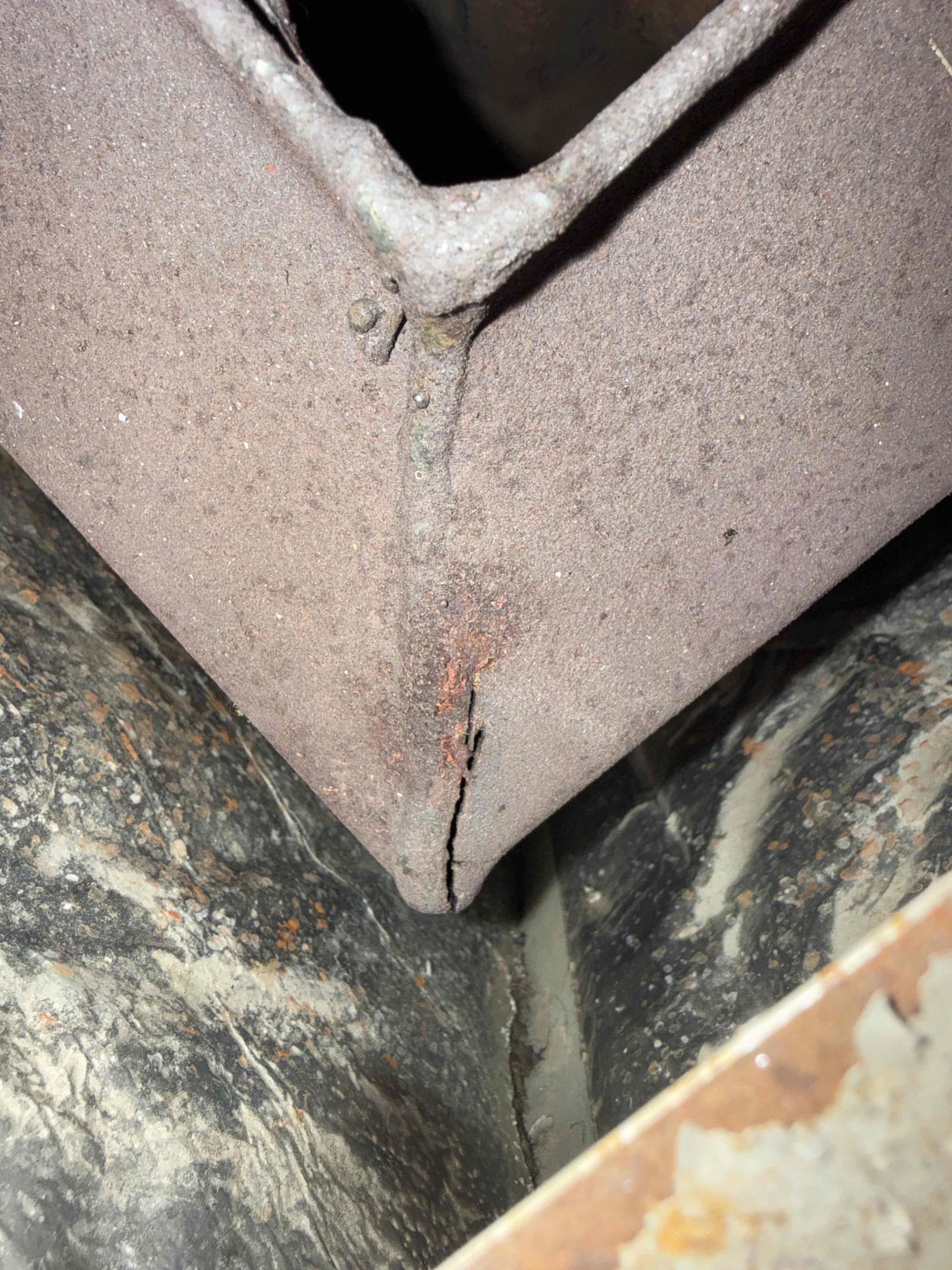
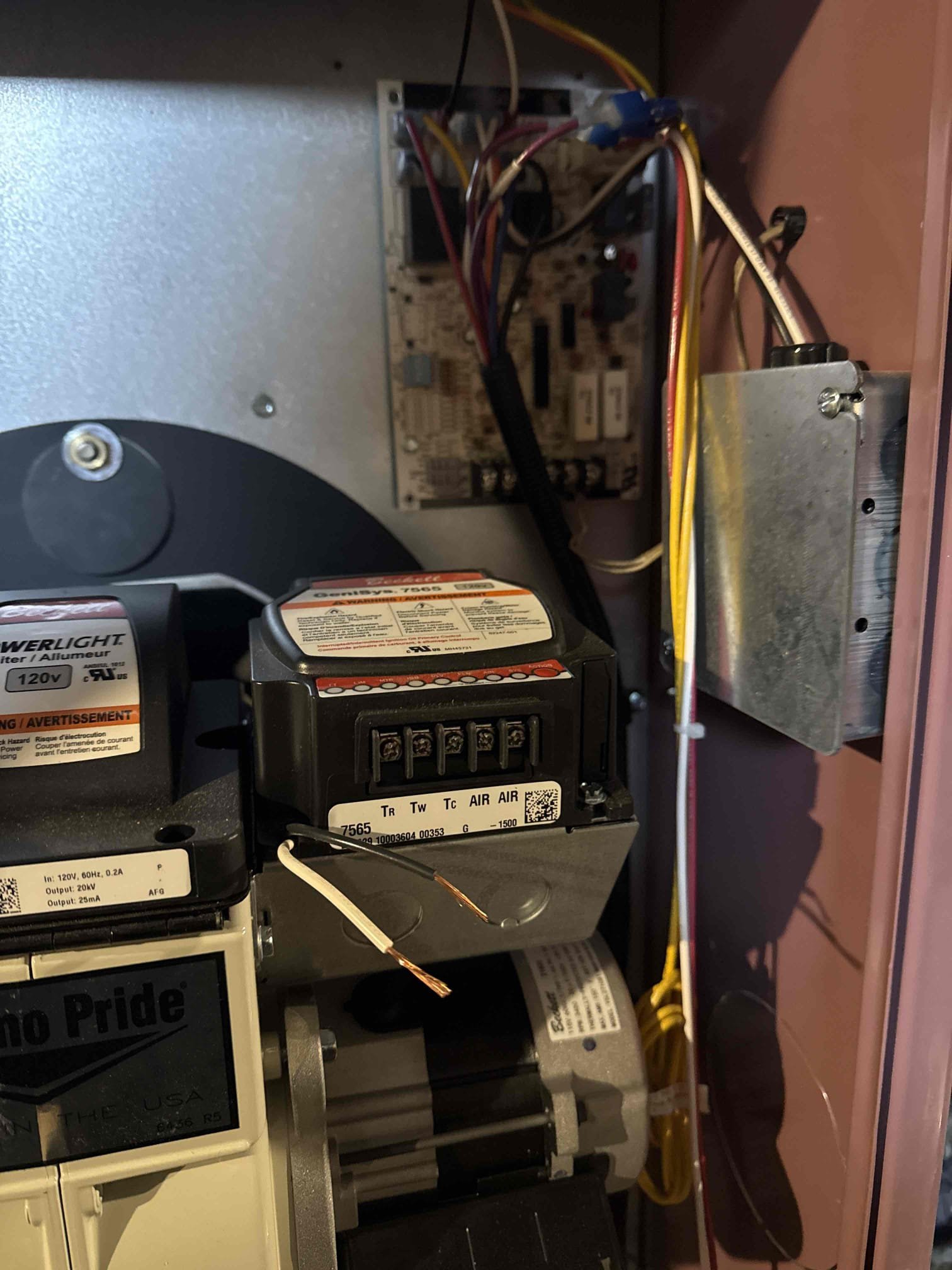

Looked at replacing propane boiler
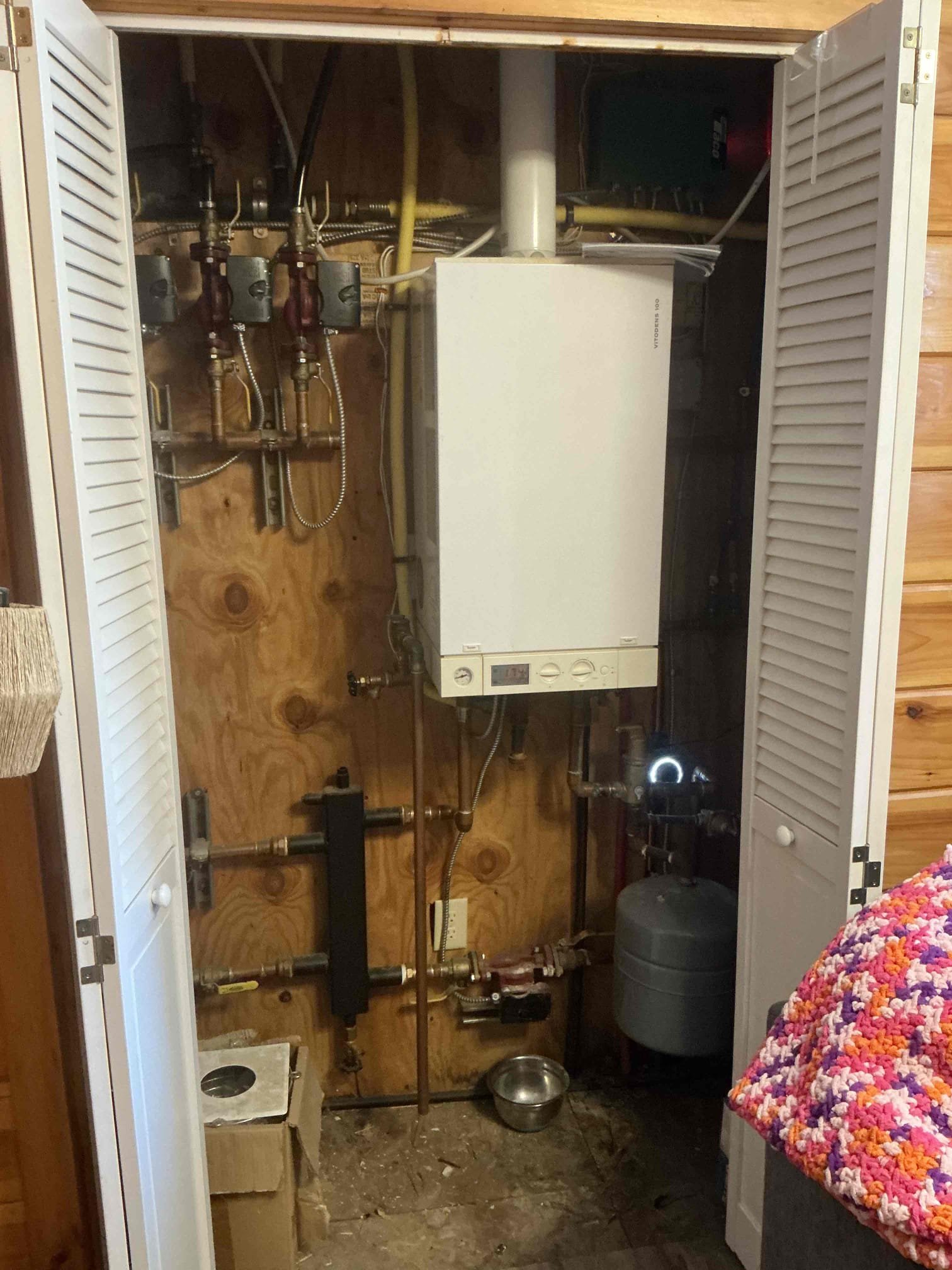
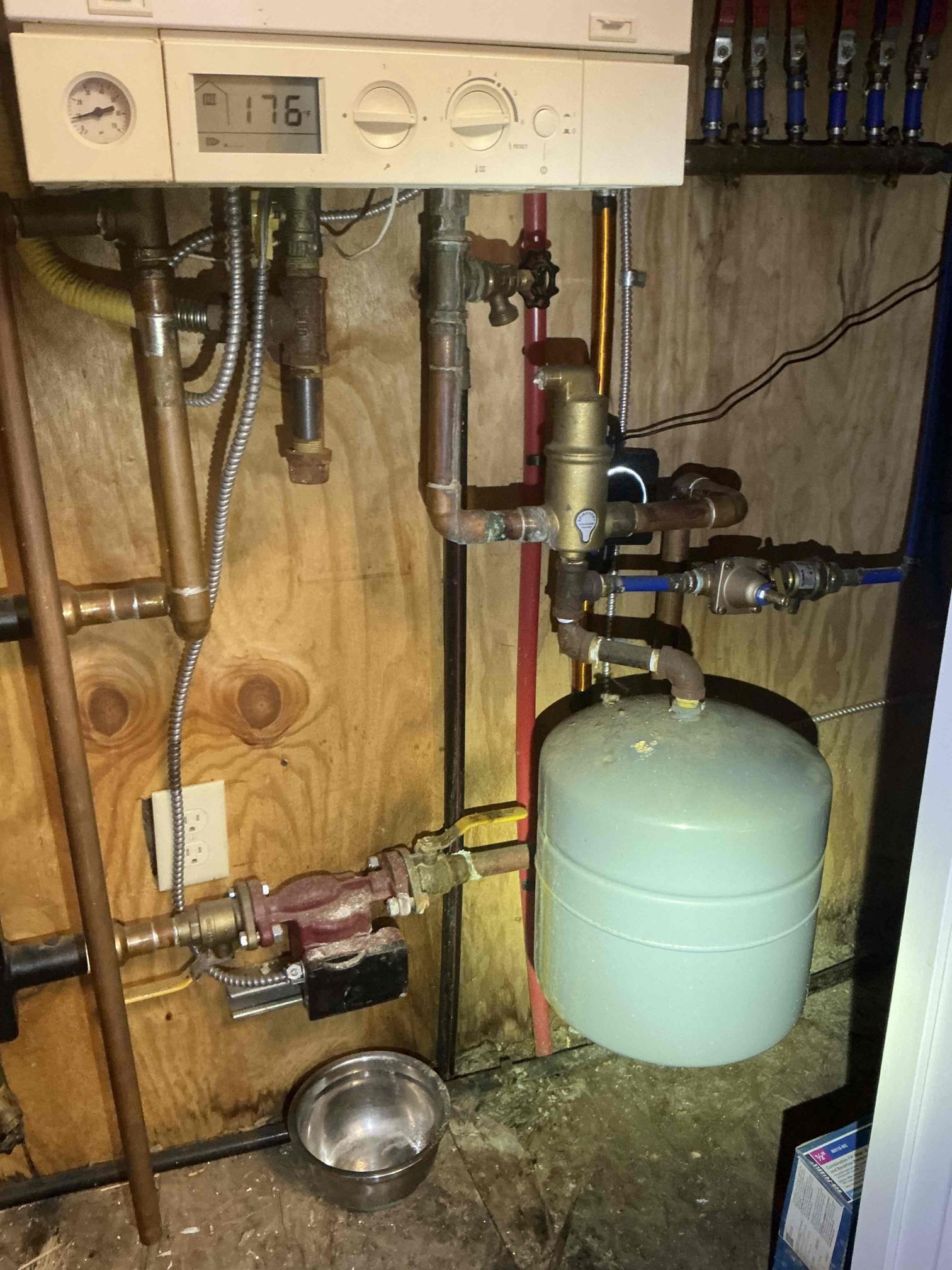
Customer reported no heat in the primary room of the home. Upon inspection, I found the thermostat batteries were depleted. Customer provided new batteries, and once installed, the thermostat resumed normal operation. Further diagnostic revealed that the baseboard heating loop was not circulating properly due to frozen piping. Using a heat gun and a propane heater in the basement, I successfully thawed the affected pipes and restored water flow to the zone. Heating was verified, and the zone is now operating correctly. All remaining heating zones were tested and confirmed to be functioning as intended. I will be emailing the customer an estimate for recommended system improvements. Additionally, the customer noted excessive noise coming from a pump located in the basement. A plumber is recommended to evaluate and address the issue.
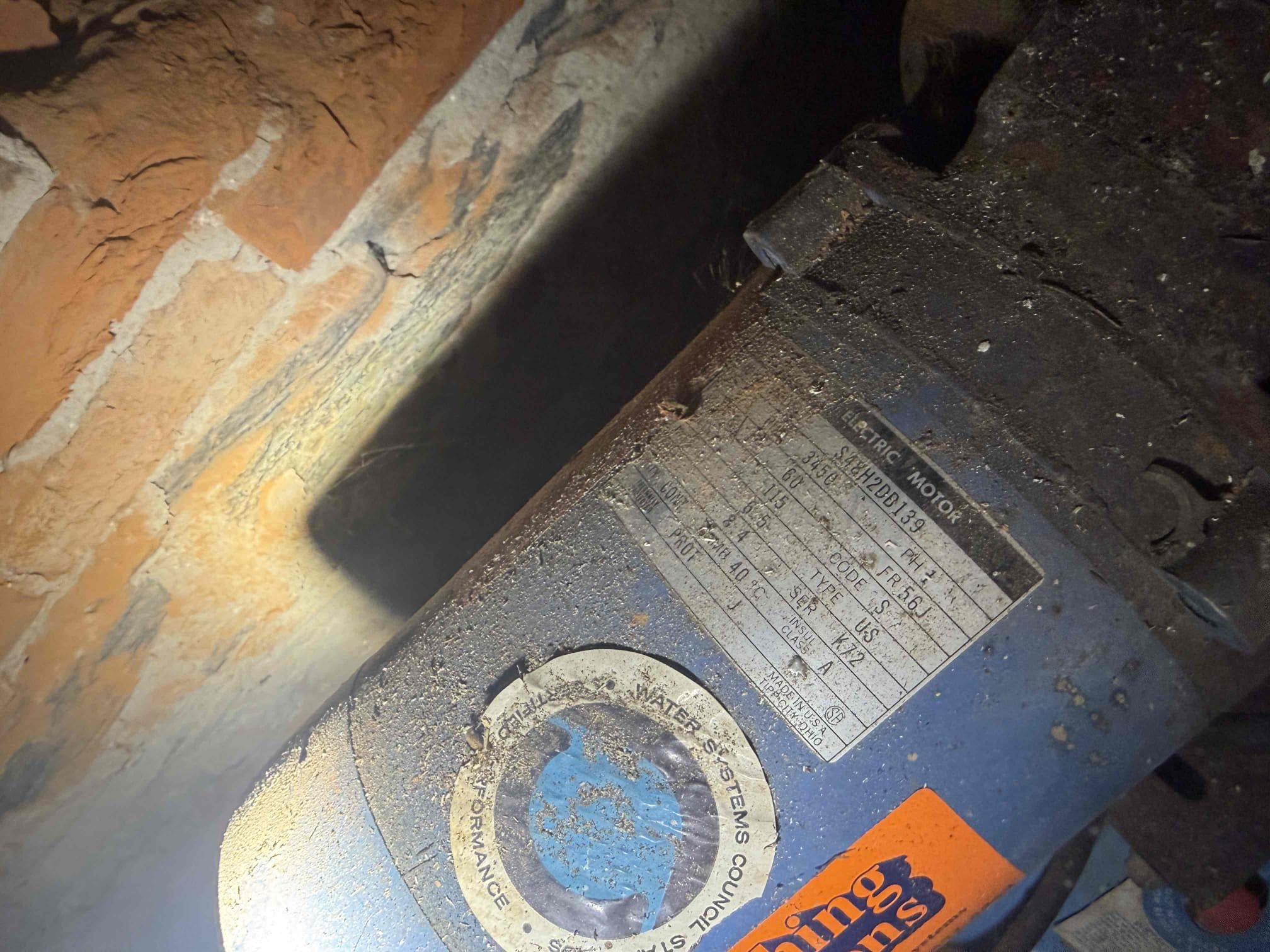
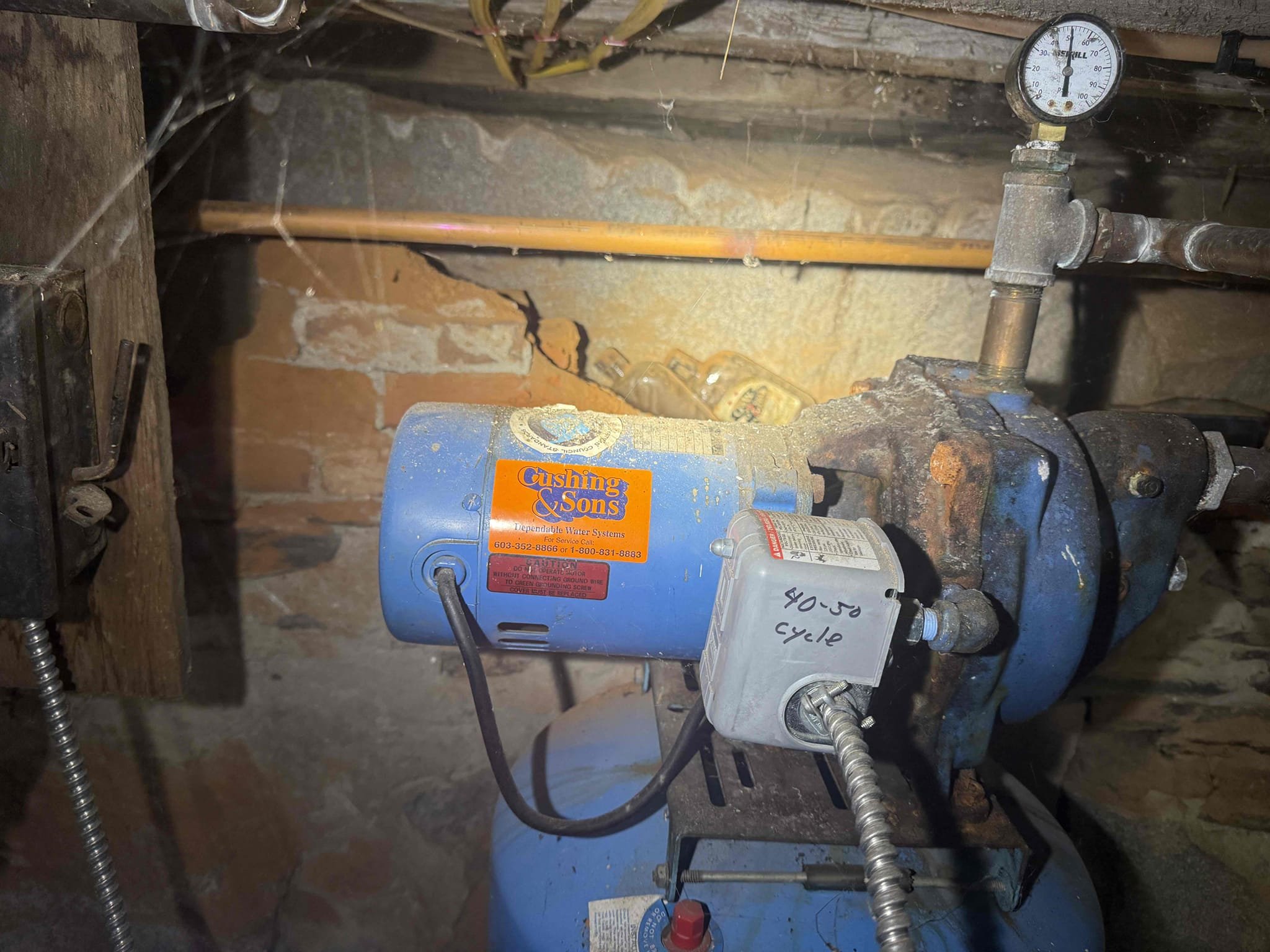
I responded to a call regarding a loud noise during furnace operation. Upon arrival, I traced the noise to the burner motor. After confirming that the motor was the source of the issue and receiving approval, I replaced the burner motor. During the inspection, I also found that the oil tank level gauge had failed, and with approval, I replaced that as well. The furnace had not been cleaned since 2023, so I recommended a maintenance service and proceeded with a full annual cleaning. I performed annual maintenance on the Spirit oil furnace by replacing the nozzle, oil filter, and pump strainer. I brushed and vacuumed the heat exchanger and flue pipe, noting excessive rust and debris throughout both areas. I sealed the flue connection with furnace cement and sealed the clean-out cover with high-temperature silicone. I verified that there was no contamination between the supply air and the products of combustion. All system safeties and burner components were tested and confirmed to be op
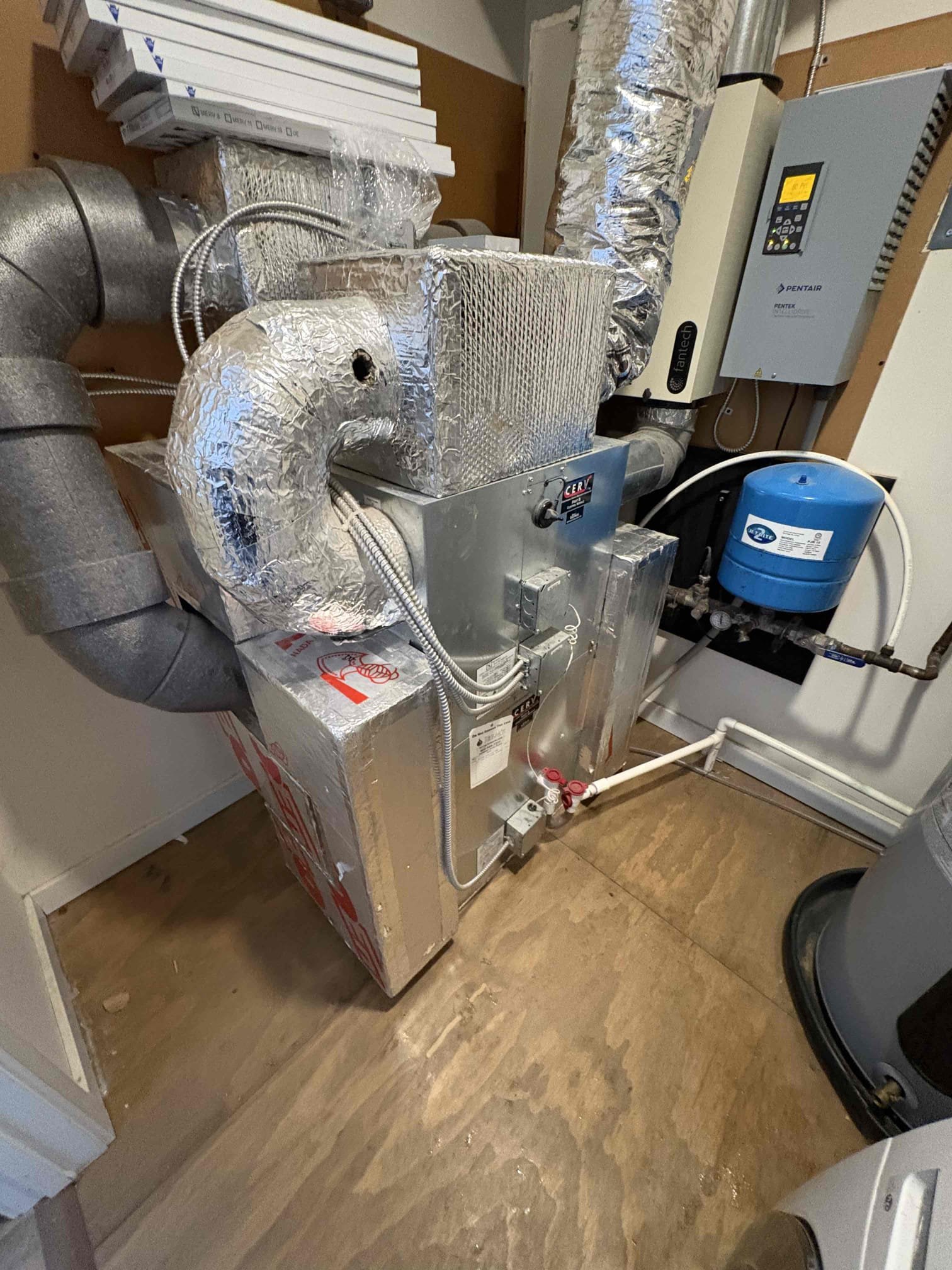
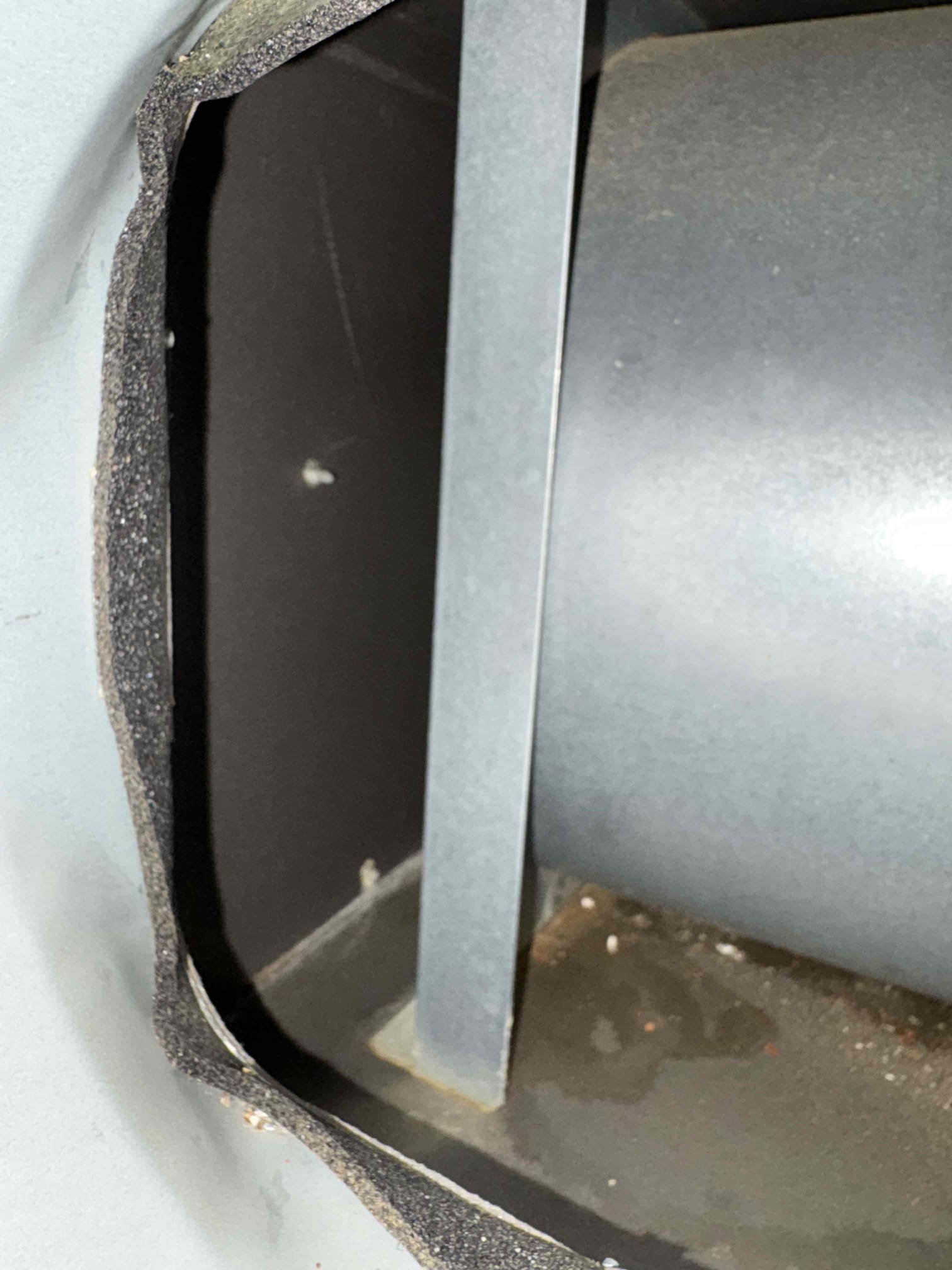
Performed an inspection of the CERV air exchange system. Removed all supply and return duct connections from the unit, then vacuumed and brushed all dust and debris from the interior of the duct connections and the unit. Visually inspected the coil; it is very clean and appears to be in good condition. Tested all electrical components and verified proper amp draw for both the supply and return fans. Confirmed the condensate is draining properly and installed a condensate cleaning tablet in the drain pan. Inspected and confirmed that clean filters are in place. Reassembled the system, restored operation, and confirmed proper performance of the unit.
Looked at replacing oil furnace and electric water heater